
 English
 Español
 عربى
عربىContent
- 1 White Paper Disposable Cups: The Industry Standard Explained
- 2 Paper Cup Sizes: 8 oz, 12 oz, and the Full Range
- 3 Coffee and Hot Chocolate Paper Cups: What Makes a Good Hot Beverage Cup
- 4 Insulated Paper Cups with Lids: Construction and Performance
- 5 Are Paper Cups Microwave Safe?
- 6 Branded and Custom Paper Cups: Coca-Cola, Promotional, and Custom Print
White Paper Disposable Cups: The Industry Standard Explained
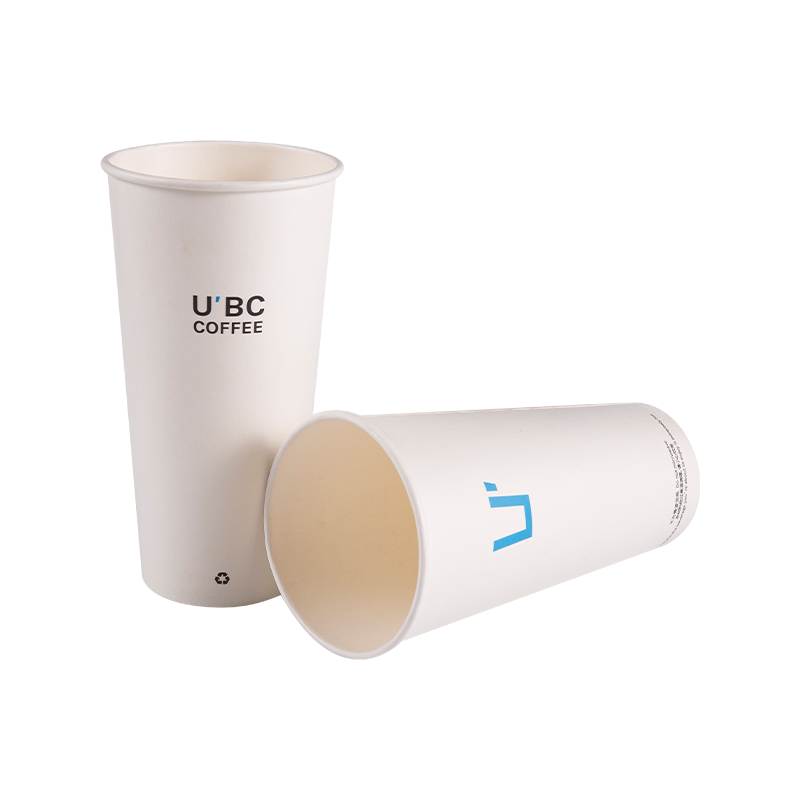
White paper disposable cups are the dominant format in the global hot beverage service market — used in coffee shops, quick-service restaurants, offices, hospitals, convenience stores, and vending operations worldwide. The white finish is not simply aesthetic: it results from bleached food-grade paperboard (typically 200–350 gsm weight depending on cup size and application) that provides a neutral, clean background for printing, a consistent surface for food-safe coatings, and a controlled fiber structure that maintains wall integrity when holding hot liquids.
The standard construction of a white coffee paper cup is a paperboard outer wall coated on the interior with a thin layer of polyethylene (PE) — typically 15–20 gsm — that creates a moisture barrier preventing the paper from absorbing liquid, softening, and failing. The PE coating also prevents flavor contamination between the beverage and the paperboard fiber. In single-wall cups, this is the entire construction; in double-wall and ripple-wall cups, a second paper layer provides insulation without requiring a sleeve.
The global disposable paper cup market was valued at approximately $12.8 billion USD in 2023, growing at a 4.2% CAGR through 2030. Growth is driven by the continued expansion of coffee culture globally, the on-the-go consumption trend, and the gradual replacement of single-use plastic cups with paper alternatives under regulatory frameworks in the EU, UK, and increasingly in North America and Asia-Pacific.
Paper Cup Sizes: 8 oz, 12 oz, and the Full Range
Paper cup sizing follows a standardized fluid ounce scale that maps to the beverage portions served across different service contexts. Size selection is not arbitrary — the correct cup size for a given application determines whether lids fit, whether sleeves are compatible, and whether the cup maintains structural integrity with the volume and temperature of liquid it will hold.
8 oz Paper Cup
The paper cup 8 oz is the standard small hot beverage size — used for single espresso drinks, small drip coffee, hot chocolate, and tea in café and food service settings. At 240 ml nominal capacity, the 8 oz cup has a top rim diameter of approximately 80 mm (3.1 inches) and a base diameter of around 58 mm. It is the most commonly used size in office coffee machines and vending equipment, where the smaller portion size reduces per-cup cost and limits spill volume. The 8 oz format is also the most structurally robust relative to its size — its lower height and smaller diameter make it less susceptible to side-wall buckling under hand pressure than taller, larger formats.
12 oz Paper Cup
The 12 oz paper cup (355 ml) is the most widely purchased single hot beverage cup size in the North American market and the standard "medium" size across most coffee chains. It accommodates a standard 12 oz drip coffee, a medium latte or cappuccino, or a standard serving of paper hot chocolate cups format. The 12 oz cup top rim diameter is typically 90 mm (3.5 inches), which is the most common lid diameter in commercial supply chains — meaning 12 oz lids are the easiest to source and the most widely available in recycled content, compostable, and flat-lid formats. Paper cups 12 oz are the default specification for most café and restaurant operators balancing portion size, cost, and lid compatibility.
Other Common Sizes
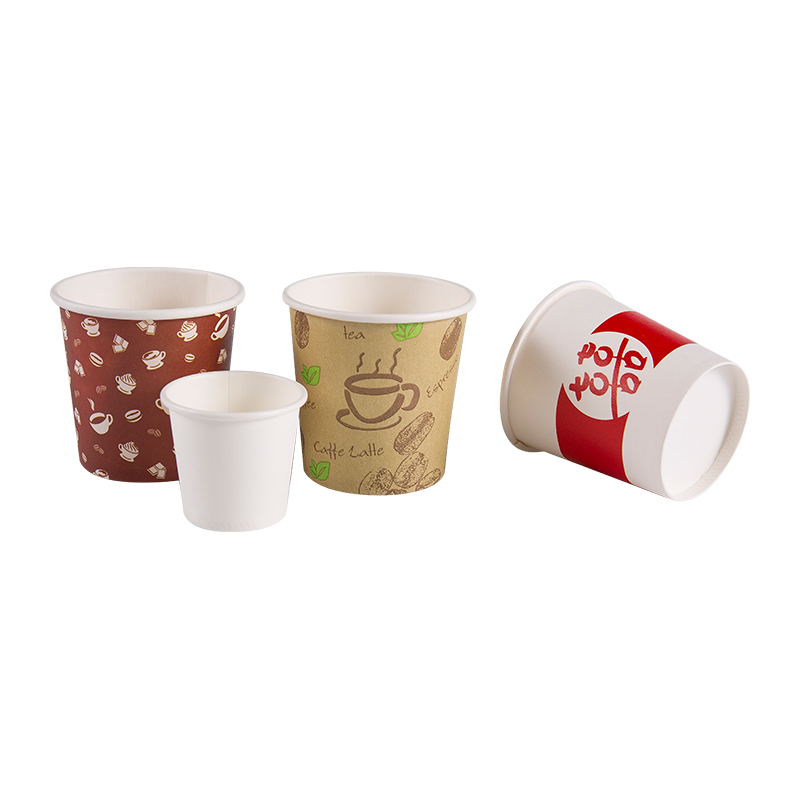
Beyond 8 oz and 12 oz, the standard hot cup size range includes 4 oz (espresso/sample size), 10 oz (a less common intermediate between small and medium), 16 oz (large, the most common "large coffee" size at US chains), 20 oz (extra-large), and 24 oz (used in specialty hot drinks and soup applications). Cold drink paper cups follow a separate size range with wider base diameters to accommodate ice volume and typically require separate lids from hot cup equivalents. Operators should confirm lid compatibility across their entire cup range before placing large orders — mixing cup sizes from different manufacturers with different rim taper angles is a common source of lid fit problems in service.
| Cup Size | Volume (ml) | Typical Rim Ø | Common Applications |
|---|---|---|---|
| 4 oz | 120 ml | 62 mm | Espresso, tasting samples, condiments |
| 8 oz | 240 ml | 80 mm | Small coffee, tea, vending machines |
| 12 oz | 355 ml | 90 mm | Medium coffee, hot chocolate, café standard |
| 16 oz | 475 ml | 90 mm | Large coffee, lattes, meal deals |
| 20 oz | 590 ml | 90 mm | Extra-large, travel mugs, specialty drinks |
Coffee and Hot Chocolate Paper Cups: What Makes a Good Hot Beverage Cup
A paper cup of coffee or hot chocolate places specific demands on the cup construction that cold beverage cups do not. Liquid temperature at service is typically 75–85°C for coffee and 65–75°C for hot cocoa paper cups — temperatures that challenge the structural integrity of the paperboard, the adhesion of the PE coating, and the comfort of the person holding the cup.
The key performance characteristics that differentiate a quality hot cup from a commodity one are wall rigidity under thermal load (the cup should not feel soft or distort when filled with hot liquid), seam integrity (the vertical seam and the base seam must remain leak-proof at full temperature), and the quality of the PE or PLA coating bond to the paperboard (delamination under heat allows liquid to wick into the wall, creating structural weakness and potential leakage).
Coffee in a paper cup also interacts chemically with the cup to a minor degree — the PE lining is selected specifically to be flavor-neutral and food-safe, but lower-quality linings with off-specification PE or insufficient coating weight can impart a slight plastic or cardboard taste, particularly in lighter-roast coffees that have less competing flavor intensity to mask it. Specialty coffee operators and quality-conscious brands routinely test their cups for flavor neutrality alongside structural performance.
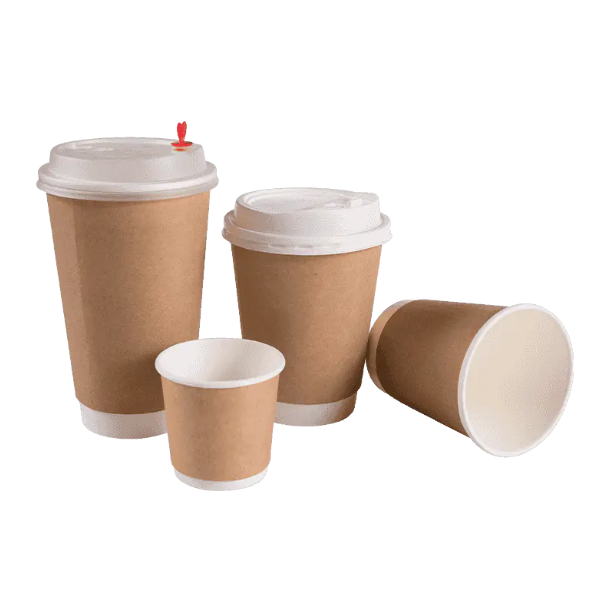
Insulated Paper Cups with Lids: Construction and Performance
Insulated paper cups with lids combine thermal retention (keeping the beverage hot longer) with hand comfort (reducing the heat transferred to the fingers) in a single cup format, eliminating the need for a separate sleeve in most service contexts. Three main insulation constructions are in common commercial use.
Double-Wall Paper Cups
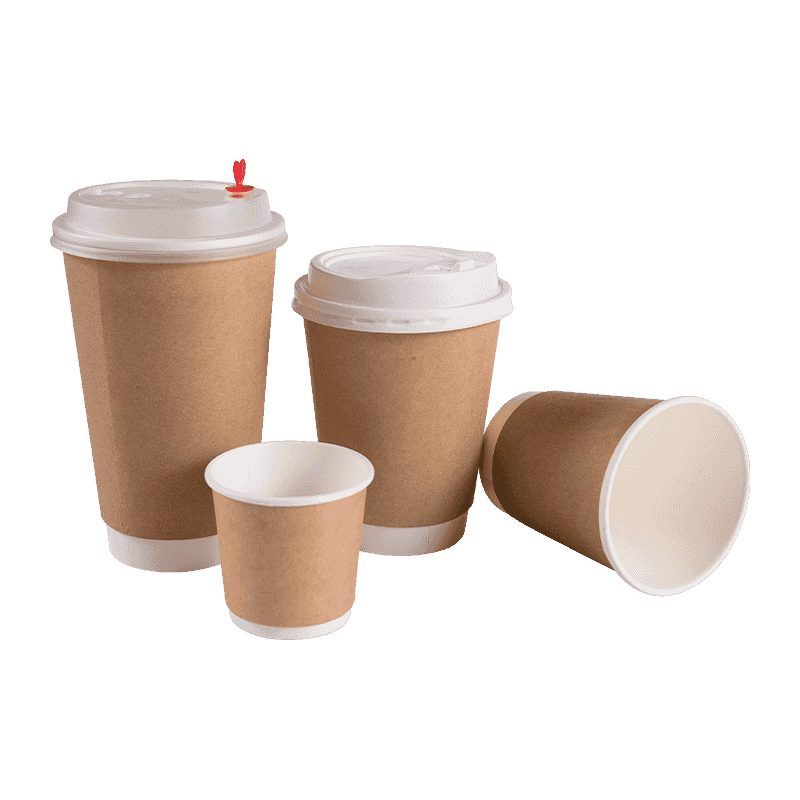
Double-wall cups use two layers of paperboard with a small air gap between them, created by the geometry of the outer wall wrapping around the inner cup. The air gap provides meaningful thermal resistance — studies by cup manufacturers show double-wall cups retain beverage temperature approximately 25–35% longer than equivalent single-wall cups — and keeps the outer wall temperature low enough to hold comfortably without a sleeve. Double-wall construction adds approximately 15–25% to the per-cup cost versus single-wall equivalents.
Ripple-Wall (Corrugated) Paper Cups
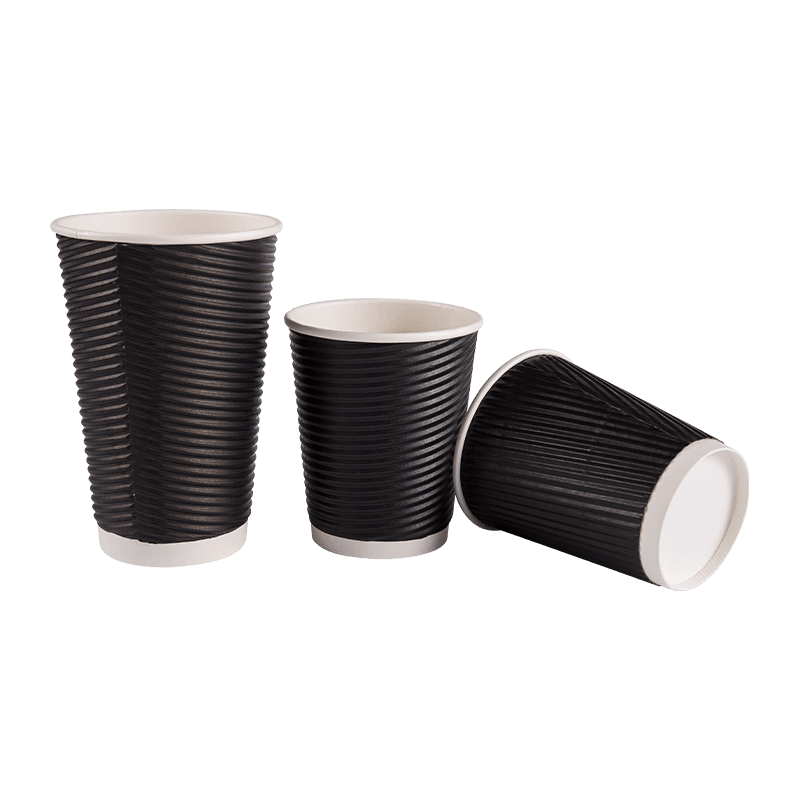
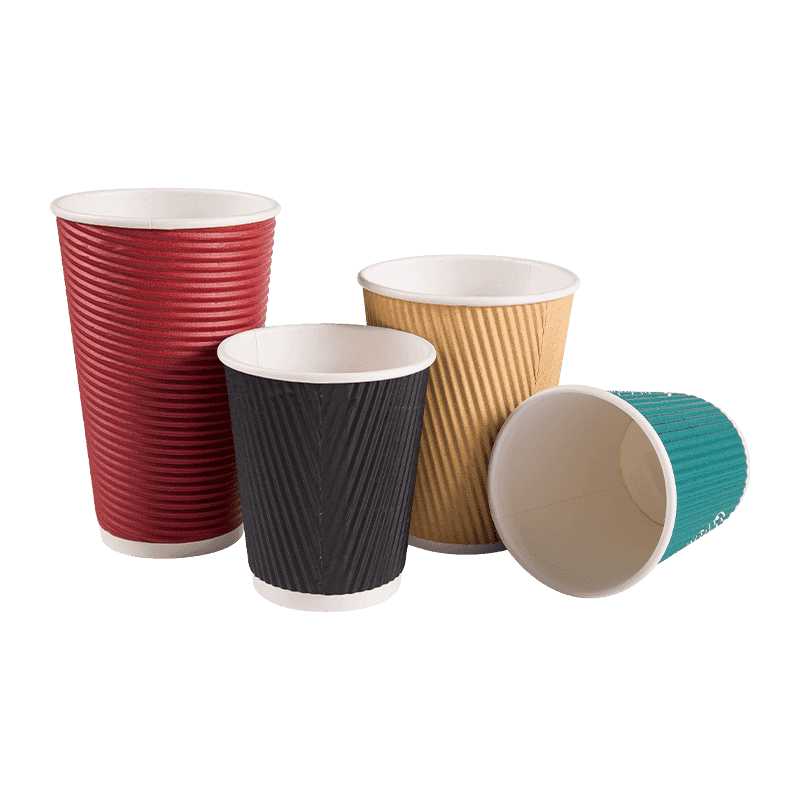
Ripple-wall cups have a corrugated outer paper layer bonded to the inner cup wall, creating a textured exterior that insulates through its air-filled corrugation channels and also provides a non-slip grip surface. Ripple cups are slightly less thermally efficient than air-gap double-wall construction but are often preferred for their tactile quality and the distinctive premium aesthetic they communicate — which is why they are the dominant format in specialty coffee shops and premium casual dining.
Lids for Hot Paper Cups
Coffee paper cups with lids require lids that seal reliably at the rim, allow controlled drinking without spilling, and fit the specific cup's rim diameter and taper. The three main lid formats for hot cups are the dome lid (for drinks with foam or whipped cream topping), the travel lid with a drink-through tab or opening, and the flat sip lid — a newer format popularized by Starbucks that removes the plastic dome and provides a contoured sipable rim that reduces the amount of plastic material used per cup. Lid material options include standard PETE plastic, compostable PLA (polylactic acid, made from corn starch), and paperboard lids — the latter being the emerging sustainability choice as regulations on single-use plastics tighten in Europe and the UK.
Are Paper Cups Microwave Safe?
Whether paper cups are microwave safe is one of the most common consumer questions about disposable cups, and the answer depends on the specific cup construction — not on paper cups as a category.
Standard single-wall paper cups with a conventional polyethylene interior coating are generally not recommended for microwave use. The reasons are twofold. First, the PE lining can soften at the temperatures reached during microwave heating — particularly if the cup is heated for longer than 1–2 minutes or if the liquid boils locally near the wall — potentially causing the lining to delaminate from the paperboard and contaminate the beverage. Second, the seams of standard paper cups use a heat-seal adhesive that is designed for the manufacturing process, not for the cyclic thermal and steam stress of microwave reheating. Weakened seams can leak.
Cups specifically labeled microwave safe paper cups use either a microwave-grade PLA or PE coating that remains stable at higher temperatures, reinforced seam construction, or paperboard grades that resist moisture penetration during the steam cycle of microwave heating. These cups are certified under FDA 21 CFR regulations for microwave use and will carry explicit microwave-safe labeling. If a paper cup does not carry microwave-safe labeling, the safest practice is to transfer the beverage to a ceramic mug before reheating.
A practical note: placing any paper cup with a metal-printed logo, metallic ink decoration, or foil element in a microwave creates an immediate arcing risk. Branded cups with metallic inks — including some promotional cups — should never be microwaved regardless of any other labeling.
Branded and Custom Paper Cups: Coca-Cola, Promotional, and Custom Print
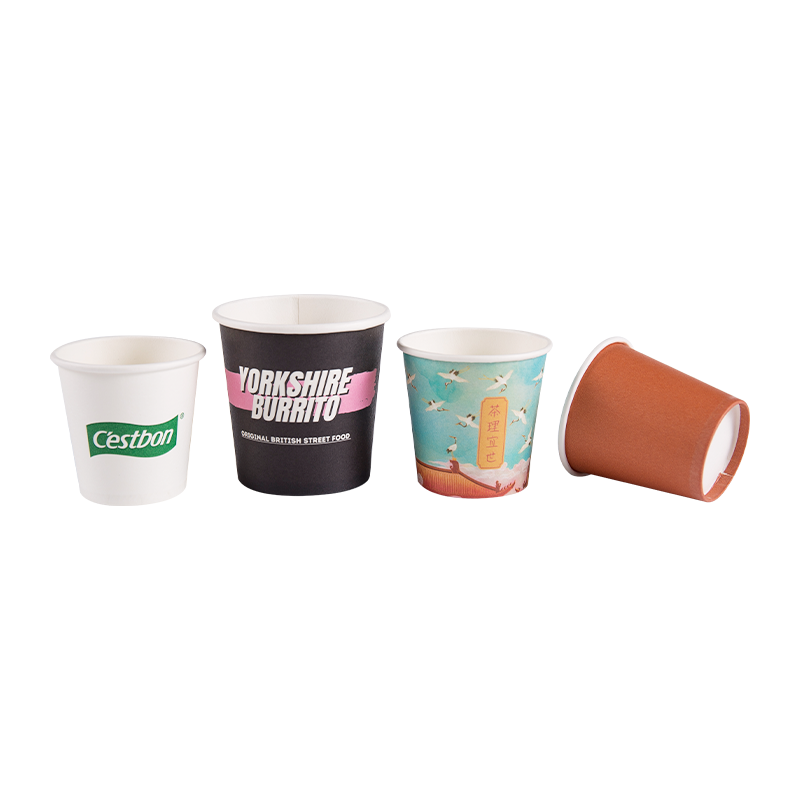
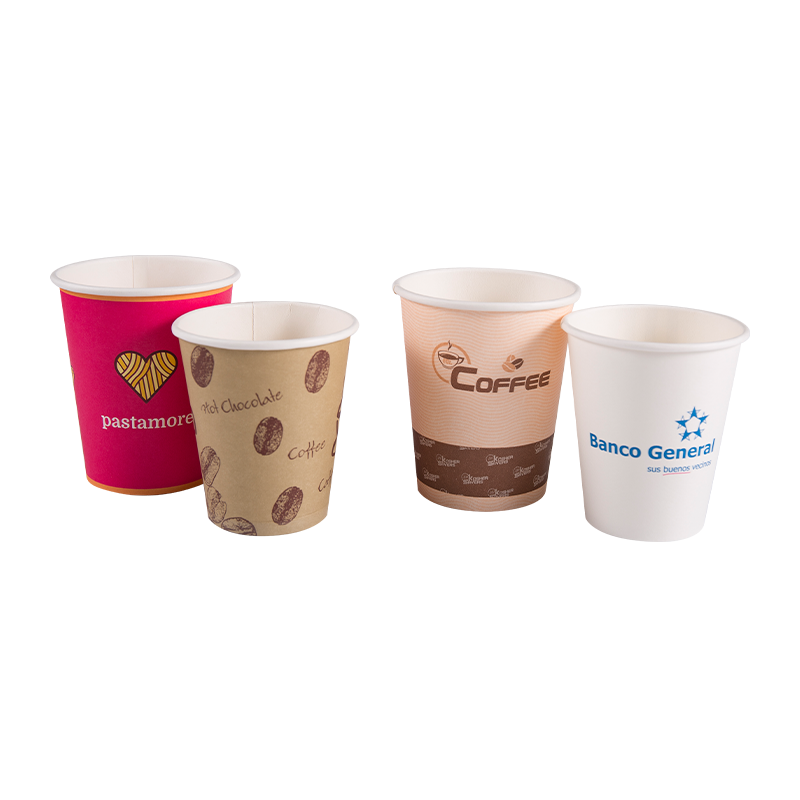
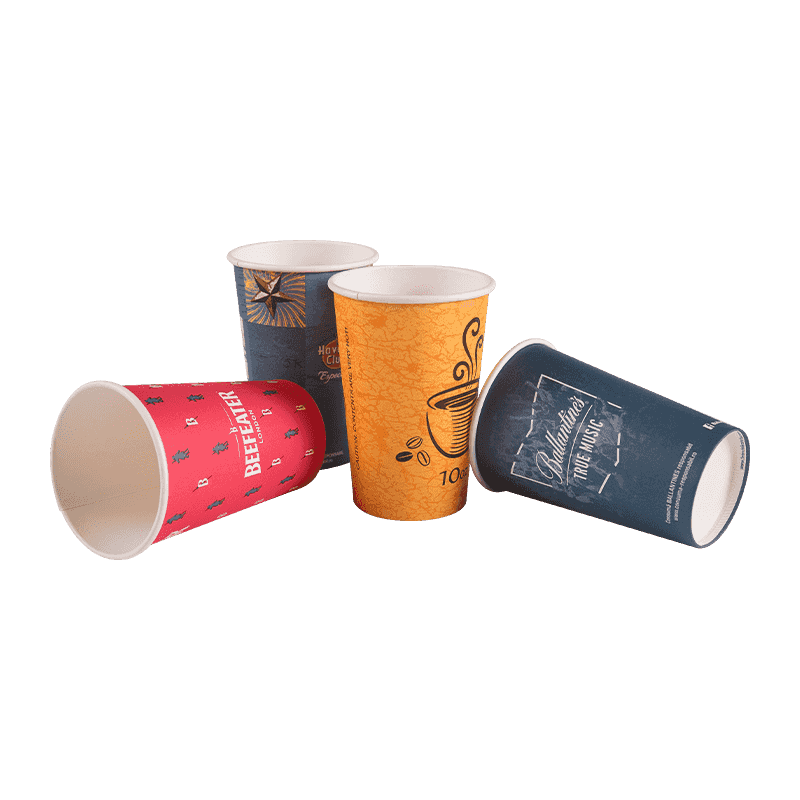
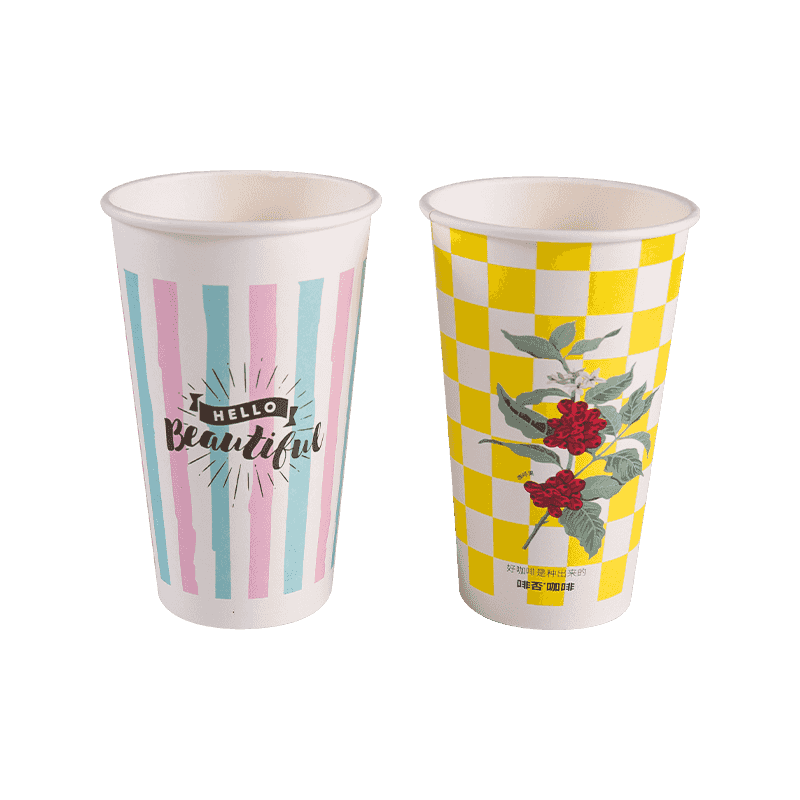
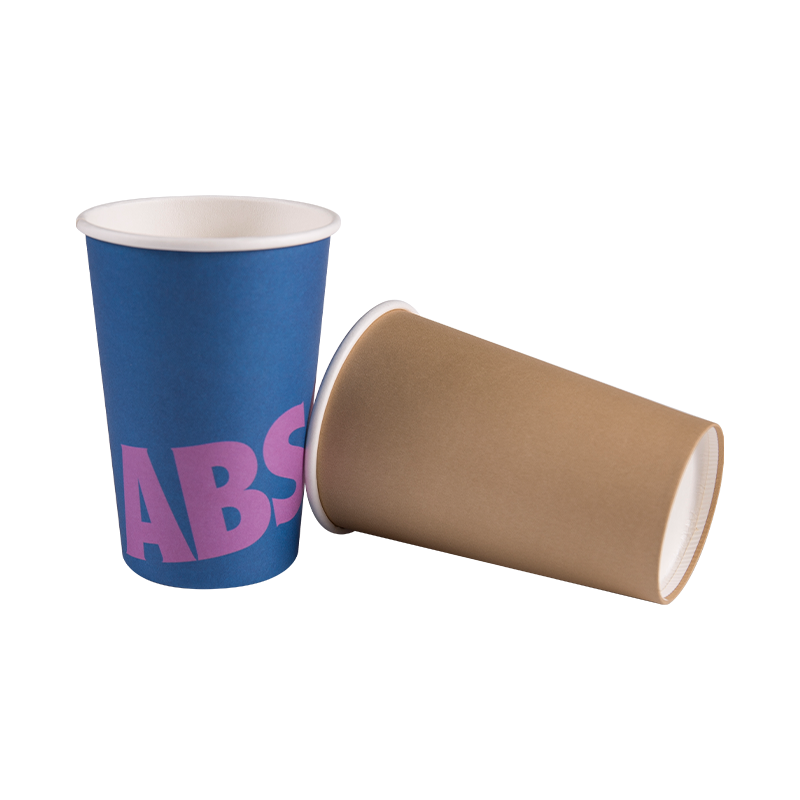
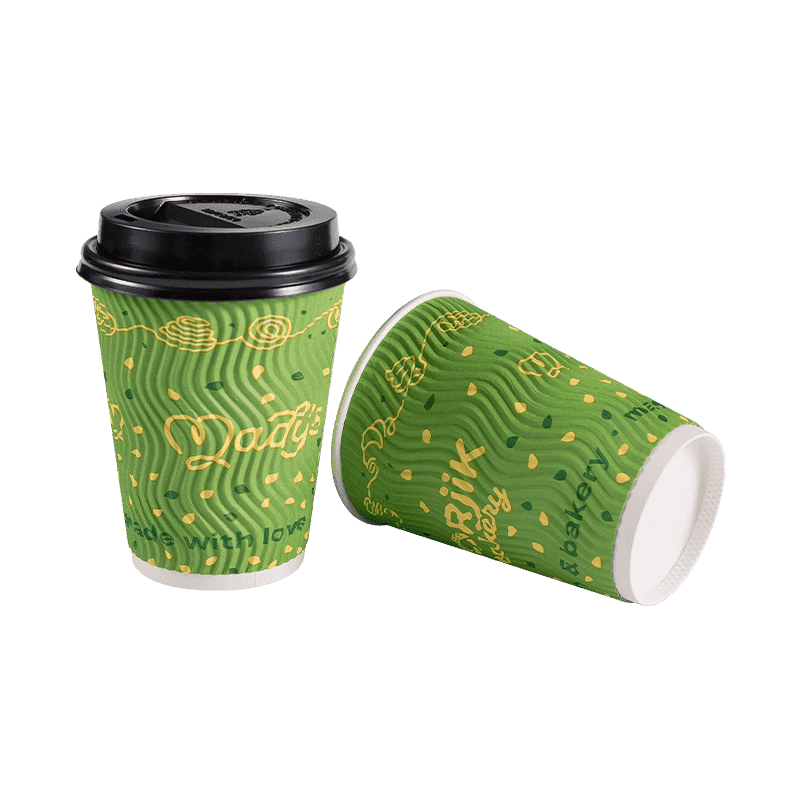
Branded paper cups — from the ubiquitous Coca-Cola paper cups at fountain drink stations to custom-printed café cups — are one of the highest-volume print applications in the food service packaging industry. The outer surface of a paper cup is a continuous printing canvas, and modern flexographic and offset printing on cupstock paper allows full-color photographic imagery, metallics, spot varnishes, and matte/gloss contrast finishes at production volumes that make per-cup print cost negligible.
Coca-Cola cups used in fast food and fountain service are a specific format: typically a wax-coated or PE-coated cold cup in the brand's standard red palette, sized for fountain service portions (12 oz, 16 oz, 21 oz, 32 oz), and supplied to QSR operators under Coca-Cola's licensed cup program. These cups are cold-service only — the wax or PE coating optimized for cold drink and ice contact, not hot beverage service.
For independent operators and smaller chains, custom-printed paper cups are available from minimum order quantities as low as 1,000 units from specialist suppliers, with digital printing enabling short-run personalization. Seasonal cup designs, limited-edition collaborations, and event-specific printing are increasingly used by coffee brands as a marketing tool — a trend that has turned the paper cup into a social media object as much as a functional container. The "red cup season" marketing phenomenon at major coffee chains demonstrates how a commodity paper cup, through consistent seasonal branding, can generate consumer anticipation and media coverage worth many times the cost of the print program.
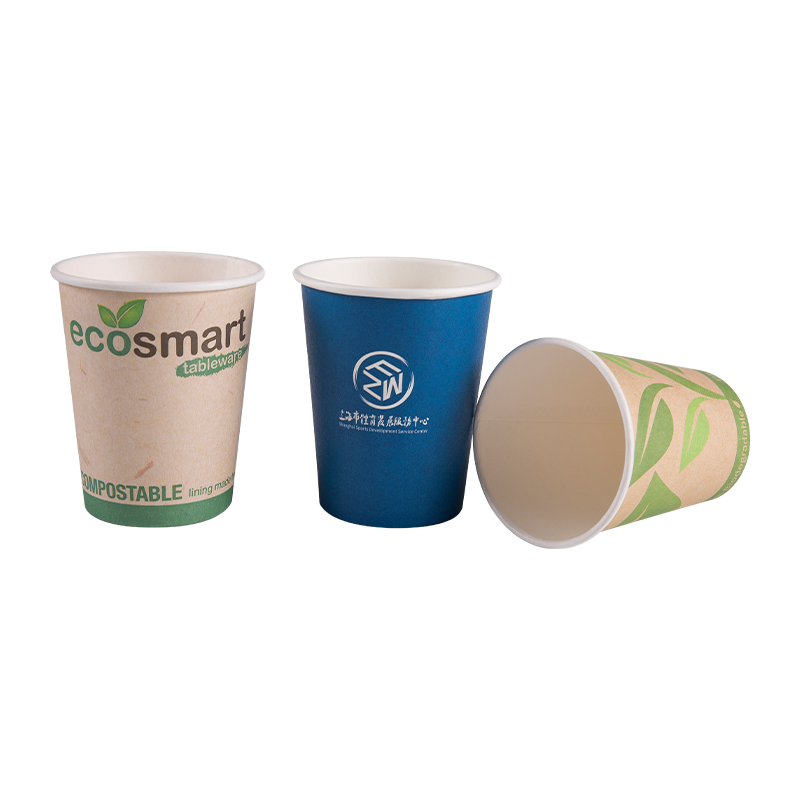
Sustainability credentials are increasingly part of the branded cup specification: FSC-certified paperboard, compostable PLA linings replacing PE, and cup-to-cup recycling programs are all being adopted by major chains as brand differentiators in markets where environmental responsibility influences consumer choice. The transition from PE to PLA lining is technically straightforward but operationally complex — PLA-lined cups require industrial composting infrastructure to biodegrade within their certified timeframe, and consumer confusion about whether to recycle or compost them has become a recognized challenge in sustainable packaging rollouts.

 +86-0563-8029081
 +86-0563-8029081
 No. 12 Sanxi Road, Xinqiao Development Zone, Jingde Country, Xuancheng City, Anhui Province.