
 English
 Español
 عربى
عربىContent
What Are Ripple Wall Coffee Cups?
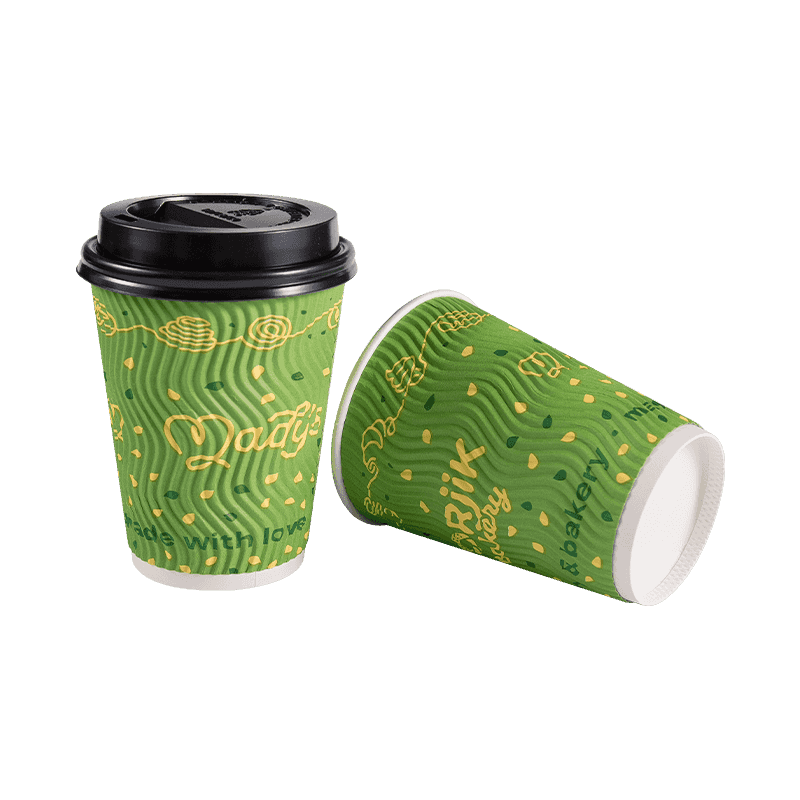
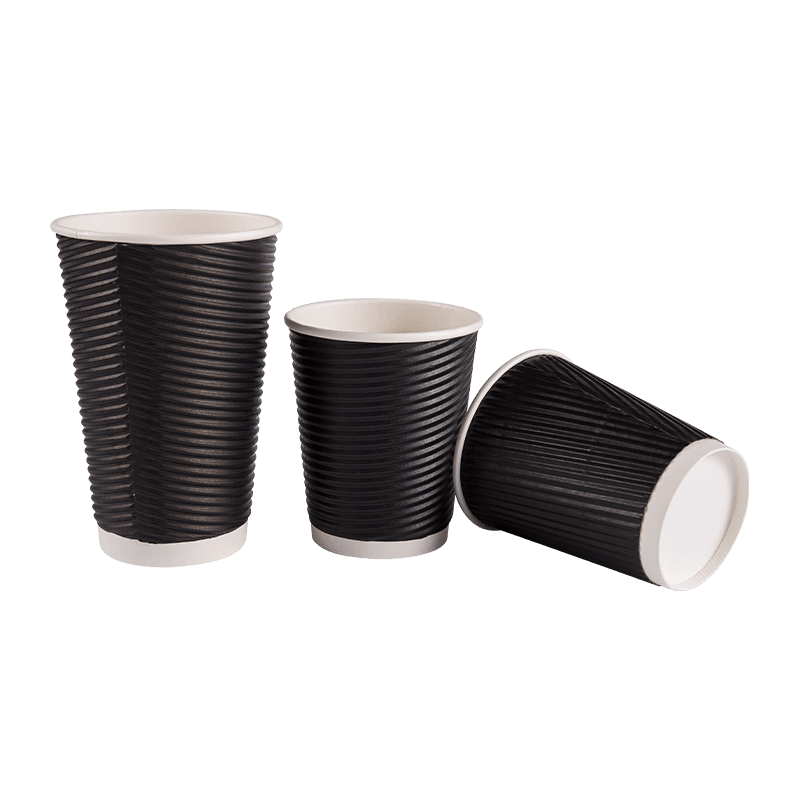
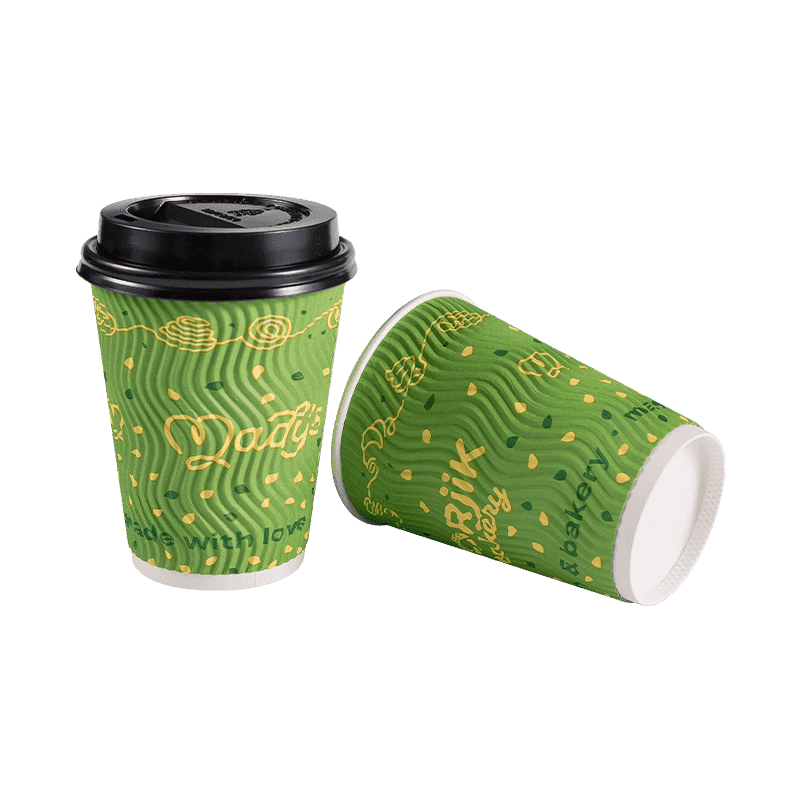
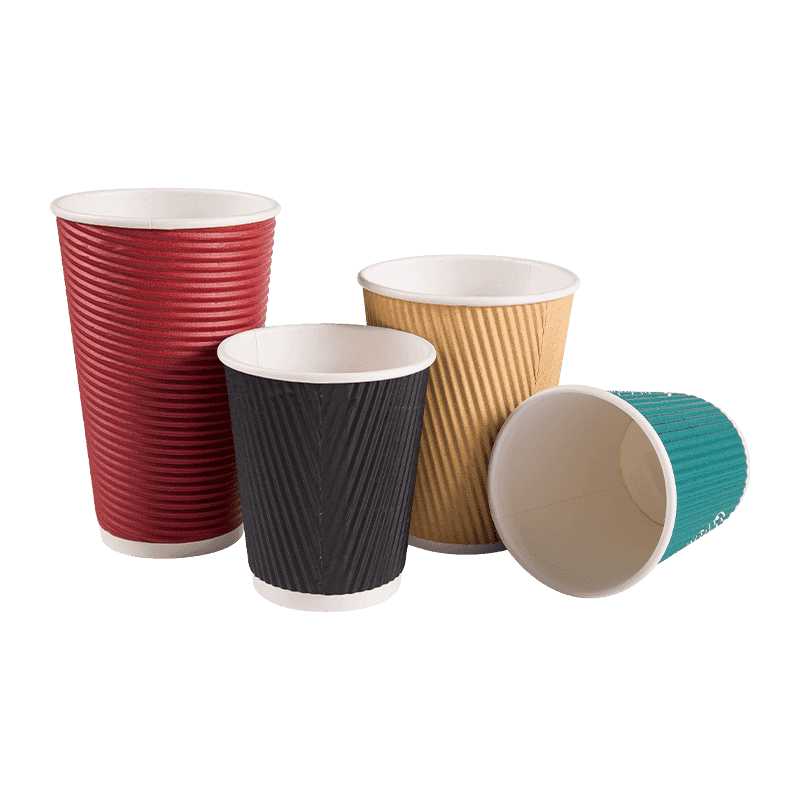
Ripple wall coffee cups are single-use paper cups engineered with a three-layer construction: an outer corrugated or embossed ripple sleeve fused directly to a smooth inner liner. That textured outer wall creates a series of air pockets that act as a thermal buffer between the hot liquid inside and the person holding the cup — no separate sleeve needed.
Unlike single-wall cups, which rely entirely on a thin paper layer, or double-wall cups, which bond two flat paper layers together, ripple wall cups derive their insulation from the raised ridges themselves. The ridges run vertically or in a wave pattern and are heat-bonded to the inner wall during manufacture, keeping the two surfaces separated by a consistent air gap. This structure is why ripple cups are also commonly marketed as insulated paper cups — the insulation is structural, not a secondary add-on.
Visually, the corrugated surface also provides a natural non-slip grip, reducing the need for customers to double-cup or reach for a cardboard carrier. This makes them a preferred format in high-volume café environments where counter speed and customer comfort both matter.
Benefits of Ripple Wall Coffee Cups
The primary advantage of ripple wall cups is superior heat retention without the added cost of a sleeve. A standard single-wall cup surface can exceed 70°C when filled with a typical espresso-based drink, making it uncomfortable or unsafe to hold bare-handed. Ripple wall construction reduces the outer surface temperature significantly — independent tests regularly show outer-wall temperatures 20–30°C lower than the contents, keeping the cup safe and comfortable to hold throughout the drink's lifespan.
Beyond thermal performance, ripple cups offer several operational benefits:
- Sleeve elimination: Removing the separate corrugated sleeve reduces packaging cost per serve and simplifies counter setup.
- Branding surface: The outer ripple layer provides a premium tactile feel and a printable area suited to full-wrap branding, making cups a visible extension of café identity.
- Structural rigidity: The layered construction resists crushing under grip pressure, reducing spill incidents during hand-off.
- Condensation resistance: The insulated outer wall stays drier than a single-wall cup, which matters for iced drinks where sweating is a common complaint.
For cafés selling specialty coffee at premium price points, the tactile quality of a ripple cup also signals product value — a detail that contributes to perceived brand quality more than a plain cup ever could.
Paper Cup Sizes: 8oz vs 12oz Explained
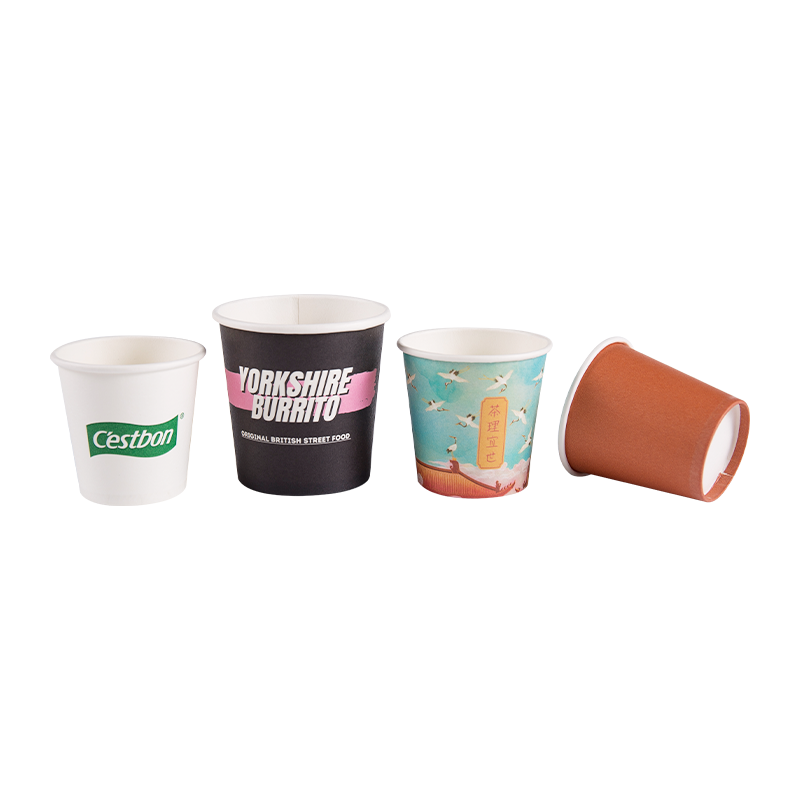
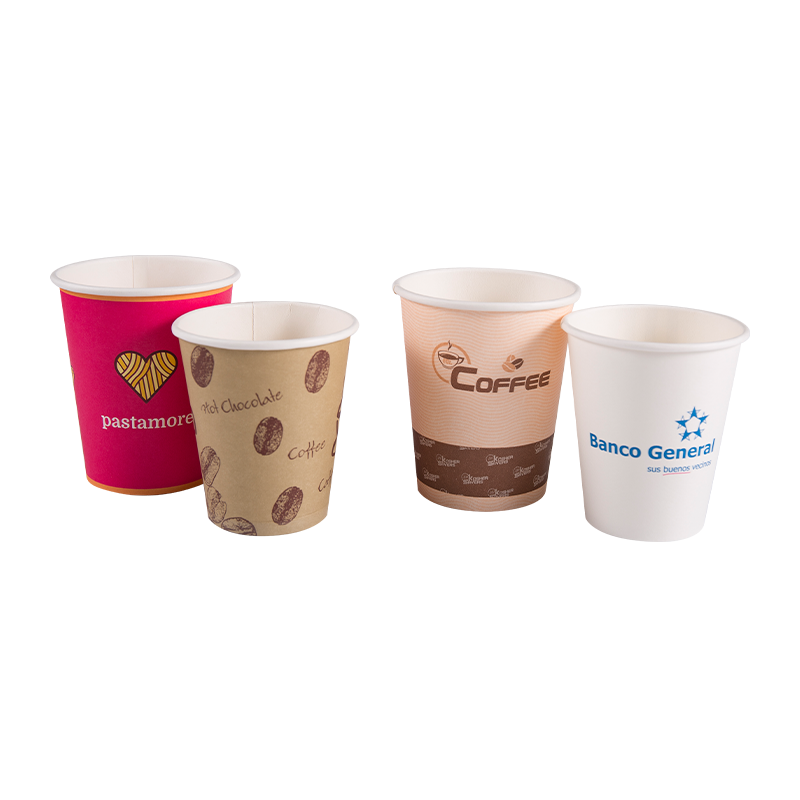
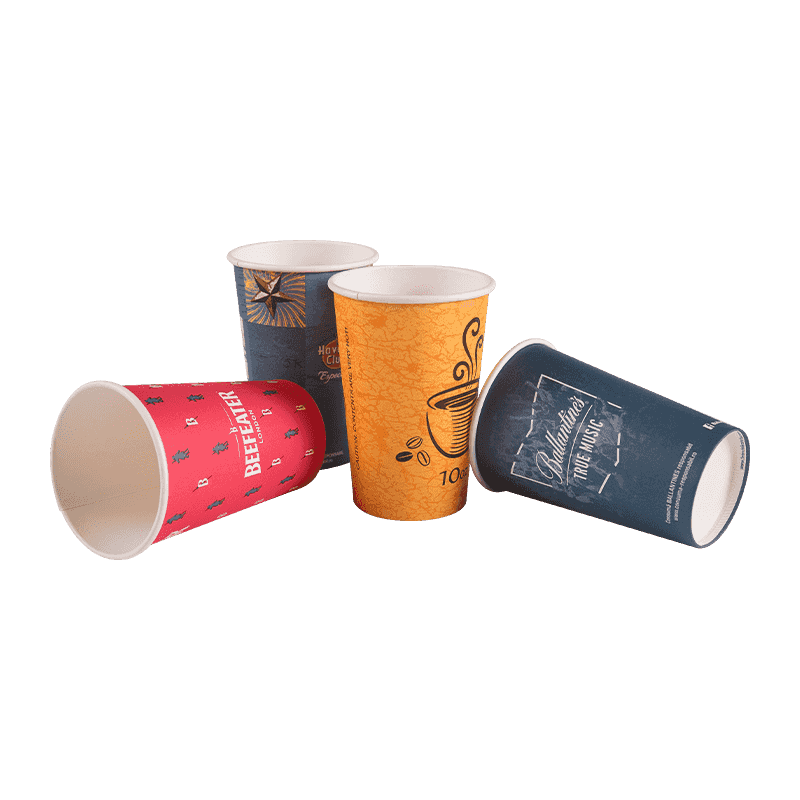
Paper cup sizing follows volume-based conventions that align closely with standard drink recipes, but the physical dimensions vary between manufacturers. Understanding the two most common sizes — 8oz and 12oz — helps operators match cup to drink format precisely.
8oz Coffee Cups
The 8oz format is the default for short and standard espresso drinks: flat whites, cortados, small lattes, and Americanos. At roughly 240ml, it accommodates a double espresso shot (60ml) with milk or water to fill the remainder, producing a concentrated, flavour-forward drink. Specialty coffee shops often standardise on 8oz for milk-based drinks because it keeps the espresso-to-milk ratio tight. The smaller cup also means less heat loss over time, so the drink stays at optimal temperature longer relative to a larger format.
12oz Coffee Cups
At approximately 360ml, the 12oz cup is the most universally stocked size in commercial café operations. It covers standard lattes, cappuccinos, and medium filter coffees — the drinks that make up the majority of sales volume in most venues. The 12oz format also provides enough headroom for extra shots, flavour syrups, and latte art without risk of overflow, giving baristas flexibility during service. For takeaway operations, 12oz cups with secure lids are the single highest-volume consumable in most café supply orders.
| Size | Volume | Best For | Typical Use Case |
|---|---|---|---|
| 8oz | ~240ml | Flat white, cortado, small latte | Specialty coffee, concentrated drinks |
| 12oz | ~360ml | Latte, cappuccino, filter coffee | High-volume café takeaway, standard orders |
| 16oz | ~480ml | Large latte, iced drinks, tea | Chain cafés, convenience formats |
Hot Drink Paper Cups vs Other Paper Cup Types
Not all paper cups are interchangeable. The lining chemistry, wall construction, and structural design differ significantly between cup types, and using the wrong cup for a given application causes functional failure — leaking, deformation, or inadequate insulation.
Hot drink paper cups — including single-wall, double-wall, and ripple wall variants — are lined with food-grade polyethylene (PE) or PLA (polylactic acid) coating on the inner surface. This lining creates the liquid barrier that prevents hot liquid from saturating the paper wall and collapsing the cup. PE-lined cups are the conventional standard; PLA-lined cups use a plant-derived polymer that is home or industrially compostable under specific conditions.
The main paper cup categories used in foodservice:
- Single-wall cups: Economical, lightweight, suitable for cold drinks or as an inner liner for sleeved service. Poor insulation for unsleeved hot drinks.
- Double-wall cups: Two flat paper layers bonded together with a trapped air layer. Better insulation than single-wall; smoother outer surface than ripple.
- Ripple wall cups: Corrugated outer layer fused to a smooth inner liner. Best tactile grip and competitive insulation; slightly higher cost per unit than double-wall.
- Cold drink cups: Typically single-wall with a moisture-resistant outer coating designed for condensation, not heat retention. Not suitable for hot liquids above 70°C.
For venues serving exclusively hot drinks, ripple wall and double-wall formats are the two dominant choices. The decision between them typically comes down to budget, branding requirements, and whether a premium tactile experience is important to the outlet's positioning.
Sustainable Coffee Cups: What to Look For
The sustainability of a disposable coffee cup is determined by three factors: the materials used in the liner, the recyclability of the paper board, and whether the supply chain supports credible end-of-life processing. Most conventional paper cups are not recyclable through standard kerbside paper streams because the PE inner lining cannot be separated from the paper fibre in a standard paper mill. This is why purpose-built coffee cup recycling programmes exist separately in many markets.
The most meaningful sustainability claims in the current cup market:
- PLA-lined cups: Replace the PE coating with a plant-based polymer derived from corn starch or sugarcane. Certified industrially compostable (EN 13432 or ASTM D6400) when processed in commercial composting facilities. Not suitable for home composting in most formulations.
- Aqueous-coated cups: Use a water-based barrier instead of plastic film. These cups are accepted by an increasing number of paper recycling streams and are widely considered the most practically recyclable single-use cup format available today.
- FSC-certified board: Ensures the paperboard is sourced from responsibly managed forests. This addresses the raw material side of the lifecycle, not the end-of-life processing question.
- Single-material construction: Cups made entirely from one material type — such as all-paper with aqueous coating — are structurally easier to recycle than multi-layer laminate constructions.
For operators under pressure to reduce single-use plastic in their packaging mix, switching to PLA-lined ripple wall cups paired with a local composting collection point represents one of the more practical near-term options — combining insulation performance with a credible sustainability narrative backed by third-party certification.
Reusable cup incentive programmes remain the highest-impact intervention available to individual venues, but for the percentage of customers who forget or decline reusables, a certified compostable or aqueous-coated disposable cup is the next best option in terms of documented environmental outcome.
 +86-0563-8029081
 +86-0563-8029081
 No. 12 Sanxi Road, Xinqiao Development Zone, Jingde Country, Xuancheng City, Anhui Province.