
 English
 Español
 عربى
عربىIn the dynamic world of food and beverage packaging, the humble cup lid plays a crucial role in functionality, safety, and customer satisfaction. Among the various materials available, PP plastic cup lids (Polypropylene) have emerged as a dominant and preferred choice for brands and manufacturers worldwide. Their widespread adoption is not accidental but is driven by a unique combination of material properties that address core industry needs. From maintaining beverage temperature and preventing spills to ensuring product integrity during transport, PP lids offer a robust solution. This article delves into the specific, concrete benefits of using PP plastic cup lids, exploring why they are particularly suited for modern food packaging demands. We will examine their chemical resistance, sustainability profile, cost-effectiveness, and how they enhance the end-user experience, providing a comprehensive overview for businesses looking to optimize their packaging strategy.
Content
- 1 1. Superior Material Safety and Chemical Resistance
- 2 2. Durability and Functional Design for On-the-Go Lifestyles
- 3 3. Cost-Effectiveness and Supply Chain Efficiency
- 4 4. Environmental Profile and Recyclability
- 5
- 6 5. Enhancing Brand Image and Consumer Experience
- 7 FAQ
- 7.1 Are PP plastic cup lids microwave safe?
- 7.2 Can PP cup lids be recycled? Should they be left on the cup when recycling?
- 7.3 What is the difference between PP lids and PLA (bioplastic) lids?
- 7.4 How do I choose the right size and style of PP lid for my product?
- 7.5 Are there any safety concerns with reusing PP cup lids?
1. Superior Material Safety and Chemical Resistance
The primary concern in food packaging is safety. PP plastic cup lids excel in this regard due to the inherent properties of polypropylene. This thermoplastic polymer is classified as a "food-grade" material, meaning it meets stringent regulatory standards for direct and indirect food contact. Unlike some other plastics, polypropylene is inert and does not leach harmful chemicals or impart odors or tastes to the food or beverage it encapsulates. This is especially critical for hot drinks, acidic beverages like juices, or fatty foods, where material interaction is a risk. The molecular structure of PP provides excellent resistance to a wide range of chemical solvents, bases, and acids, ensuring the lid's integrity and the product's purity are maintained from filling to consumption. This makes them ideal for dairy product packaging lids, where fat content is high, and for juice and smoothie cup lids, which are often acidic. The safety profile extends to manufacturing as well, as PP can withstand high-temperature sterilization processes without degrading.
- Non-Toxic and BPA-Free: PP is inherently free from Bisphenol A (BPA) and other concerning plasticizers, making it a trusted choice for health-conscious consumers and brands.
- High Heat Tolerance: PP lids can typically withstand temperatures up to 135°C (275°F), making them microwave-safe and suitable for hot-fill applications without warping or melting.
- Barrier Properties: They act as an effective barrier against moisture and vapors, preventing the beverage from drying out or absorbing external odors.
Comparison of PP with Other Common Lid Materials
To understand the advantage of PP's chemical resistance, it's helpful to compare it with other materials occasionally used for lids, such as Polystyrene (PS) and Polyethylene Terephthalate (PET).
| Material | Chemical Resistance (Acids/Oils) | Heat Resistance | Clarity | Typical Use Case |
| Polypropylene (PP) | Excellent | High (Microwave-safe) | Translucent to Opaque | Hot drinks, dairy, juices, oily foods |
| Polystyrene (PS) | Poor (can be attacked by oils) | Low (can warp with heat) | High Clarity | Cold drinks, dry foods |
| Polyethylene Terephthalate (PET) | Good | Moderate (not for high heat) | High Clarity | Cold beverages, ready-to-eat meals |
2. Durability and Functional Design for On-the-Go Lifestyles
In today's fast-paced consumer environment, packaging must be robust enough to survive the "last mile" – from the store or cafe to the home, car, or office. PP plastic cup lids are engineered for this reality. Polypropylene is a semi-rigid material that offers an excellent balance between flexibility and strength. This means lids are less prone to cracking under pressure (like a tight grip or stacking) compared to more brittle materials, yet they provide a secure, snap-on fit that minimizes the risk of leaks and spills. This durability is paramount for takeaway coffee cup lids and bubble tea sealing lids, which are subject to constant movement and handling. Furthermore, the material allows for intricate and reliable functional designs, such as precise sip-hole openings, hinged tabs, and secure sealing rings that lock onto the cup rim. For beverages like bubble tea that contain toppings, a specialized bubble tea sealing lid made from PP often includes a dome design and a sealing film, demonstrating the material's adaptability to complex packaging needs.
- Leak Resistance: Advanced sealing mechanisms (like press-fit or lock-on designs) are easily molded from PP, creating a hermetic seal that is crucial for travel.
- Stackability: The structural integrity of PP allows lids to be neatly stacked, saving space in storage and during transportation for vendors.
- Design Versatility: PP can be easily injection-molded into various shapes and sizes, accommodating everything from small espresso cups to large milkshake containers.
Key Durability Features in Lid Design
The durability of a PP lid is not just about the material but how it's used in design. Here are critical design elements enhanced by PP's properties.
| Design Feature | Benefit | Example Application |
| Reinforced Snap-On Ring | Prevents lid pop-off due to internal pressure or handling. | Takeaway coffee cup lids for carbonated cold brews. |
| Flexible Hinged Tab | Allows easy open/close functionality without breaking off; made possible by PP's "living hinge" capability. | Reclosable lids for fountain drinks. |
| Dome or Raised Design | Provides extra headspace, preventing contact between the lid and the beverage contents (e.g., whipped cream, toppings). | Bubble tea sealing lids, frappuccino lids. |
3. Cost-Effectiveness and Supply Chain Efficiency
For any business, balancing quality with cost is essential. PP plastic cup lids present a highly economical solution without compromising performance. Polypropylene is one of the most cost-effective polymers available, with a relatively low raw material cost. More importantly, its processing efficiency adds to the savings. PP has a low melting point and flows easily during injection molding, leading to faster cycle times and lower energy consumption during manufacturing. This results in a high output of lids at a low per-unit cost. This affordability makes them accessible for everything from large-scale dairy product packaging lids for yogurt to single-serve condiment cups. Additionally, the lightweight nature of PP reduces shipping costs compared to heavier alternatives like metal or glass. For businesses, this means a reliable, high-performance packaging component that protects margins and simplifies budgeting. Sourcing wholesale PP cup lids becomes a strategic procurement decision that leverages volume discounts and stable supply chains.
- High Production Yield: Efficient molding with minimal waste keeps costs down.
- Lightweight: Reduces freight costs for both raw materials and finished goods.
- Market Stability: PP is a globally produced commodity plastic, ensuring consistent availability and price stability, which is crucial for planning wholesale PP cup lids purchases.
4. Environmental Profile and Recyclability
Sustainability is no longer a niche concern but a central factor in packaging decisions. While all single-use plastics face scrutiny, PP plastic cup lids have a favorable position within the circular economy framework. Polypropylene is classified as resin identification code #5 and is widely accepted in municipal recycling programs in many regions. When properly recycled, PP can be reprocessed into a variety of new products, reducing virgin plastic demand. Furthermore, PP's durability can contribute to waste reduction by effectively preventing spills and product loss. The industry is also innovating with post-consumer recycled (PCR) PP and bio-based PP variants, enhancing the environmental credentials of these lids. For a business, choosing recyclable PP lids and educating consumers on proper disposal (e.g., "lid on" or "lid off" recycling rules) is a tangible step toward sustainability goals. This is particularly relevant for brands targeting eco-aware customers who purchase items like juice and smoothie cup lids.
- Widely Recyclable: #5 PP is a standard stream in material recovery facilities.
- Compatibility with New Technologies: Suitable for incorporation of PCR content, reducing carbon footprint.
- Source Reduction: Lightweight and efficient design uses minimal material to achieve its function, aligning with source reduction principles.
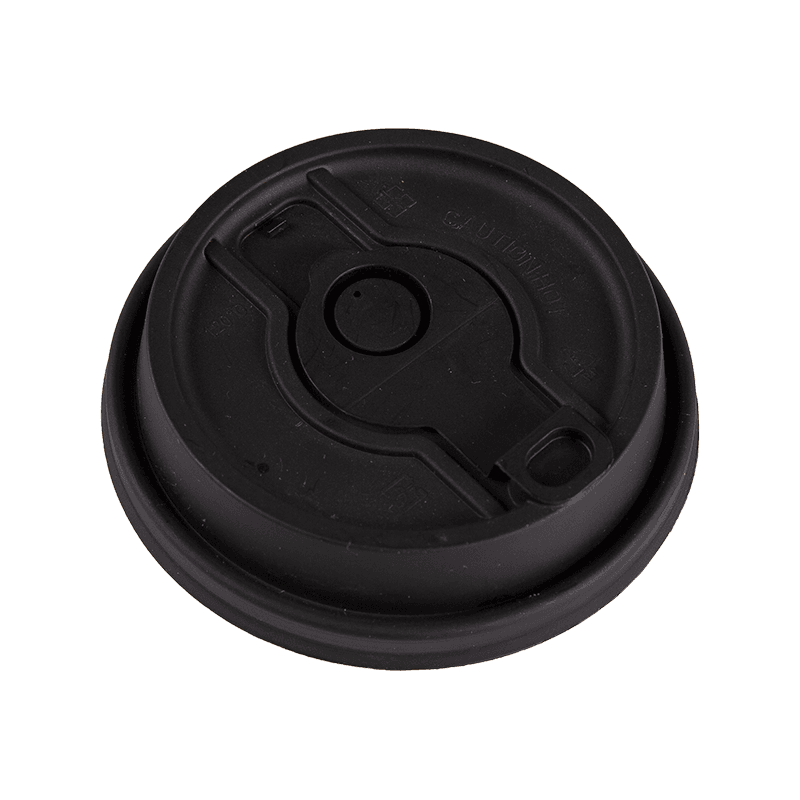
5. Enhancing Brand Image and Consumer Experience
Packaging is a direct touchpoint with the consumer, and the lid is a highly visible component. A well-designed PP plastic cup lid contributes significantly to brand perception and user satisfaction. The material's surface is excellent for printing, allowing for high-quality branding, logos, instructional text, or promotional messages. A secure, leak-proof lid prevents customer frustration and negative experiences associated with spills. Features like easy-open tabs, comfortable sip holes, and reclosable options add a layer of convenience that customers appreciate. For specialty beverages, a custom-designed bubble tea sealing lid that accommodates a large straw signals attention to detail and quality. In the dairy sector, a perfectly sealing dairy product packaging lid maintains freshness and prevents contamination, building trust in the brand. Ultimately, a reliable and functional lid completes the product experience, turning a simple beverage container into a reliable and branded commodity that encourages repeat business.
- Branding Canvas: Supports high-resolution printing and embossing for strong brand visibility.
- Consumer Confidence: A secure seal assures customers of product integrity and hygiene.
- Functional Innovation: Enables consumer-desired features like sipping, swirling, and reclosing, which enhance usability.
FAQ
Are PP plastic cup lids microwave safe?
Yes, most PP plastic cup lids are microwave safe. Polypropylene has a high heat tolerance, typically withstanding temperatures up to 135°C (275°F). This property makes it an ideal material for packaging that may need reheating. For instance, a dairy product packaging lid on a yogurt cup or a lid on a takeaway soup container can generally go into the microwave without melting or warping, provided the microwave power is not excessively high and the time is limited. However, it is always crucial to check for any specific microwave-safe symbol on the packaging or lid itself. Some lids may have thin components or be coated with materials that are not suitable for microwave use. As a best practice, if the lid is intended for reuse and reheating, confirming its microwave safety with the manufacturer is recommended.
Can PP cup lids be recycled? Should they be left on the cup when recycling?
PP plastic cup lids are recyclable as they are made from Polypropylene, resin code #5. However, the specific recycling instructions—whether to leave the lid on or take it off—vary significantly by local recycling facility capabilities. The traditional advice was to separate lids from cups because they are often made from different plastics (e.g., a paper cup with a plastic lining and a PP lid). The concern was that mixed materials could contaminate recycling streams. Recently, many modern facilities have adapted to handle "mixed" containers and actually prefer lids to be left on. A secured lid prevents it from being lost during the sorting process (as small items can fall through screens) and makes the container a single, larger object that is easier to sort. The most accurate answer is to follow your local municipality's guidelines. For businesses, providing clear recycling instructions on the cup or lid can improve proper disposal rates and support circular economy efforts for products like takeaway coffee cup lids.
What is the difference between PP lids and PLA (bioplastic) lids?
The core difference lies in the material source and end-of-life processing. PP plastic cup lids are made from polypropylene, a petroleum-based plastic known for its durability, chemical resistance, and recyclability in standard #5 streams. PLA (Polylactic Acid) lids are made from renewable resources like corn starch or sugarcane and are designed to be compostable in industrial composting facilities under specific conditions of heat and humidity.
| Aspect | PP Lids | PLA Lids |
| Material Source | Fossil-based | Plant-based (Renewable) |
| Key End-of-Life Path | Mechanical Recycling (#5) | Industrial Composting |
| Durability & Heat Resistance | Excellent | Lower (can soften with hot liquids) |
| Cost | Generally lower | Generally higher |
| Clarity | Translucent | Often crystal clear |
The choice depends on infrastructure and priorities. PP is superior for hot drinks and durability and relies on recycling. PLA offers a bio-based alternative but requires commercial composting, not just backyard piles, to break down, and may not perform as well for hot drink takeaway coffee cup lids.
How do I choose the right size and style of PP lid for my product?
Choosing the correct PP plastic cup lid involves several critical factors to ensure functionality, safety, and customer satisfaction. First, you must know the exact dimensions of your cup's finish (the top rim), including the outer diameter (OD) and the type of curl or flange. Lids are designed to fit specific measurements. Second, consider your product's characteristics: for hot liquids, you need a lid with a secure seal and a sip hole designed to prevent splashing; for juice and smoothie cup lids, you might want a wider opening for a straw; for bubble tea sealing lids, a dome style and a film seal are essential. Third, think about user experience: does it need to be fully sealed (like for delivery), or should it have a pull-tab for easy drinking? Finally, consider operational needs: stacking ability for storage and a design compatible with automated or manual capping equipment. Working with a supplier to request samples for fit and function testing is a mandatory step before ordering wholesale PP cup lids.
Are there any safety concerns with reusing PP cup lids?
While PP plastic cup lids are durable, reusing them for food and beverage purposes is generally not recommended from a food safety perspective. The primary concerns are hygiene and material degradation. Firstly, lids are difficult to clean thoroughly. Residual sugars, fats, or proteins in crevices, sip holes, or under sealing rings can harbor bacteria and mold. Secondly, although PP is chemically resistant, physical wear from repeated washing (especially in dishwashers with harsh detergents and high heat) can cause microscopic scratches that become breeding grounds for pathogens. Thirdly, the material can become brittle or warp over time, compromising the seal and leading to leaks. For single-use packaging, lids are designed and regulated for one-time use. For a reusable system, it is better to invest in purpose-built, durable food containers with lids designed for multiple wash cycles and long-term use.

 +86-0563-8029081
 +86-0563-8029081
 No. 12 Sanxi Road, Xinqiao Development Zone, Jingde Country, Xuancheng City, Anhui Province.