
 English
 Español
 عربى
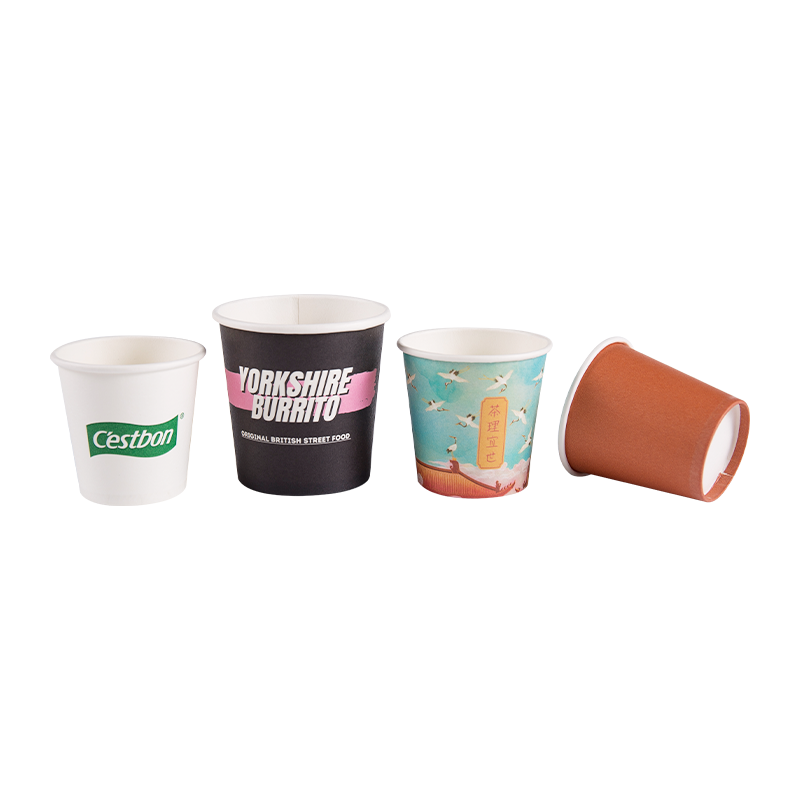
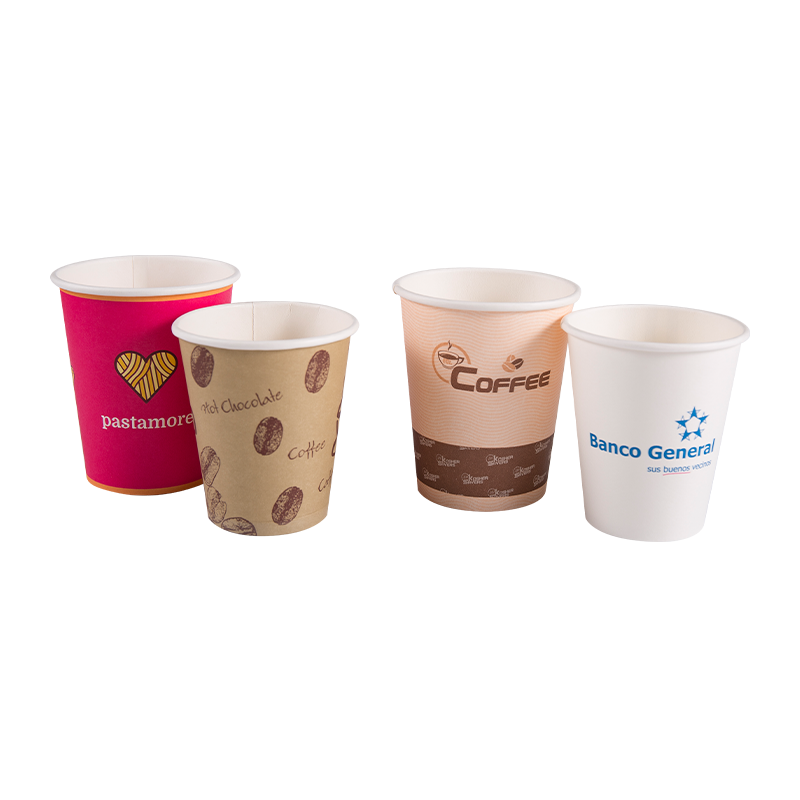
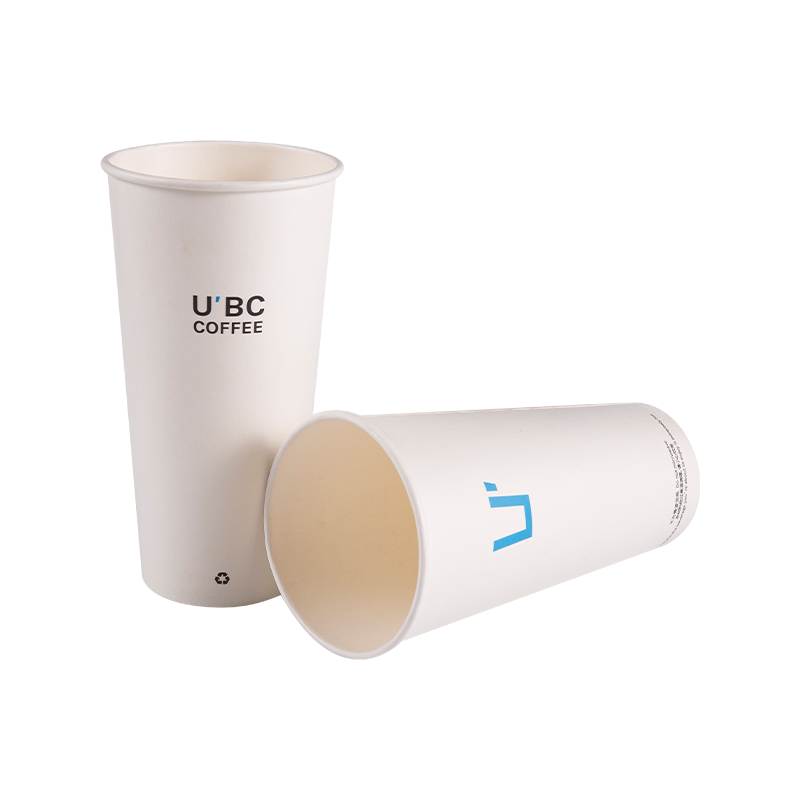
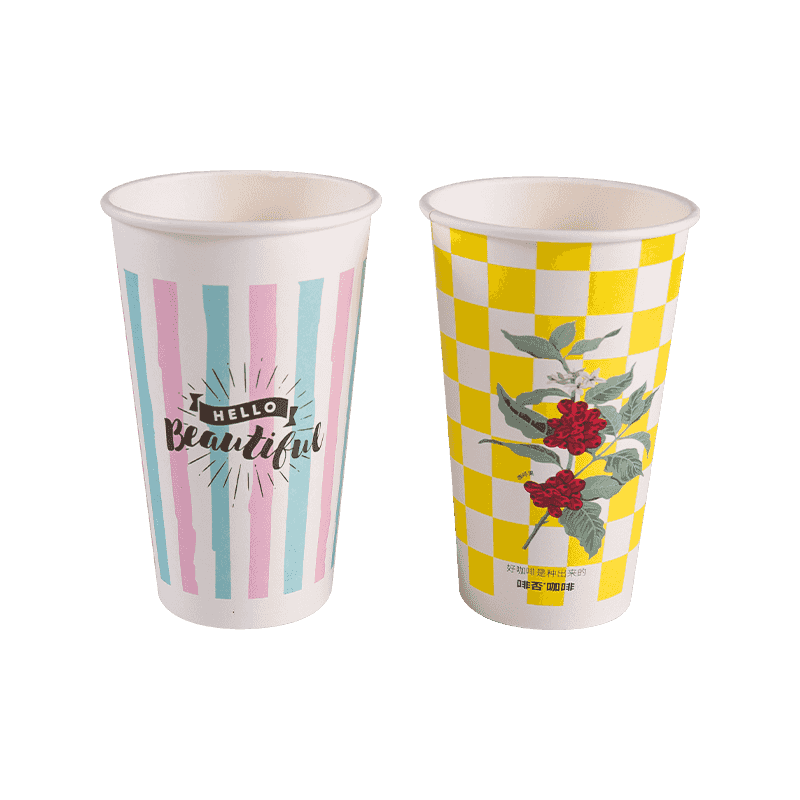
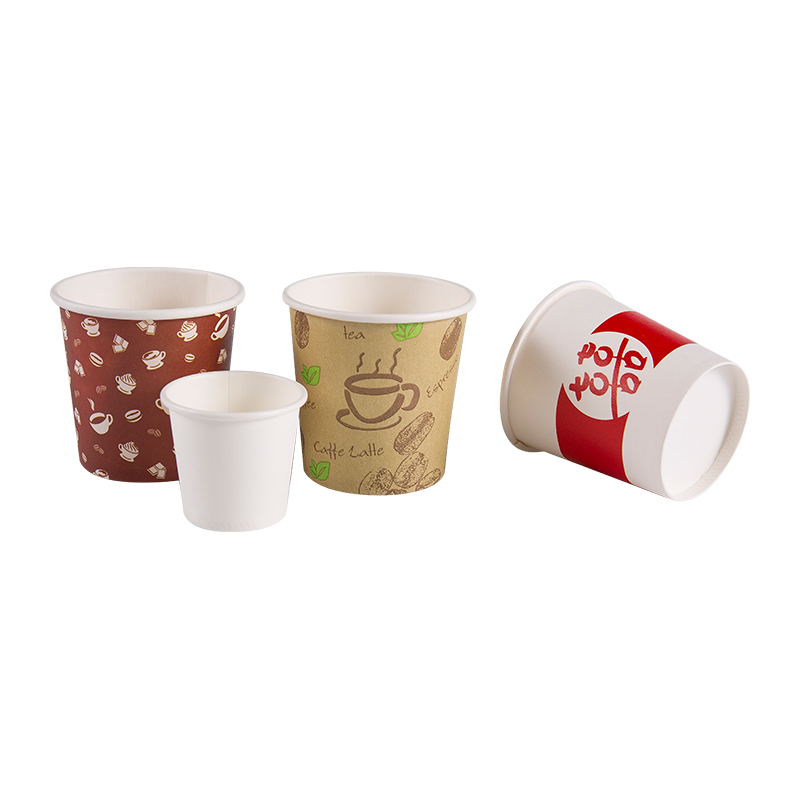
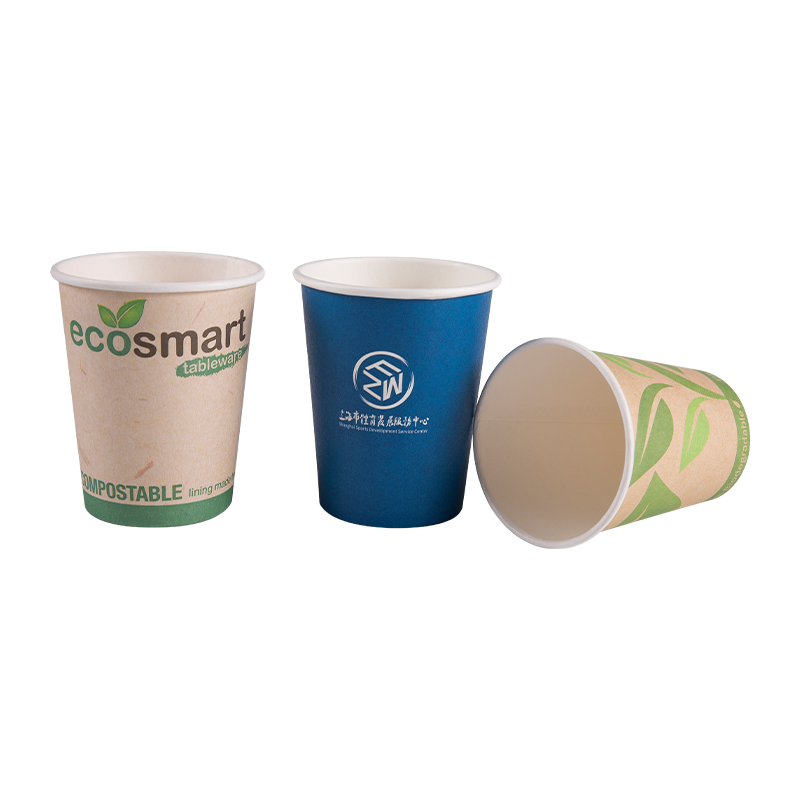
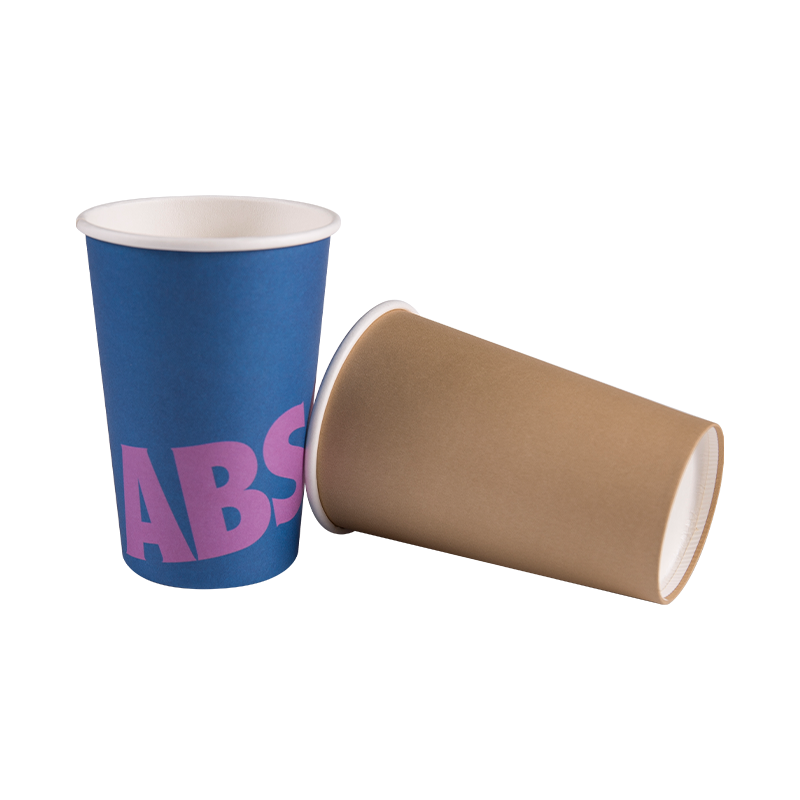
عربىIn the global food service and packaging industry, the single wall paper cup remains a cornerstone due to its material efficiency and cost-effectiveness. Engineered primarily for cold beverages or moderately warm drinks, its structural integrity relies on high-quality virgin wood pulp and precise coating technologies. As market demands shift toward circular economy models, understanding the biodegradable single wall cups manufacturing process and the material science behind internal linings is essential for procurement professionals and environmental engineers alike.
Content
- 1 1. Structural Composition and Material Density Standards
- 2 2. Internal Linings: PE vs. PLA Lined Paper Cups
- 3 3. Thermal Conductivity and User Safety
- 4 4. Manufacturing Precision: Ultrasonic vs. Heat Sealing
- 5 5. Environmental Compliance and Recycling Pathways
- 6 Frequently Asked Questions (FAQ)
- 6.1 1. Can a single wall paper cup be used for boiling water?
- 6.2 2. What makes PLA lined paper cups different from regular ones?
- 6.3 3. Are single wall cups for cold beverages more environmentally friendly?
- 6.4 4. How do I prevent custom printed single wall cups from smelling like ink?
- 6.5 5. Is a single wall paper cup microwave safe?
- 7 Industry References
1. Structural Composition and Material Density Standards
The performance of a single wall paper cup is fundamentally determined by the base paper's Grams per Square Meter (GSM). High-performance cups utilize ""Cupstock"" paper, which is a specialized grade of paperboard designed to resist moisture while maintaining stiffness. When comparing material thicknesses, a higher GSM provides better tactile rigidity and slower heat transfer, whereas lower GSM models are optimized for light-duty, high-volume scenarios. Most industrial standards for a 12oz cup require a base weight between 230gsm and 310gsm to ensure the cup does not collapse under the weight of the liquid.
Comparison: Standard vs. Heavy-Duty Cupstock Specifications
The choice of paper density directly influences the cup's resistance to ""soaking"" and its overall structural lifespan during use.
| Specification Category | Standard Economy Grade | Professional Industrial Grade |
| Base Paper Weight (GSM) | 190 - 230 gsm | 250 - 320 gsm |
| Wall Stiffness (N) | Low (Flexible) | High (Rigid) |
| Recommended Usage | Sampling / Cold Water | Vending / Hot Coffee with Sleeves |
2. Internal Linings: PE vs. PLA Lined Paper Cups
To prevent liquid from saturating the paper fibers, an internal barrier is required. Historically, Polyethylene (PE) has been the industry standard for single wall paper cup production due to its excellent moisture barrier properties and low cost. However, the rise of PLA lined paper cups has introduced a bio-based alternative. Polylactic Acid (PLA), derived from fermented plant starch, offers a lower carbon footprint but possesses a lower melting point compared to traditional PE. This technical distinction is crucial for businesses evaluating sustainable paper cups for hot drinks, as the thermal stability of the lining affects the cup's seal integrity at high temperatures.
Comparison: PE Coating vs. PLA Coating Performance
While PE provides superior thermal resistance for boiling water, PLA excels in compostability and environmental compliance metrics.
| Lining Characteristic | Polyethylene (PE) Coating | Polylactic Acid (PLA) Coating |
| Heat Resistance Threshold | Up to 90-100°C | Up to 75-85°C |
| Environmental Impact | Recyclable (Specific facilities) | Compostable (Industrial) |
| Moisture Barrier Level | Superior | Excellent |
3. Thermal Conductivity and User Safety
One common technical inquiry is why choose single wall vs double wall cups for specific beverage programs. A single wall paper cup has higher thermal conductivity, meaning the exterior surface temperature quickly approaches the temperature of the liquid inside. This makes single wall cups for cold beverages the preferred choice, as they use less material and cool faster. For hot beverages, these cups often necessitate a secondary ""cup sleeve"" to protect the consumer from burns, which adds an extra layer of insulation without the permanent material cost of a double-wall design.
4. Manufacturing Precision: Ultrasonic vs. Heat Sealing
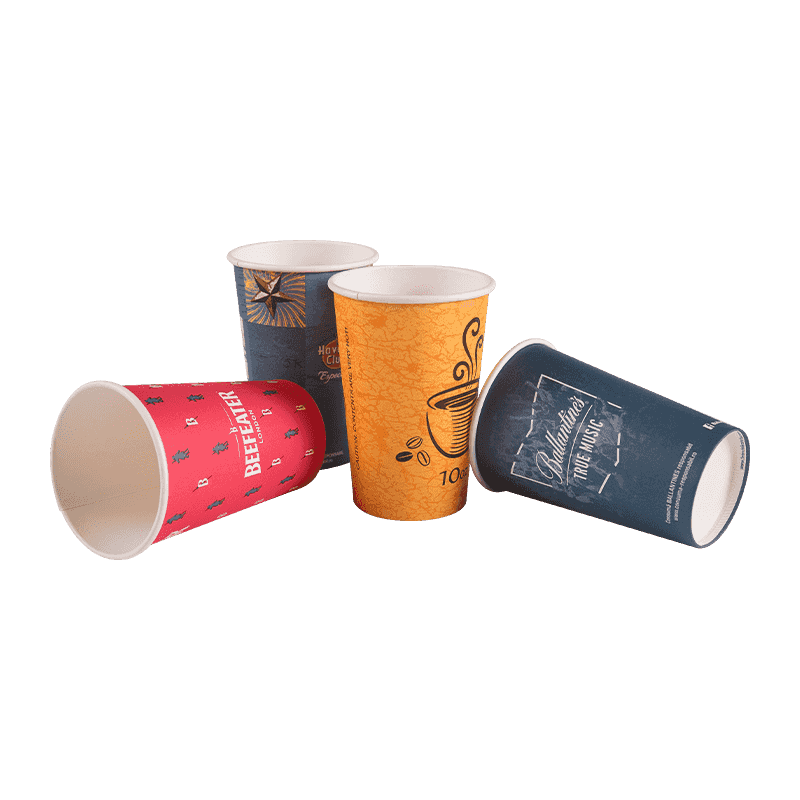
The structural failure of a paper cup usually occurs at the side seam or the bottom curl. Advanced disposable paper cup manufacturing lines utilize either high-frequency heat sealing or ultrasonic welding. Ultrasonic welding is often preferred for eco friendly single wall coffee cups because it creates a bond at the molecular level without affecting the integrity of sensitive coatings like PLA. This ensures a leak-proof seal even when using custom printed single wall cups where ink coverage might otherwise interfere with traditional heat-bonding methods.
Key Technical Advantages of Precision Sealing:
- High Leakage Resistance: Minimized capillary action at the seam.
- Aesthetic Integrity: Smooth side seams that do not distort printed graphics.
- Bottom Curl Strength: Reinforced base for stable placement on flat surfaces.
5. Environmental Compliance and Recycling Pathways
With increasing regulations on single-use plastics, the compostable single wall cups market is expanding. The technical challenge lies in the ""repulping"" process. Traditional PE-lined cups require specialized equipment to strip the plastic from the fiber. In contrast, aqueous-coated or recyclable single wall cups use water-based dispersion barriers that break down easily in standard paper recycling streams, significantly increasing the recovery rate of high-quality cellulose fibers.
Frequently Asked Questions (FAQ)
1. Can a single wall paper cup be used for boiling water?
While technically possible, a single wall paper cup will become very hot to the touch instantly. It is recommended to use a sleeve or opt for a double-wall design if serving beverages above 80°C to ensure user comfort.
2. What makes PLA lined paper cups different from regular ones?
PLA linings are made from renewable resources like corn starch, making them industrially compostable. Regular cups use petroleum-based PE, which is durable but more difficult to compost.
3. Are single wall cups for cold beverages more environmentally friendly?
Generally, yes. Because they use a single layer of paperboard, they consume fewer raw materials and require less energy to transport compared to double-wall or corrugated alternatives.
4. How do I prevent custom printed single wall cups from smelling like ink?
Professional manufacturers use food-grade, water-based inks that are low-odor and low-VOC (Volatile Organic Compounds), ensuring the beverage's aroma is not contaminated by the packaging.
5. Is a single wall paper cup microwave safe?
Typically, no. Most paper cups contain a plastic or bio-plastic lining that can melt or release chemicals if overheated in a microwave. They are designed as one-way delivery systems for pre-heated liquids.
Industry References
- ISO 18604:2013 - Packaging and the environment — Material recycling.
- ASTM D6400 - Standard Specification for Labeling of Plastics Designed to be Aerobically Composted.
- TAPPI T 410 - Grammage of Paper and Paperboard (Weight per Unit Area).
- FDA 21 CFR 176.170 - Components of paper and paperboard in contact with aqueous and fatty foods.
 +86-0563-8029081
 +86-0563-8029081
 No. 12 Sanxi Road, Xinqiao Development Zone, Jingde Country, Xuancheng City, Anhui Province.