
 English
 Español
 عربى
عربىIn the bustling world of on-the-go beverages, the humble cold coffee paper cup plays a pivotal role. More than just a container, it is a critical touchpoint for brand experience, consumer safety, and environmental responsibility. As a leading manufacturer with over a decade of expertise, Xuancheng Bo Site Commodity Co., Ltd. understands that the choice of a paper cup involves a complex interplay of material science, regulatory compliance, and market trends. This guide delves deep into the intricacies of cold coffee paper cups, offering valuable insights for businesses aiming to make informed, sustainable, and quality-driven decisions.
Content
- 1 Understanding Cold Coffee Paper Cup Materials and Linings
- 2 Key Features of a High-Quality Cold Coffee Paper Cup
- 3 Design and Customization for Brand Impact
- 4 Navigating the Sustainability Landscape
- 5 Choosing the Right Supplier: Beyond the Product
- 6 Frequently Asked Questions (FAQs)
- 6.1 1. What is the most eco-friendly lining for a cold coffee paper cup?
- 6.2 2. Are double-wall paper cups worth the extra cost for serving iced coffee?
- 6.3 3. How can I ensure my custom printed design won't rub off when the cup gets wet?
- 6.4 4. Can I recycle a paper cup with a PE plastic lining?
- 6.5 5. What should I look for when placing a bulk custom order for paper cups?
- 7
- 8 References
Understanding Cold Coffee Paper Cup Materials and Linings
The performance of a cold coffee paper cup largely depends on its inner lining, which prevents liquid seepage and maintains structural integrity. The choice of coating is a direct reflection of a brand's values, balancing functionality with environmental impact.
Types of Coatings: A Comparative Analysis
Different coatings offer distinct advantages and challenges. Here is a detailed comparison:
| Coating Type | Key Characteristics | Best For | Environmental Profile |
|---|---|---|---|
| PE (Polyethylene) Coating | Excellent moisture barrier, cost-effective, widely recyclable in specialized streams. | High-volume operations where reliable performance is paramount. | Traditional plastic-based; requires specific recycling facilities. |
| PLA (Polylactic Acid) Coating | Bio-based, made from corn starch or sugarcane, commercially compostable under industrial conditions. | Brands with strong sustainability positioning and access to industrial composting. | Renewable resource-based; breaks down in commercial composters, not typically in home compost or nature. |
| Aqueous (Water-Based) Coating | Plastic-free, often recyclable and compostable in a wider range of facilities, emerging technology. | Businesses aiming for a fully plastic-free, easily recyclable product solution. | Considered the most eco-friendly option, simplifying end-of-life disposal. |
For businesses exploring eco-friendly disposable cups for iced beverages, moving beyond traditional PE to PLA or aqueous coatings is a significant step toward reducing plastic footprint and appealing to environmentally conscious consumers [1].
Selecting the Right Material for Your Needs
Consider these factors when choosing a cup lining:
- Product Compatibility: Ensure the coating effectively contains your specific cold coffee recipe, including acidity and sugar content.
- End-of-Life Strategy: Align your choice with local waste management infrastructure (e.g., recycling vs. industrial composting availability).
- Certifications: Look for certifications like FSC (for sustainable paper sourcing) and relevant compostability certifications (like BPI or DIN) for PLA cups.
Xuancheng Bo Site Commodity Co., Ltd. offers all three coating types, holding both FSC and CE certifications, to cater to diverse global market demands and sustainability goals.
Key Features of a High-Quality Cold Coffee Paper Cup
A superior cup is defined by features that enhance user experience and operational efficiency. Two critical aspects often considered are insulation and lid compatibility.
Double-Wall vs. Single-Wall Construction
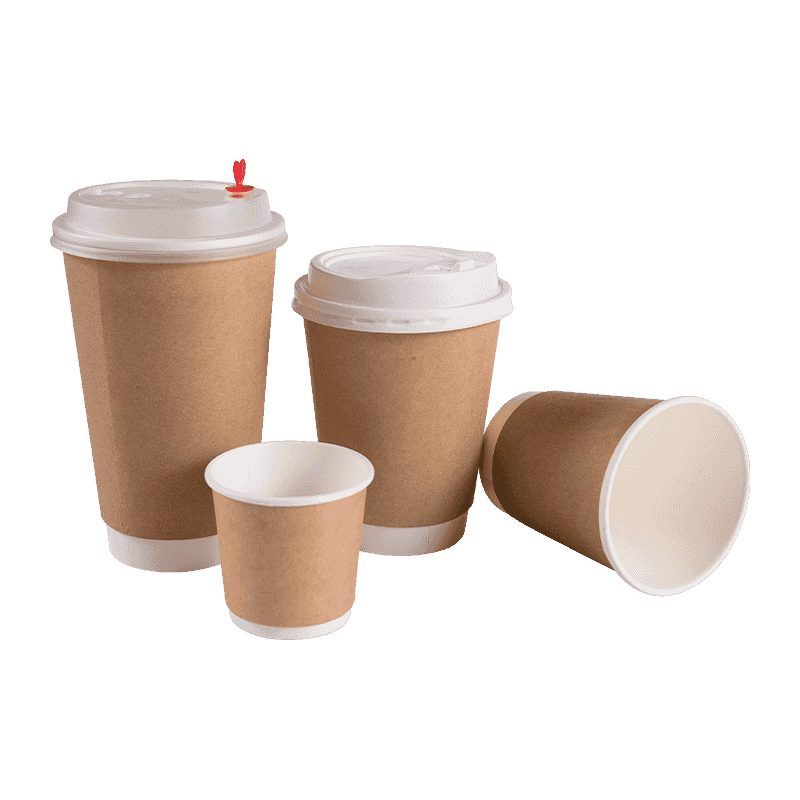
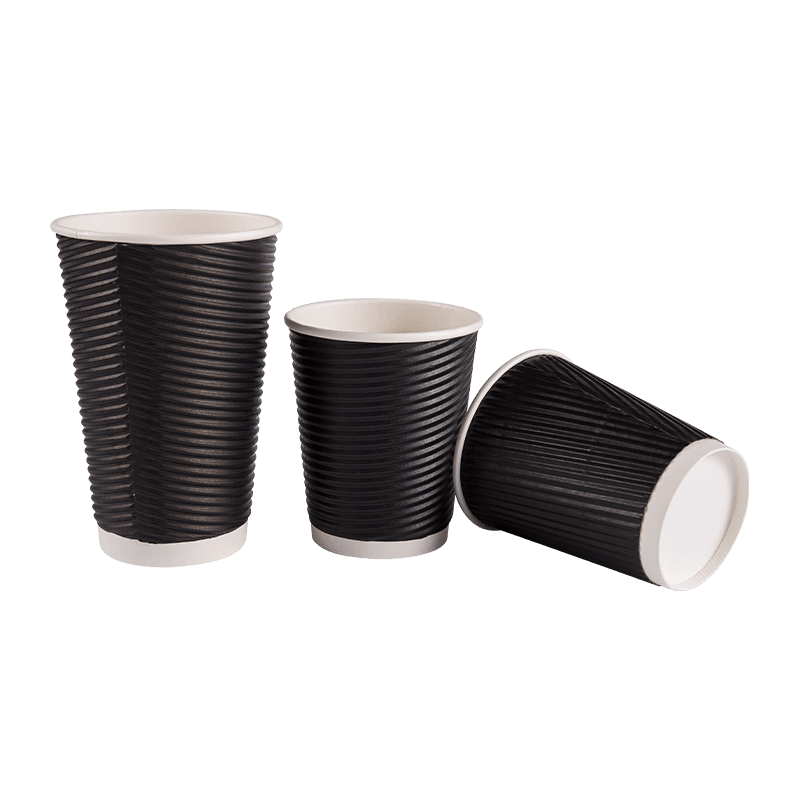
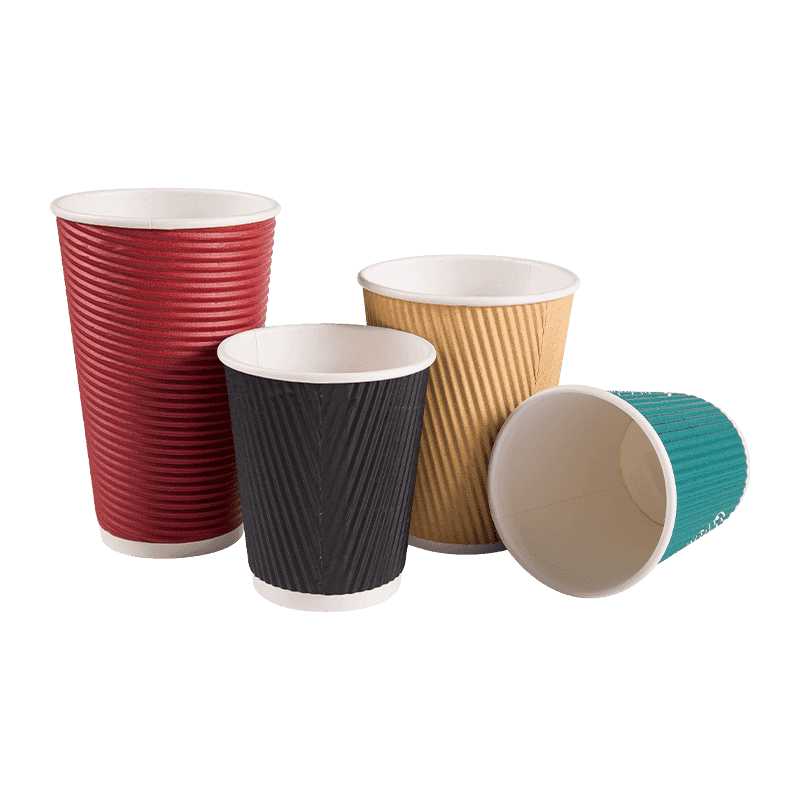
The debate between double-wall and single-wall construction is central to choosing the right cup. Understanding the benefits of double wall paper cups for iced coffee can clarify this choice.
| Feature | Single-Wall Cup | Double-Wall Cup |
|---|---|---|
| Insulation | Minimal; condensation forms quickly, making the cup feel wet and cold to hold. | Excellent; the air gap between walls acts as a thermal barrier, reducing condensation and keeping hands dry and comfortable. |
| Structural Rigidity | Good, but can soften when holding cold, wet beverages for extended periods. | Superior; feels sturdier and more premium, preventing squeezing or buckling. |
| Cost & Environmental Impact | Lower material cost and slightly lower carbon footprint due to less paper used. | Higher material cost but offers enhanced customer experience and perceived value. |
For cafes serving gourmet or premium iced drinks, investing in double-wall cups can significantly elevate the customer's perception of quality.
Lid Fit and Spill Prevention
A secure lid is non-negotiable. Poorly fitting lids are a leading cause of spills and customer dissatisfaction. When evaluating how to choose a leak-proof paper cup for iced coffee, focus on:
- Precision Engineering: The cup's rim must be uniformly shaped to create a perfect seal with the lid.
- Lid Design: Look for lids with secure locking mechanisms, such as audible "click" seals or strong friction-fit grooves.
- Straw Slots: The perforation for the straw should be clean and easy to pierce while remaining leak-resistant when the straw is in place.
Our company utilizes over 40 different molds and precision manufacturing equipment to ensure consistent cup geometry, which is the foundation of reliable lid fit.
Design and Customization for Brand Impact
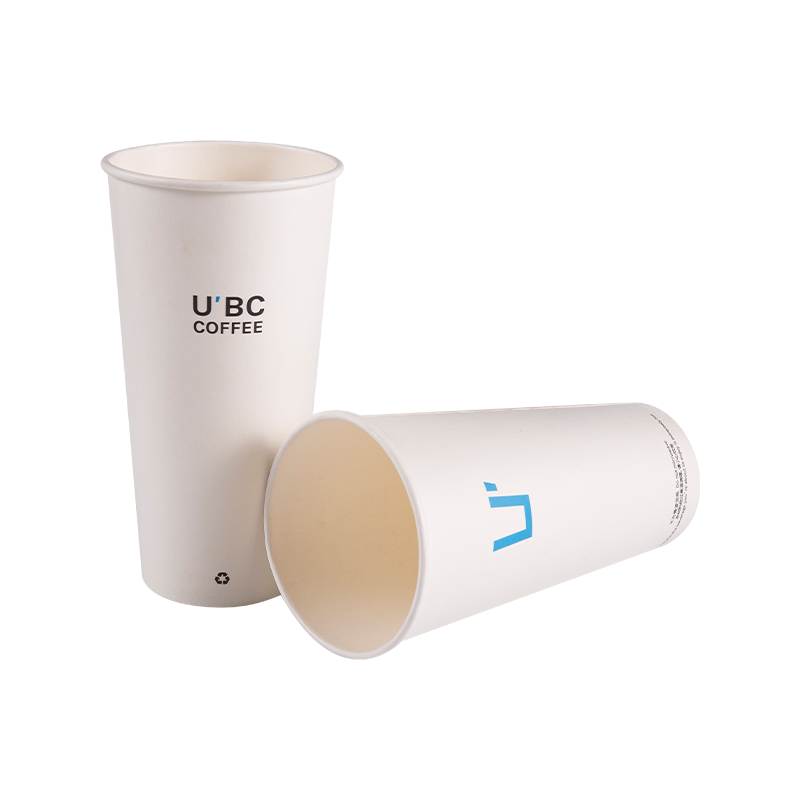
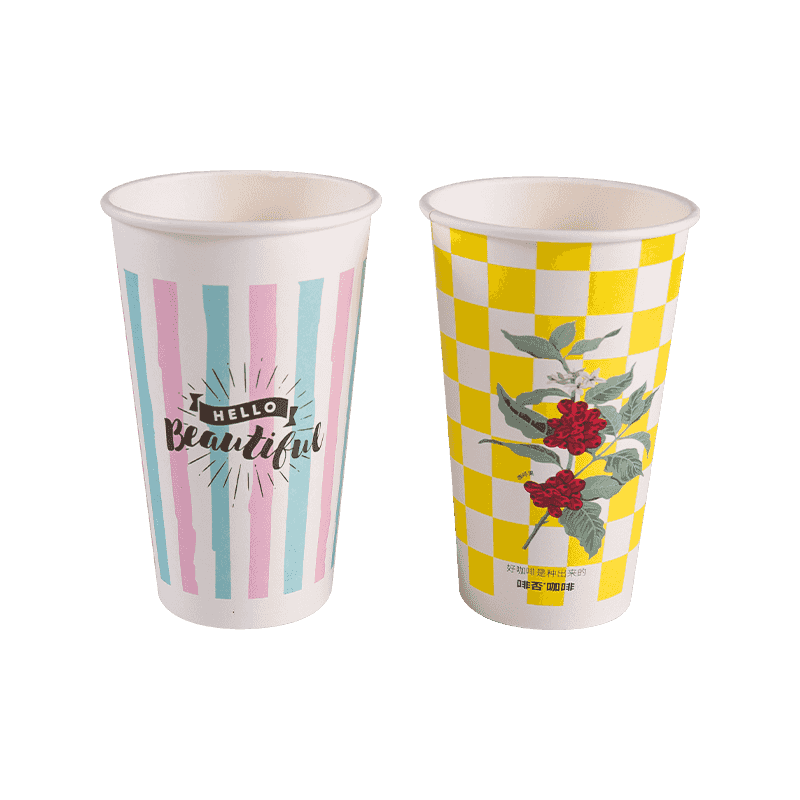
A cold coffee paper cup is a mobile billboard. Effective customization turns a generic container into a powerful marketing tool.
Printing Technologies and Durability
High-quality printing that withstands condensation is crucial. We employ two advanced methods:
- UV Offset Printing: Delivers exceptionally sharp, high-resolution, and vibrant graphics. The UV curing process makes the ink highly resistant to scuffing and moisture.
- Flexographic Printing: An efficient and cost-effective method for bold, solid colors and simpler designs, ideal for high-volume runs.
Whether you need full-color photographic prints or elegant brand logos, the goal is to ensure the design remains impeccable from the moment it's handed to the customer until the last sip.
Trends in Sustainable and Functional Design
Modern design goes beyond aesthetics. Current trends answering the demand for best sustainable cold coffee cup options include:
- Minimalist, Elegant Aesthetics: Clean lines, matte finishes, and earth-toned colors that communicate a natural, sustainable brand ethos.
- Functional Messaging: Incorporating clear disposal instructions (e.g., "I am industrially compostable") or QR codes linking to sustainability stories directly on the cup.
- Ergonomic Shapes: Contoured designs that are easier and more comfortable to hold, enhancing the tactile experience.
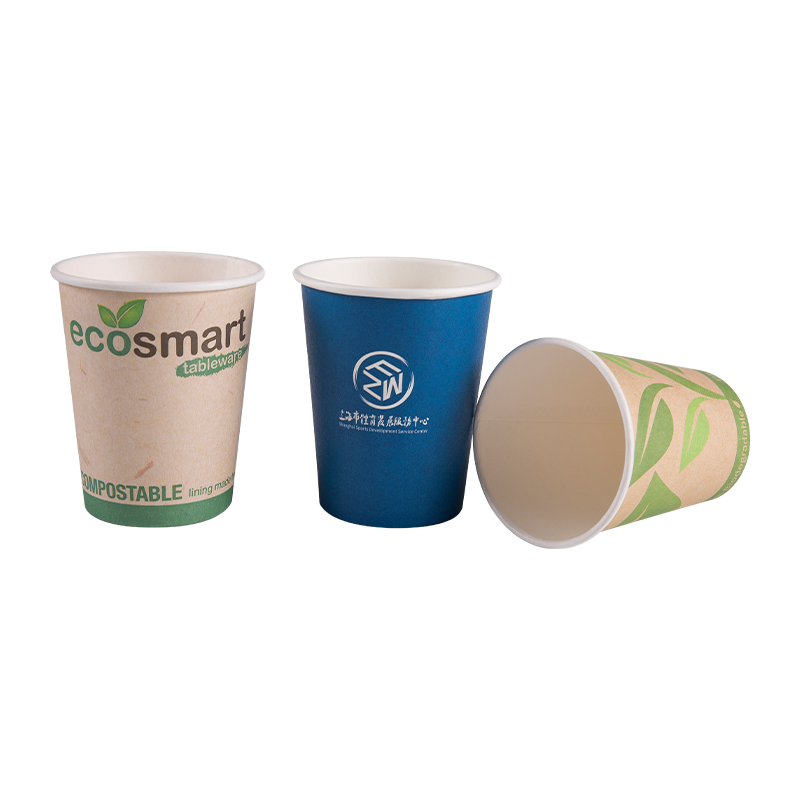
Sustainability is no longer optional. Consumers and regulators demand actionable solutions, making it essential to understand compostable vs recyclable cold coffee cups.
Compostable vs. Recyclable: A Clear Distinction
Confusion between these terms is common. Here is a breakdown to inform responsible choices:
| Aspect | Compostable Cups (e.g., PLA-lined) | Recyclable Cups (e.g., PE-lined) |
|---|---|---|
| Primary End-of-Life Path | Break down into nutrient-rich compost in industrial composting facilities (requiring specific heat, moisture, and microbial activity). | Processed in paper recycling mills where the plastic lining is separated from the paper fiber, which is then repulped. |
| Consumer Action Required | Must be disposed of in a dedicated industrial compost bin. Contamination with regular waste or recycling renders them ineffective. | Must be placed in a recycling bin where accepted. Often requires specific municipal capability to process paper cups. |
| Infrastructure Dependency | High; value is lost without access to industrial composting. | Moderate to High; depends on local recycling programs accepting paper cups. |
The most sustainable option is highly location-specific. Engaging with local waste management authorities is key [2].
The Role of Certifications and Green Production
Certifications provide third-party verification of environmental claims. Key certifications include:
- FSC (Forest Stewardship Council): Ensures the paperboard comes from responsibly managed forests.
- Compostability Certifications (e.g., BPI, OK compost INDUSTRIAL): Verify that the cup will break down in an industrial composting facility within a specified timeframe.
At Xuancheng Bo Site Commodity Co., Ltd., green production is our guiding principle. Our certifications (ISO 14001, FSC) and investment in water-based coating technologies demonstrate a commitment to minimizing environmental impact throughout our operations.
Choosing the Right Supplier: Beyond the Product
Selecting a manufacturer is a strategic partnership. For businesses considering a bulk order of custom branded cold coffee cups, evaluating a supplier's holistic capabilities is essential.
Critical Supplier Evaluation Criteria
- Production Capacity and Reliability: Assess annual output capabilities and lead time consistency. Our capacity of 1 billion pieces annually ensures we can handle large, timely orders for global clients.
- Quality Control and Certifications: Insist on evidence of rigorous quality management (e.g., ISO 9001) and relevant product safety certifications (e.g., national sanitary license, CE).
- R&D and Innovation Pipeline: A partner with active R&D, evidenced by patents (like our 10 invention patents), is better positioned to offer future-proof solutions.
- Global Compliance Expertise: Experience in exporting to regions like the EU and Americas indicates familiarity with diverse regulatory landscapes.
The Value of a Long-Term Partnership
A trusted supplier acts as an extension of your team, offering:
- Co-development: Working together to solve unique challenges, such as creating a paper cup that prevents condensation on the outside through innovative material or structural design.
- Supply Chain Stability: Consistent quality and reliable delivery, crucial for large chains and airlines we serve.
- Strategic Guidance: Providing insights on material innovations, market trends, and cost-optimization strategies.
Founded in 2008 and honored as a high-tech enterprise in Anhui Province, our philosophy is built on long-term partnerships driven by excellent quality, stable output, and first-class service.
Frequently Asked Questions (FAQs)
1. What is the most eco-friendly lining for a cold coffee paper cup?
Currently, water-based (aqueous) coating is considered the most environmentally advanced option as it is plastic-free and typically allows the cup to be easily recycled or composted. PLA (bio-plastic) coating is another strong eco-friendly choice, but it requires access to industrial composting facilities to realize its end-of-life benefits.
2. Are double-wall paper cups worth the extra cost for serving iced coffee?
Absolutely. Double-wall cups provide superior insulation, which drastically reduces exterior condensation, keeping customers' hands dry and comfortable. They also offer a sturdier, more premium feel that enhances the perceived value of your beverage, often justifying the slightly higher cost.
3. How can I ensure my custom printed design won't rub off when the cup gets wet?
Choose a manufacturer that uses high-quality printing techniques like UV offset printing. The UV curing process creates a durable, polymerized ink layer that is highly resistant to scuffing, moisture, and condensation, ensuring your brand image stays sharp.
4. Can I recycle a paper cup with a PE plastic lining?
It depends entirely on your local recycling infrastructure. Some advanced facilities can process these cups, separating the plastic lining from the paper fiber. However, many municipal programs do not accept them. Always check with your local waste management authority for specific guidelines.
5. What should I look for when placing a bulk custom order for paper cups?
Focus on the supplier's production capacity, quality control certifications (ISO 9001, sanitary licenses), material options (PE, PLA, aqueous), and expertise in your target market's regulations. A partner with strong R&D capabilities can also help you innovate and solve specific functional challenges.
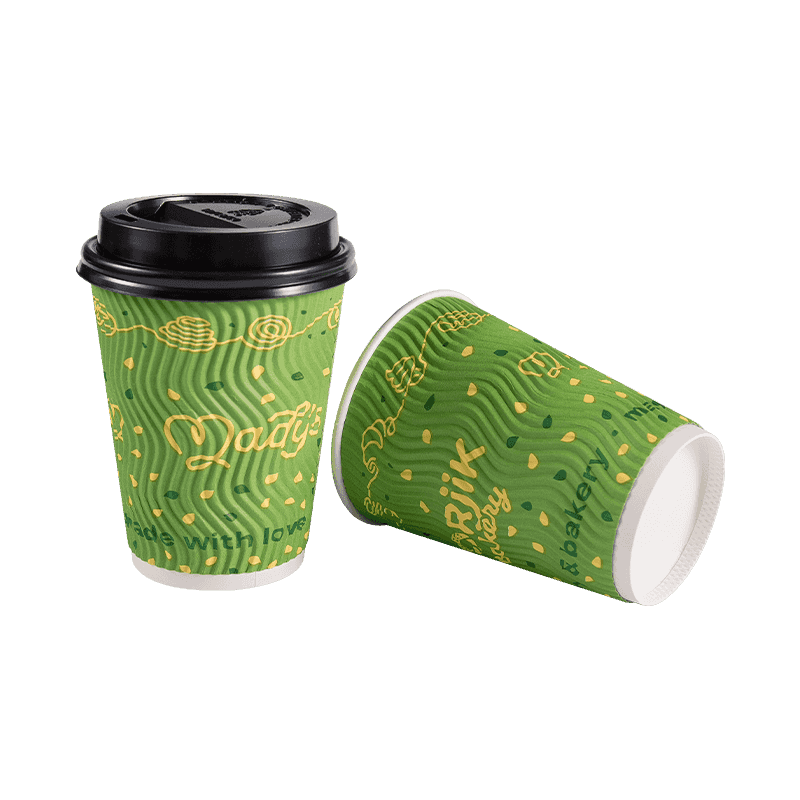
The modern cold coffee paper cup is a sophisticated product where material science, environmental stewardship, and brand strategy converge. From understanding the nuances of compostable vs recyclable cold coffee cups to selecting features like double wall paper cups for iced coffee that enhance user experience, every decision carries weight. Partnering with a knowledgeable, certified, and innovative manufacturer like Xuancheng Bo Site Commodity Co., Ltd. ensures that your choice in packaging supports your product quality, brand values, and sustainability commitments, ultimately serving your customers and the planet better.
References
[1] Walker, S., & Rothman, R. (2020). Life cycle assessment of food packaging. In *Food and Beverage Packaging Technology* (pp. 45-67). Wiley-Blackwell.
[2] European Commission. (2018). *A European Strategy for Plastics in a Circular Economy*. Brussels: EU Publications Office.
 +86-0563-8029081
 +86-0563-8029081
 No. 12 Sanxi Road, Xinqiao Development Zone, Jingde Country, Xuancheng City, Anhui Province.