
 English
 Español
 عربى
عربىContent
What Makes a Paper Cup Suitable for Cold Drinks
Not all paper cups are interchangeable. A paper cup designed for cold drinks differs from a hot cup in one critical way: its interior lining. Most cold drink paper cups are coated with a layer of polyethylene (PE) on the inside, which prevents moisture from saturating the paper wall when the cup is filled with iced beverages, chilled sodas, or other cold liquids.
Hot cups, by contrast, often use a different coating or a double-wall structure to handle heat. Using a hot cup for cold drinks—or vice versa—is generally functional in a pinch, but not optimized for performance. Cold drink cups are also typically thinner than hot cups, since insulation is less of a concern; the priority is moisture resistance and structural rigidity under condensation.
A secondary consideration is the rim. Cold drink cups are commonly topped with a flat or domed plastic lid, so the rim diameter and profile must be compatible with standard lid sizes—something that varies between manufacturers and should be confirmed before placing a bulk order.
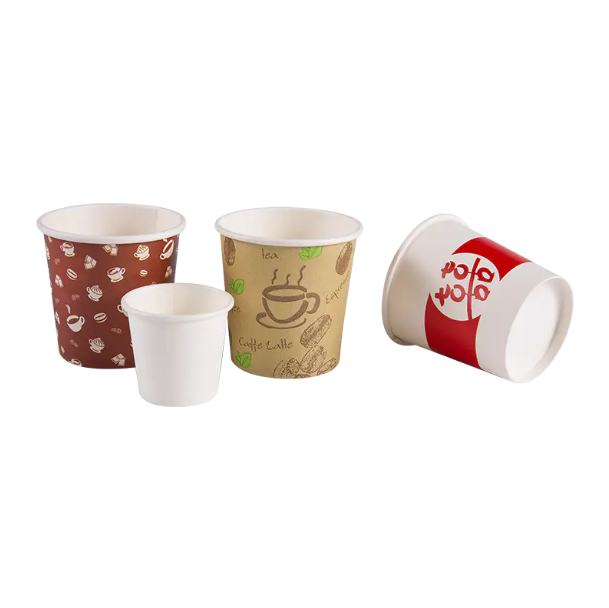
Common Types of Paper Cups for Cold Drinks
The category of paper cups for cold drinks covers several distinct formats, each suited to a different service context:
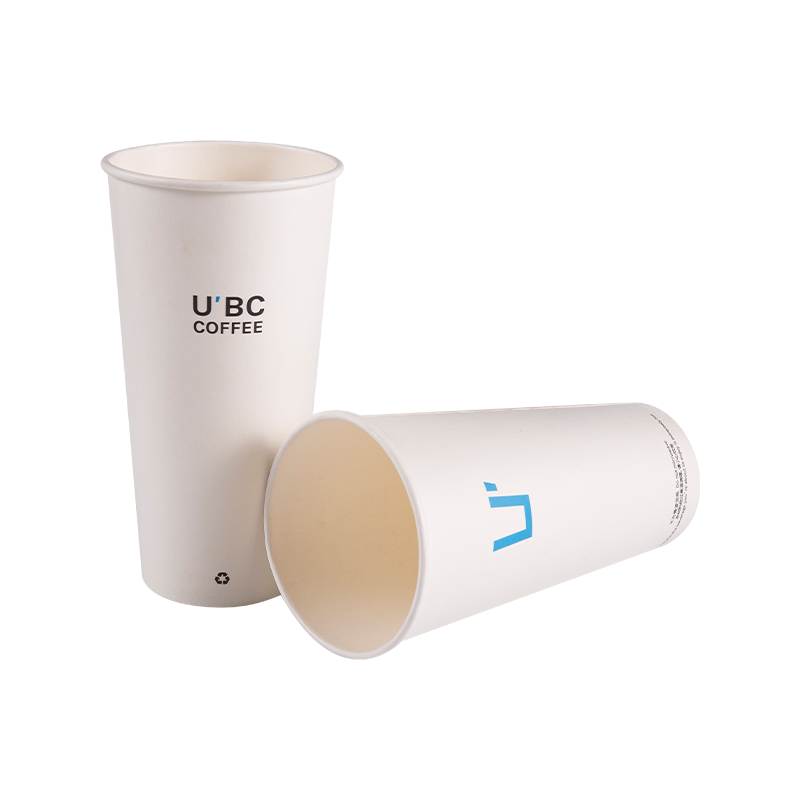
- Single-wall PE-lined cold cups — The standard format for quick-service restaurants, bubble tea shops, and fountain drink stations. One layer of paperboard with a PE interior coating. Economical and widely available in sizes from 8 oz to 32 oz.
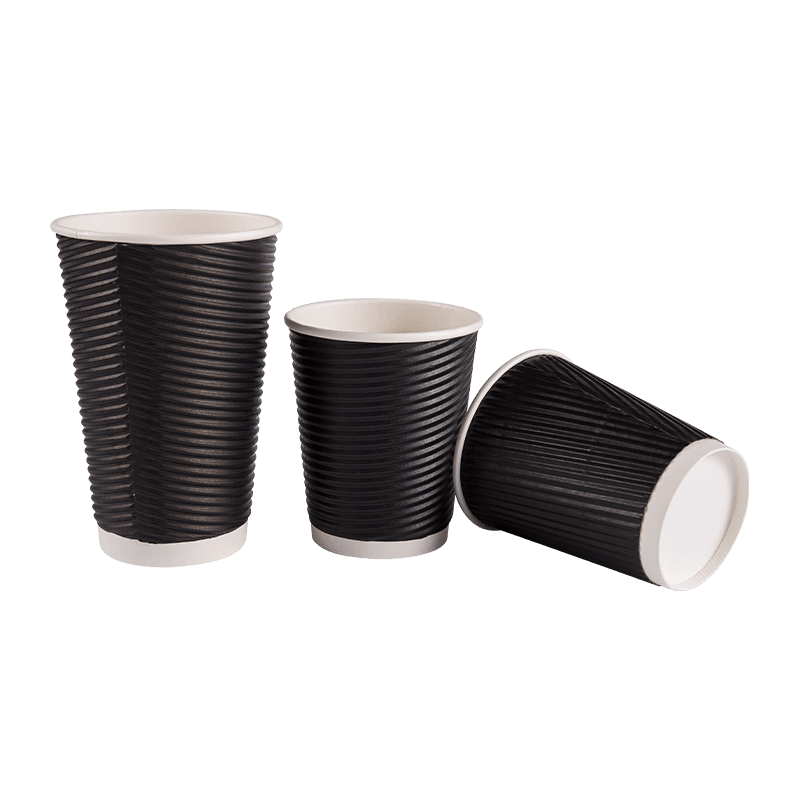
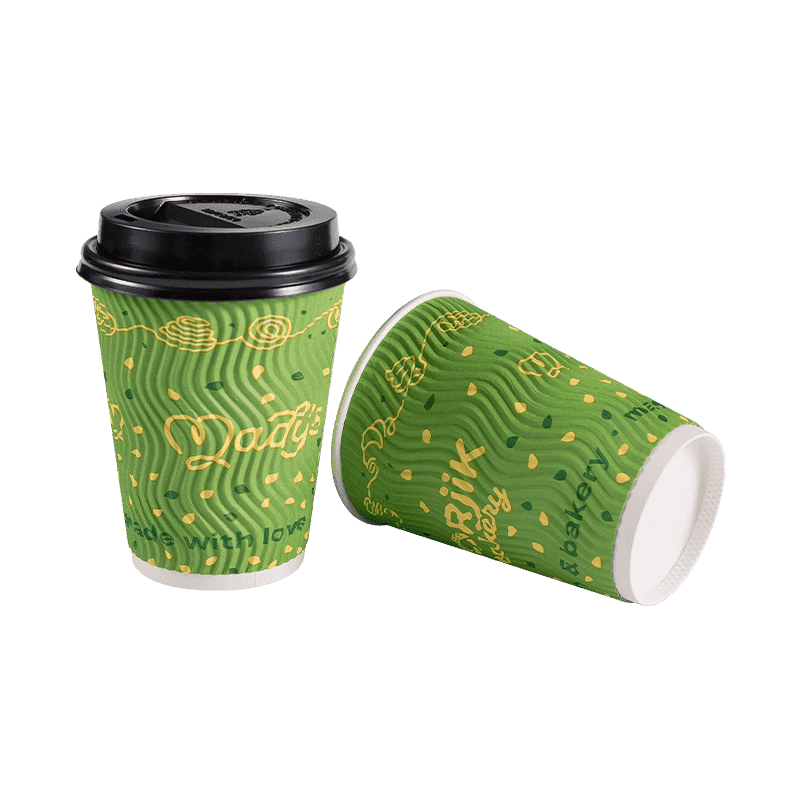
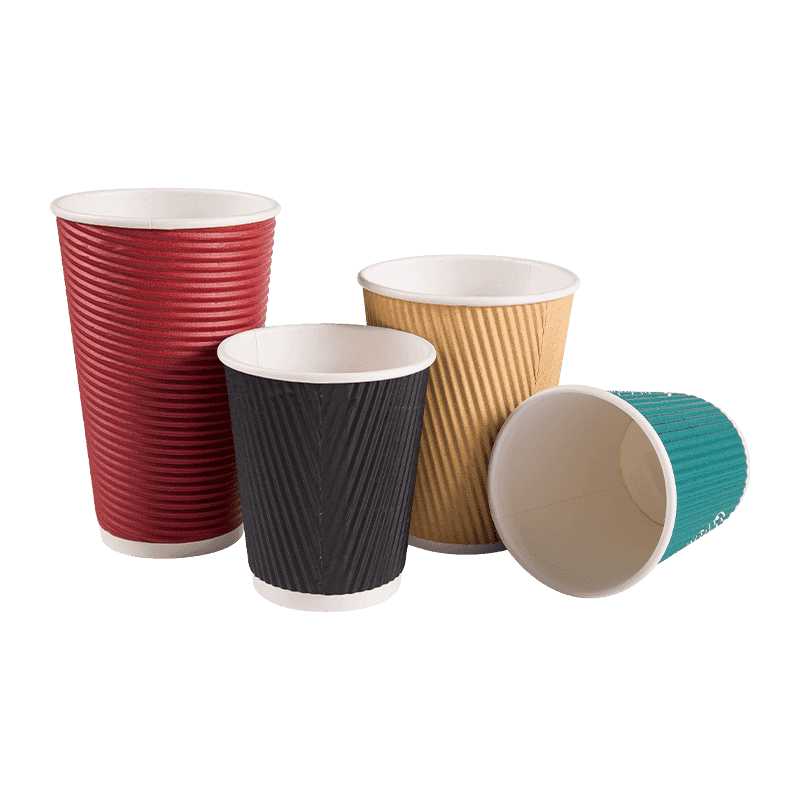
- Ripple-wrap cold cups — A corrugated outer sleeve bonded to a PE-lined inner wall. Provides a grip and slight insulation, used for smoothies and premium cold beverages where the exterior look matters.
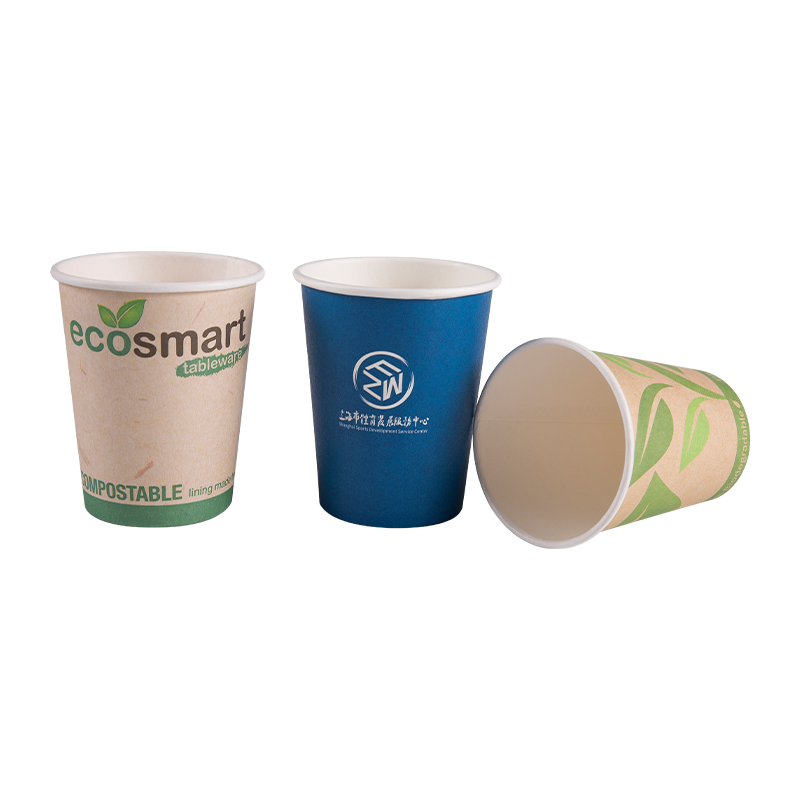
- PLA-lined cold cups — An eco-oriented alternative that replaces PE with polylactic acid (PLA), a plant-derived bioplastic. Appropriate for composting programs, though only in industrial composting facilities.
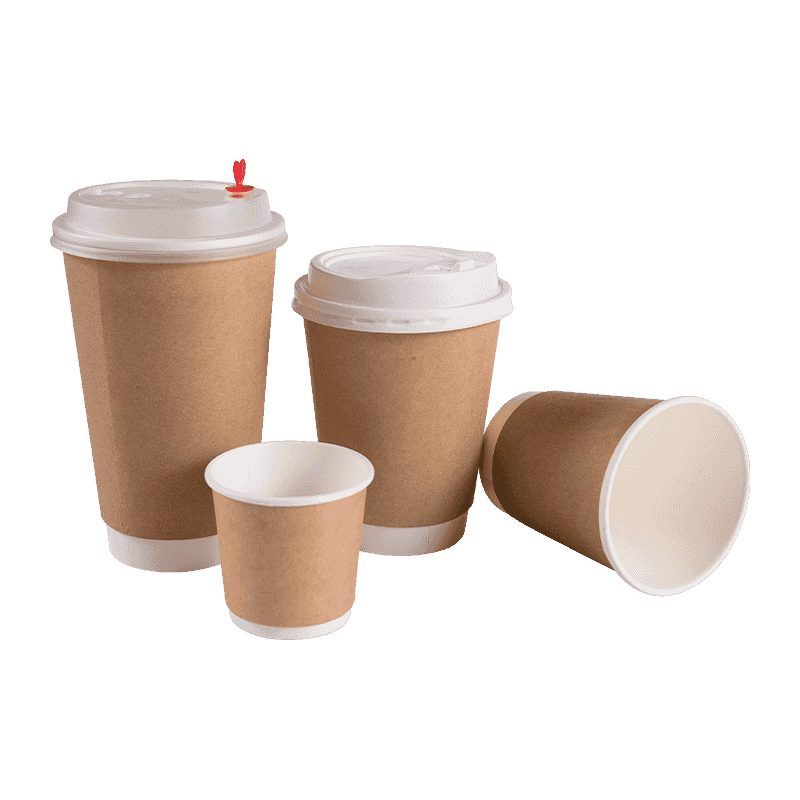
- Double-wall cold cups — Less common but useful in high-end hospitality where condensation on the exterior is a concern. The air gap between walls reduces sweating.
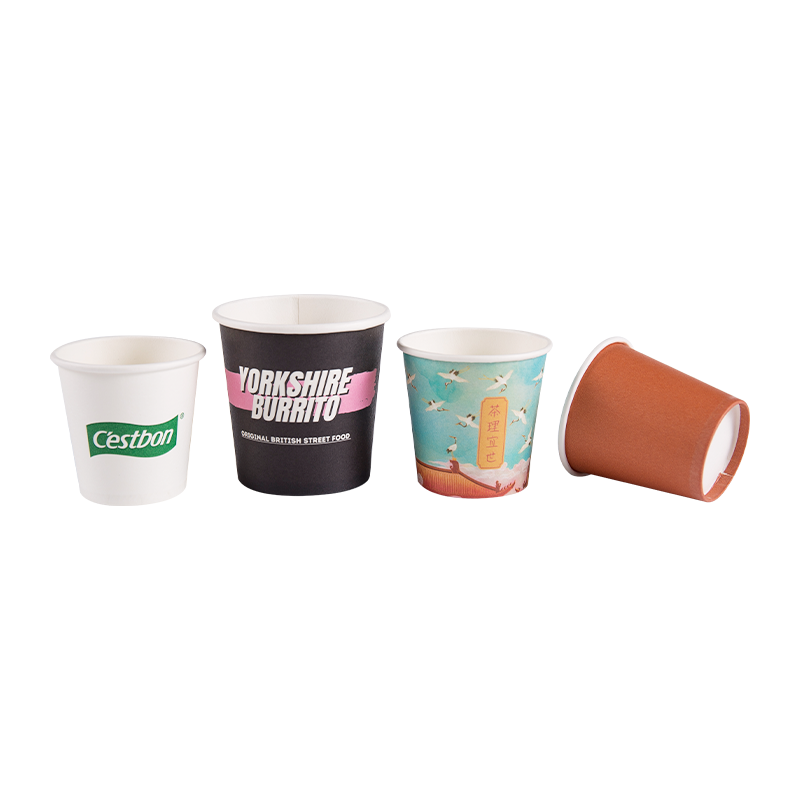
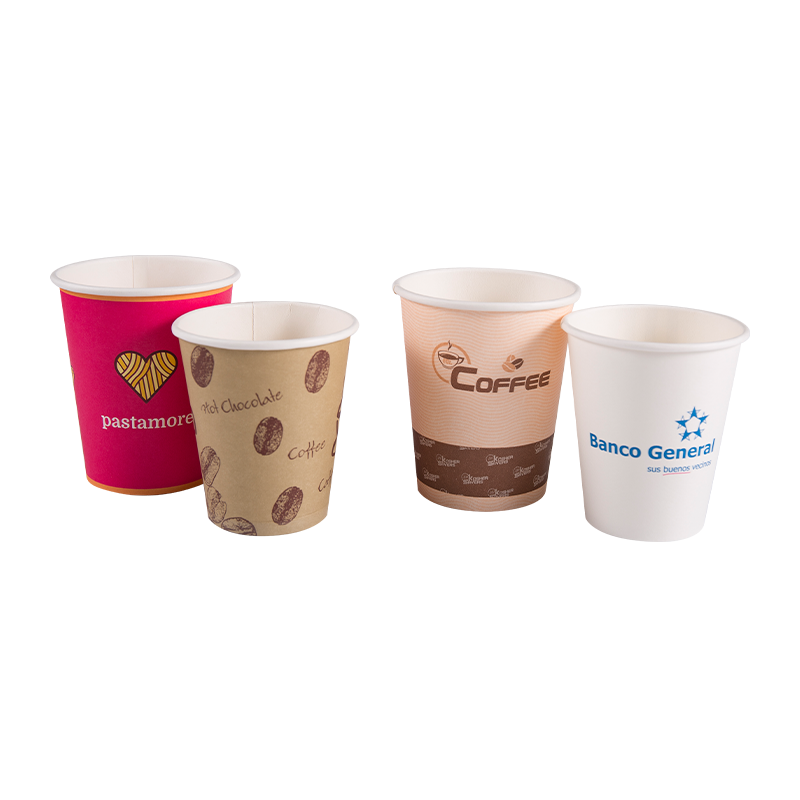
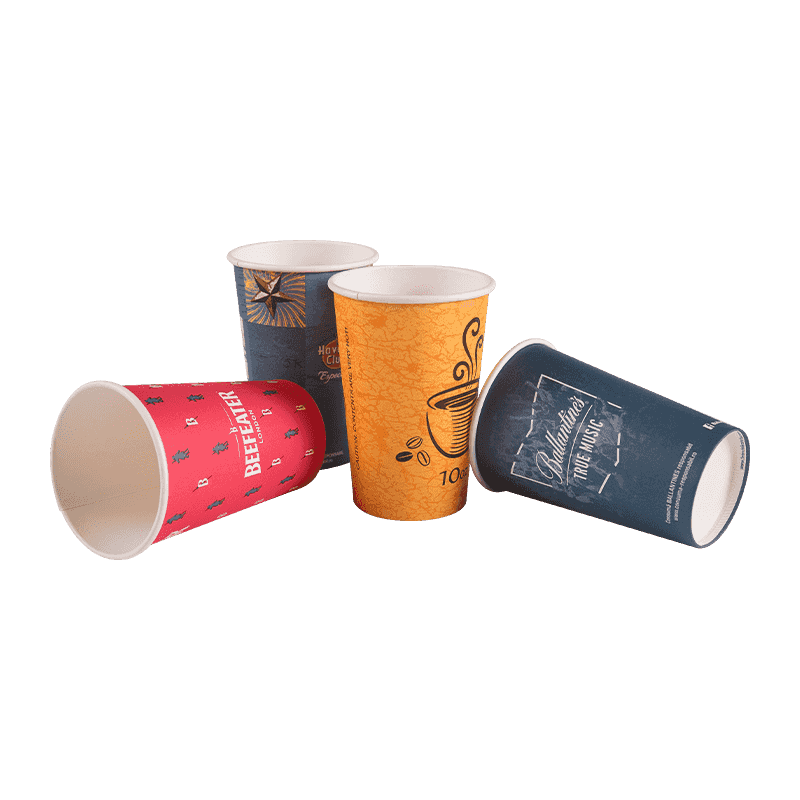
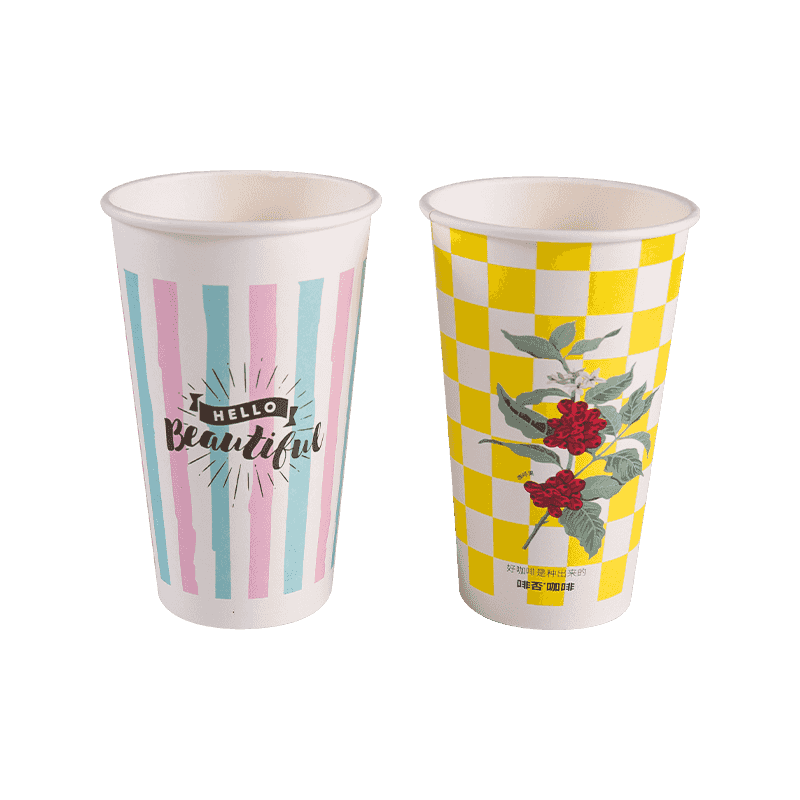
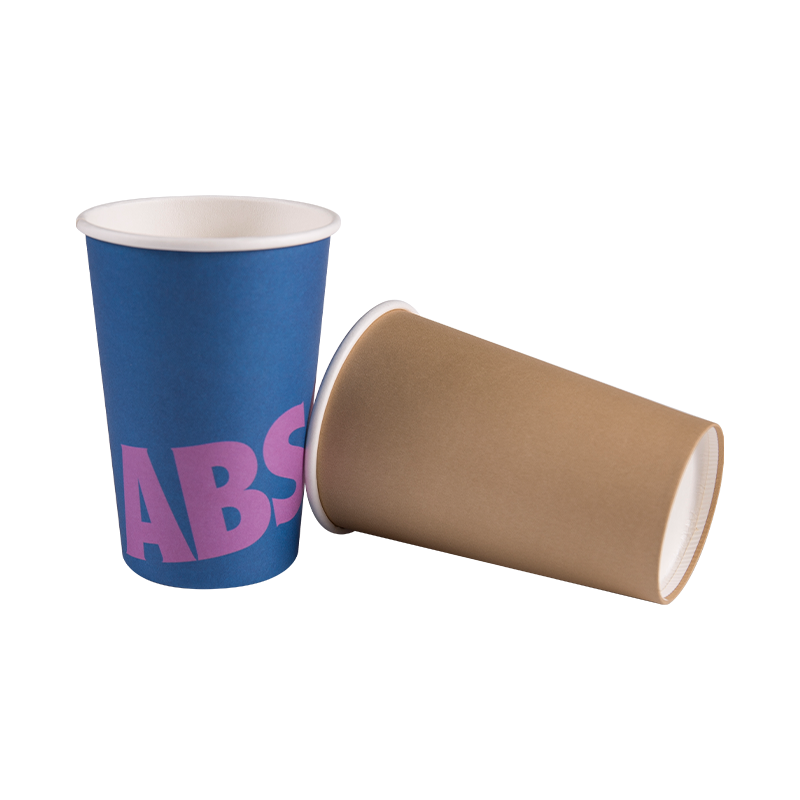
- Printed promotional cold cups — Standard PE-lined cups with full-color branding, typically ordered in volume by chains or event organizers. Minimum order quantities are higher and lead times are longer.
The right type depends on the application: a stadium concession stand has different needs than a specialty juice bar, and an airline caterer has different requirements than a corporate office pantry.
Standard Sizes and Capacity Guide
Paper cups for cold drinks are produced in a fairly standardized range of sizes, though the actual fluid capacity and rim diameter can vary between suppliers. The table below reflects commonly used specifications across the industry:
| Cup Size | Typical Use Case | Approx. Rim Diameter |
|---|---|---|
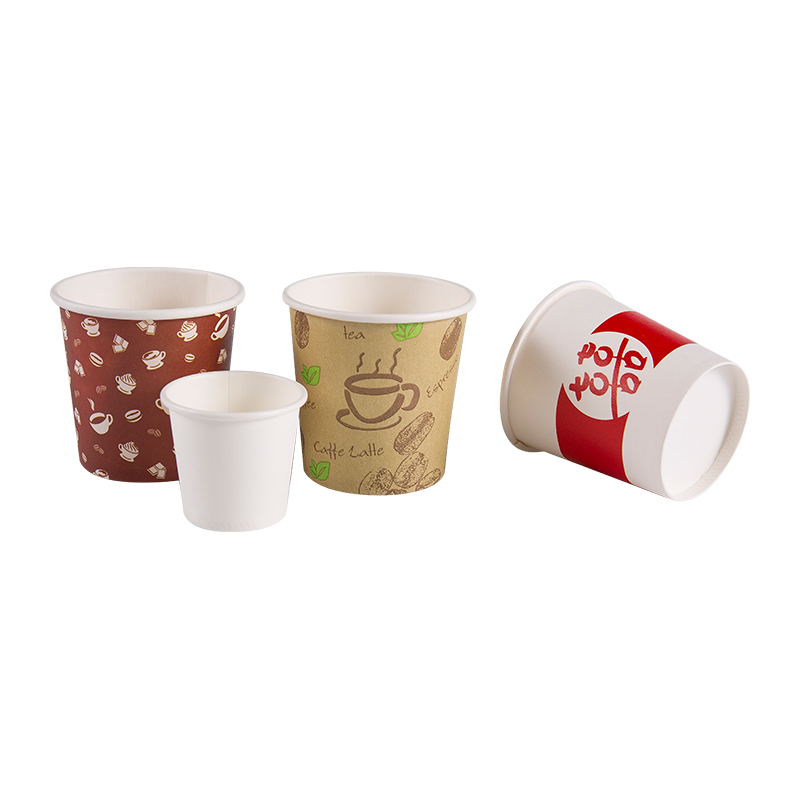
| 8 oz | Juice, water, small cold beverage | ~80 mm |
| 12 oz | Standard cold drink, smoothie | ~90 mm |
| 16 oz | Medium fountain drink, bubble tea | ~98 mm |
| 22 oz | Large cold drink, convenience store | ~107 mm |
| 32 oz | Extra-large, stadium / fast food | ~115 mm |
When sourcing cups with matching lids, always confirm rim diameter compatibility directly with the supplier. Mismatches between cup and lid dimensions are one of the most common and costly procurement errors in foodservice.
Material and Sustainability Considerations
The core material of a paper cup for cold drinks is paperboard—typically food-grade virgin or recycled-content board with a grammage ranging from 190 to 300 gsm depending on cup size and wall structure. The interior lining determines both performance and end-of-life options:
- PE lining: The industry standard. Effective moisture barrier, low cost, but not recyclable through conventional paper recycling streams because the plastic must be separated from the fiber.
- PLA lining: Compostable under industrial conditions (typically 60°C+). Better environmental story, but higher cost and limited composting infrastructure in many markets.
- Aqueous coating: A water-based barrier replacing plastic film. Recyclable in standard paper streams, increasingly available but with slightly lower moisture resistance than PE.
- Clay-coated board: Used occasionally for printing quality rather than moisture resistance; not a standalone liner for cold drinks.
Buyers with sustainability mandates should clarify what certifications matter in their market—FSC for responsible forestry, BPI for compostability (US), or EN 13432 (Europe). Greenwashing is common in the disposable cup space, so requesting third-party certification documentation rather than marketing claims is advisable.
Key Factors When Sourcing Paper Cups in Bulk
For foodservice operators, event planners, or distributors purchasing paper cups for cold drinks at volume, several factors go beyond price per unit:
Minimum Order Quantity (MOQ)
Plain white or stock-print cups typically have low MOQs—sometimes as few as one carton (around 1,000 units). Custom-printed cups require significantly higher volumes, often starting at 50,000–100,000 units, due to the plate and setup costs involved in flexographic or offset printing.
Food Safety Compliance
Cups must comply with local food contact material regulations. In the US, this means FDA compliance; in the EU, it falls under EC 1935/2004 and related regulations. For Chinese manufacturers exporting globally, documentation such as FDA food contact letters, REACH compliance statements, or SGS test reports should be requested and reviewed before placing large orders.
Stacking and Storage
Cold drink cups nest and stack for storage efficiency, but the stacking geometry varies. Cup taper angle affects how tightly cups nest, which in turn affects how many fit in a sleeve and how easy they are to dispense single-handed. High-volume operations should test cup dispensers for compatibility before committing to a new supplier.
Lead Time and Supply Reliability
For custom-printed cups from overseas manufacturers, lead times of 30–60 days after artwork approval are standard. Stock cups can ship much faster. Supply chain disruptions (port congestion, raw material shortages) have made buffer stock planning more important than it was pre-2020, and buyers should factor safety stock into procurement cycles.
 +86-0563-8029081
 +86-0563-8029081
 No. 12 Sanxi Road, Xinqiao Development Zone, Jingde Country, Xuancheng City, Anhui Province.