
 English
 Español
 عربى
عربىContent
Nostalgic Resurgence and Market Positioning
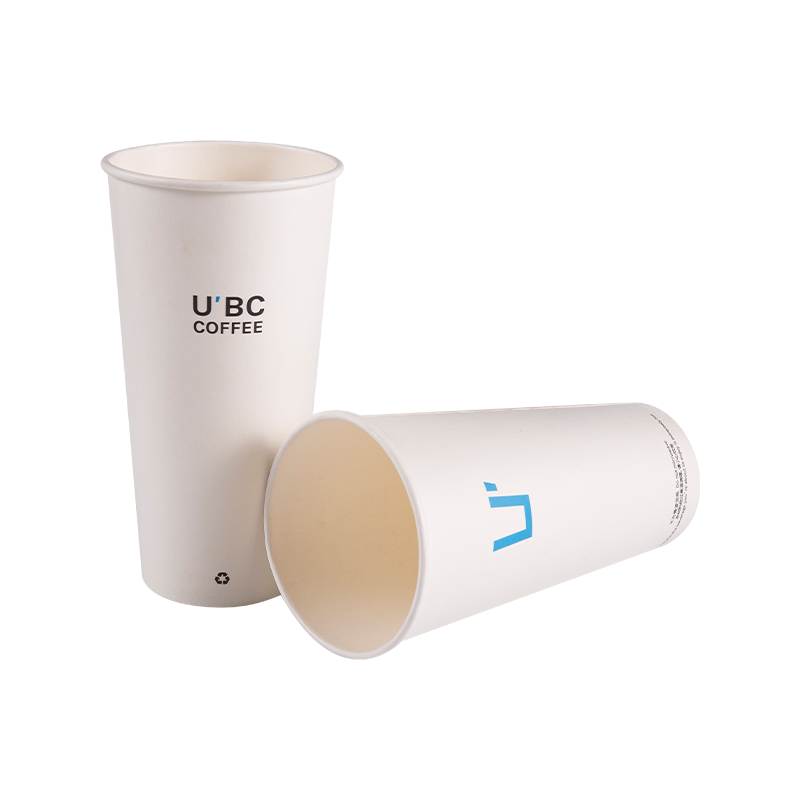
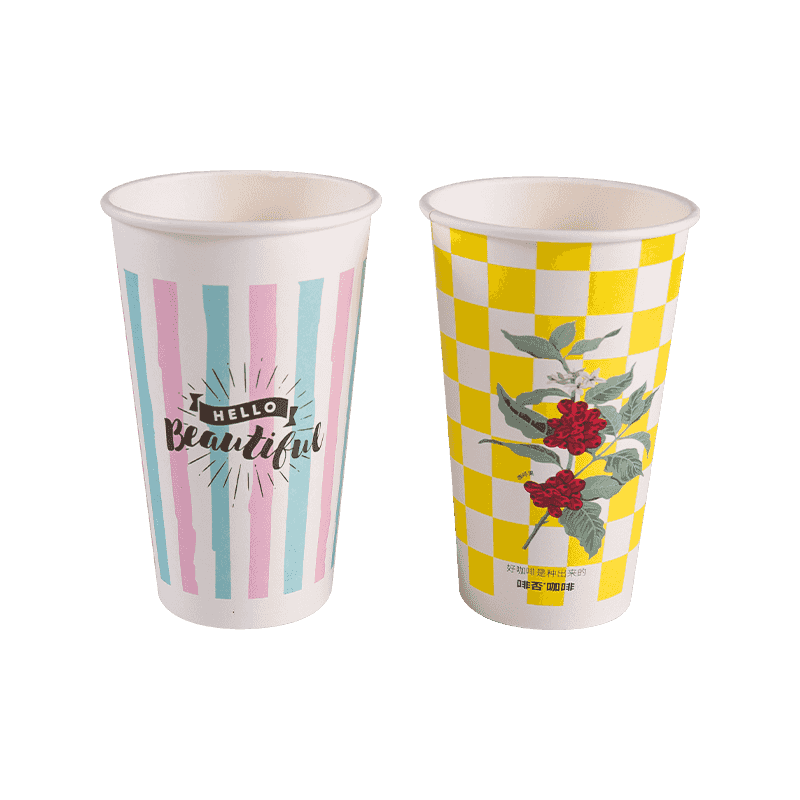
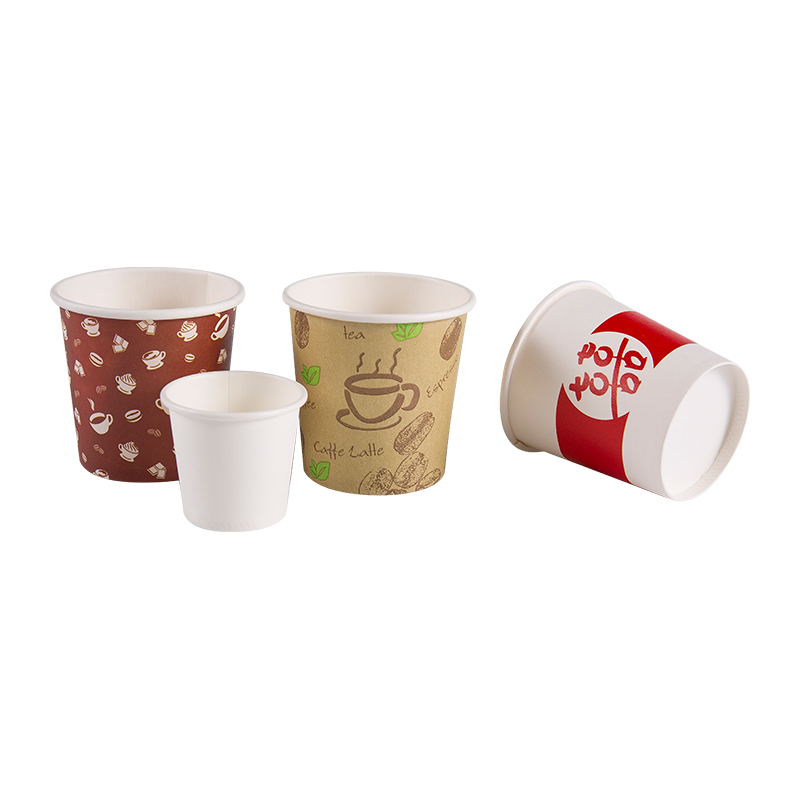
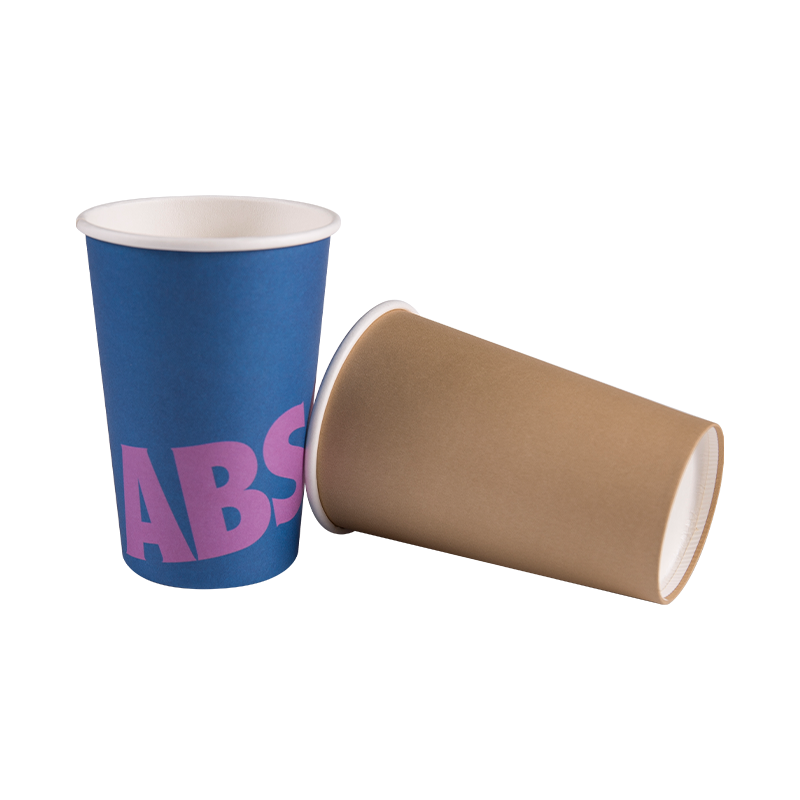
Retro paper cups featuring 80s and 90s design aesthetics have captured significant market share in the specialty beverage sector, with nostalgic packaging increasing consumer engagement by 35-40% among millennials and Generation Z demographics. The single wall paper cup construction typical of vintage designs offers environmental advantages through reduced material usage compared to double-wall alternatives, while the bold geometric patterns and neon color palettes originally popularized in 1985-1995 now signal authenticity and artisanal coffee culture. Major chains and independent cafes report that retro-designed cups generate social media sharing rates 2.5 times higher than minimalist contemporary designs, transforming disposable packaging into marketing assets.
The revival extends beyond aesthetics to manufacturing techniques, with modern producers recreating the tactile qualities of old paper cups through specific paper weights and coating formulations. The global retro packaging market, valued at approximately $4.2 billion across all categories, reflects broader consumer desire for tangible connections to pre-digital eras in an increasingly virtual consumer landscape.
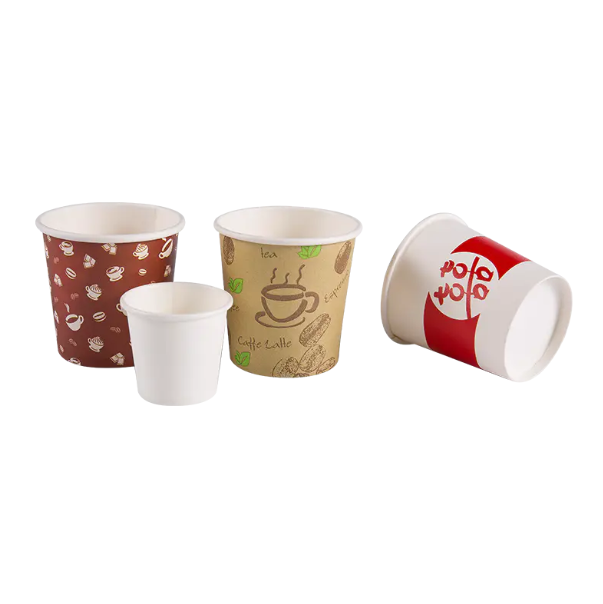
Iconic 80s Paper Cup Design Elements and Color Theory
The 1980s established visual vocabularies for disposable food packaging that remain instantly recognizable and culturally potent four decades later.
Jazz Solo and Memphis Design Influence
The most iconic 80s paper cup design, commonly known as Jazz Solo or Solo Jazz, originated in 1991 but embodied late-80s Memphis design principles through its teal and purple abstract shapes on white backgrounds. This pattern, produced by Sweetheart Cup Company, appeared on approximately 1 billion cups annually at its peak distribution through diners, hospitals, and office break rooms. The design utilized screen printing with up to six spot colors, achieving registration tolerances of 0.5 millimeters on high-speed forming equipment.
Memphis Group influences manifested through asymmetrical geometric compositions, squiggle patterns, and high-contrast color blocking. Teal (Pantone 321), raspberry (Pantone 226), and peach (Pantone 162) dominated palettes, occasionally accented with black outlines defining organic shapes against stark white cup bodies. These designs rejected the earth-tone minimalism of the 1970s in favor of exuberant visual energy matching the decade's economic optimism.
Typography and Brand Presentation
80s paper cup typography favored bold sans-serif fonts with extended character widths, often utilizing Letraset-derived typefaces or custom lettering with 3D drop shadows and chrome effects. Coffee shop branding emphasized all-caps logotypes with letter-spacing of 120-150% of standard metrics, creating visual impact from shelf distance. The integration of geometric sans-serifs with organic blob shapes created distinctive tension characteristic of the era's postmodern graphic design.
| Design Element | 1980s Style | 1990s Evolution | Color Palette |
|---|---|---|---|
| Geometric patterns | Asymmetrical Memphis | Grunge and deconstructivist | Teal to earthy tones |
| Typography | Bold extended sans-serif | Distressed and handwritten | Purple to mauve |
| Motifs | Abstract squiggles and shapes | Florals and ethnic patterns | Peach to sage green |
| Printing technique | Spot color screen | Process color flexography | Neon to muted pastels |
Paper Cup Pattern 90s Evolution and Cultural Shifts
The 1990s marked a transition from 80s exuberance to more organic, multicultural, and deliberately unpolished visual approaches in disposable packaging design.
Grunge Aesthetics and DIY Visual Language
Early 90s paper cup patterns incorporated photocopied textures, halftone distressing, and deliberate registration errors reflecting grunge music's anti-corporate ethos. Coffee chains like Starbucks transitioned from the rigid geometric branding of the 1980s to more organic, hand-drawn illustration styles by 1992. Paper cup designs featured coffee stain textures, torn paper edges, and typewriter fonts suggesting authenticity and craft production rather than industrial uniformity.
Color palettes shifted dramatically from 80s neons to muted earth tones, mauve, sage green, and terracotta, with Pantone reporting 40% reduction in bright red and yellow ink orders between 1988 and 1994. This chromatic restraint reflected broader cultural movements toward environmental consciousness and perceived natural authenticity.
Multicultural Patterns and Global Influences
Mid-90s paper cup design embraced ethnic and folk art patterns including African mud cloth geometries, Southwestern Navajo-inspired weaves, and Pacific Northwest indigenous art motifs. These designs, while sometimes criticized for cultural appropriation, represented attempts to differentiate commodified coffee experiences through visual storytelling. The technical execution utilized improved flexographic printing enabling 133-line screen halftones reproducing complex tonal patterns impossible with 1980s screen printing limitations.
Single Wall Paper Cup Construction and Material Specifications
The single wall construction typical of vintage paper cups offers specific performance characteristics and sustainability advantages driving current revival interest.
Paperboard Grades and Barrier Coatings
Traditional single wall paper cups utilized solid bleached sulfate (SBS) paperboard of 200-280 gsm basis weight with clay-coated top surfaces enabling high-quality print reproduction. The single wall design provided insulation adequate for beverage temperatures to 160 degrees Fahrenheit for 10-15 minute consumption windows, sufficient for the quick-service contexts of 1980s and 1990s coffee culture.
Polyethylene (PE) barrier coatings of 15-30 grams per square meter provided liquid resistance on interior surfaces, applied through extrusion lamination at 300-320 degrees Celsius. Vintage cups utilized LDPE (low-density polyethylene) offering flexibility and heat sealability, while modern retro reproductions increasingly adopt PLA (polylactic acid) bio-coatings for compostability claims.
Manufacturing and Forming Processes
Single wall cup production employs ultrasonic or heat-sealed side seams with overlap widths of 8-12 millimeters ensuring structural integrity. Bottom sealing utilizes heat-crimping forming a mechanical lock between the tapered wall and circular base disk, with seal strengths of 15-20 Newtons preventing leakage under thermal stress. Forming speeds on modern equipment reach 150-200 cups per minute per lane, with multi-lane machines producing 600+ units per minute for high-volume distribution.
Rim rolling creates the characteristic curled lip providing structural rigidity and drinking comfort, with rim diameters of 80-90 millimeters for standard 8-12 ounce capacities. The rim curl adds approximately 15% to the top edge stiffness, preventing collapse during liquid filling and consumer handling.
Modern Retro Reproduction and Sustainability Integration
Contemporary production of retro-designed paper cups balances nostalgic authenticity with evolved environmental responsibilities and technical capabilities.
Digital Printing and Design Fidelity
Modern retro cup production utilizes UV-cured inkjet or flexographic printing achieving 600+ dpi resolution, enabling precise reproduction of vintage patterns with color accuracy within Delta E 2.0 of original Pantone specifications. Digital printing supports economical short runs of 5,000-10,000 units, allowing cafes to offer limited-edition retro designs without the 50,000+ minimum order quantities of traditional plate-based printing.
Design archives and original production films from defunct manufacturers like Lily-Tulip and Sweetheart enable authentic pattern licensing for contemporary retro lines. Intellectual property clearances for Jazz Solo and similar iconic patterns command licensing fees of 3-5% of wholesale value, reflecting their continued commercial potency.
Environmental Improvements and Regulatory Compliance
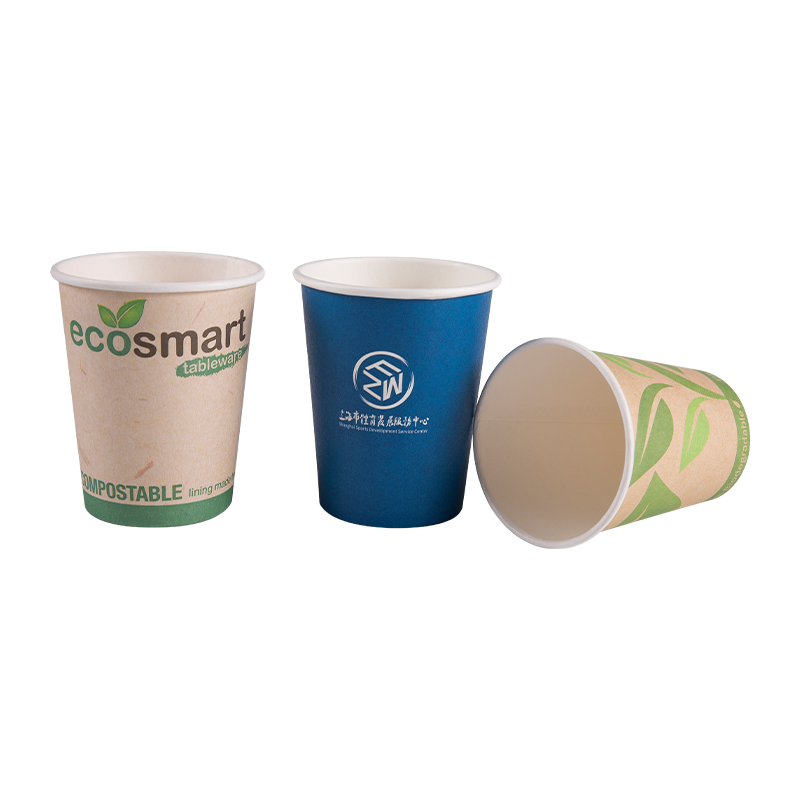
Retro single wall cups address contemporary sustainability concerns through FSC-certified paperboard sourcing, water-based ink formulations, and plastic-free barrier coatings. PLA-lined versions achieve industrial compostability certification (EN 13432 or ASTM D6400) though requiring specific end-of-life infrastructure. The single wall construction reduces material consumption by 25-30% compared to double-wall cups, with the trade-off of reduced insulation addressed through sleeve compatibility or consumption behavior adjustments.
The convergence of nostalgic design appeal with modern sustainable materials positions retro paper cups as a distinctive category within evolving foodservice packaging markets. The visual language of 80s and 90s disposable culture, once emblematic of mass production, now signals craft authenticity and environmental consciousness through material evolution while maintaining the bold aesthetic character that defined the original era.
 +86-0563-8029081
 +86-0563-8029081
 No. 12 Sanxi Road, Xinqiao Development Zone, Jingde Country, Xuancheng City, Anhui Province.