
 English
 Español
 عربى
عربىContent
Can Paper Cups Go in the Microwave?
The short answer is: most standard paper cups are not microwave-safe, and using them in a microwave carries real risks — even if the cup does not visibly melt or catch fire. Understanding why requires a closer look at how paper cups are constructed.
Nearly all disposable paper cups — including common hot beverage cups from coffee shops and fast food restaurants — are coated on the interior with a thin layer of polyethylene (PE) plastic or wax. This lining is what makes the cup waterproof and prevents hot liquid from immediately soaking through the paper wall. In a microwave, however, this lining becomes a liability:
- Polyethylene-lined cups begin to soften and break down at around 176 °F (80 °C). Microwave heating easily exceeds this threshold, causing the lining to partially melt and potentially leach compounds into the beverage.
- Wax-coated cups (more common in cold-drink applications) can release wax into the liquid when heated, altering taste and introducing unwanted substances.
- The paper wall itself absorbs moisture and softens under microwave heat, increasing the risk of structural failure — meaning the cup can collapse or leak mid-use.
- Glued seams on the cup's side and base can separate under heat, resulting in spills and potential burns.
The question can I microwave paper cups therefore depends entirely on the specific product. Unless the cup is explicitly labeled "microwave-safe" by the manufacturer, the safest assumption is that it is not — and the answer to can you microwave a paper cup should default to no.
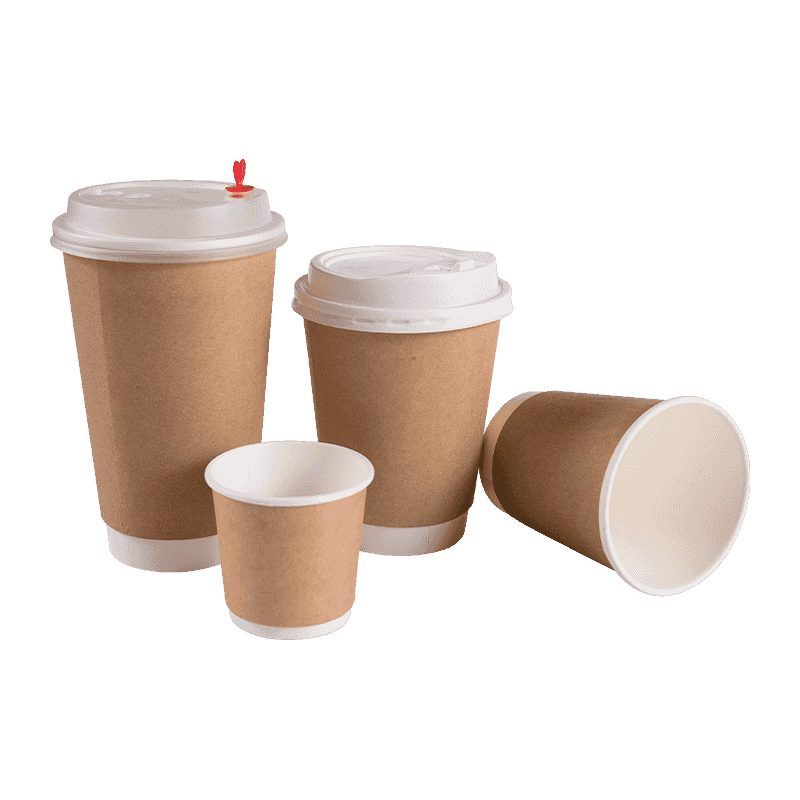
What Makes a Paper Cup Actually Microwave-Safe?
A genuinely microwave-safe paper cup is designed from the ground up for heat exposure. Key differences from a standard disposable cup include:
- FDA-compliant coatings: The interior lining uses materials that meet FDA 21 CFR standards for food-contact use under microwave conditions — typically food-grade PE formulations with higher heat thresholds or plant-based alternatives like PLA (polylactic acid).
- Heavier-weight paperboard: Microwave-rated cups use thicker stock (typically 250 – 350 gsm) that resists structural weakening when exposed to steam and radiant heat simultaneously.
- Reinforced seams: Adhesives rated for elevated temperatures are used at side seams and the bottom joint to prevent separation.
- Explicit labeling: The base or sleeve of the cup will carry a microwave-safe symbol (the microwave icon with wavy lines) or printed text confirming safe use.
If you regularly need to reheat beverages or soups in a disposable cup, investing in microwave-rated paper cups is significantly safer than assuming standard cups will hold up. For occasional reheating at home, transferring the liquid to a ceramic mug remains the most reliable option.
What About Cups with a Paper Sleeve?
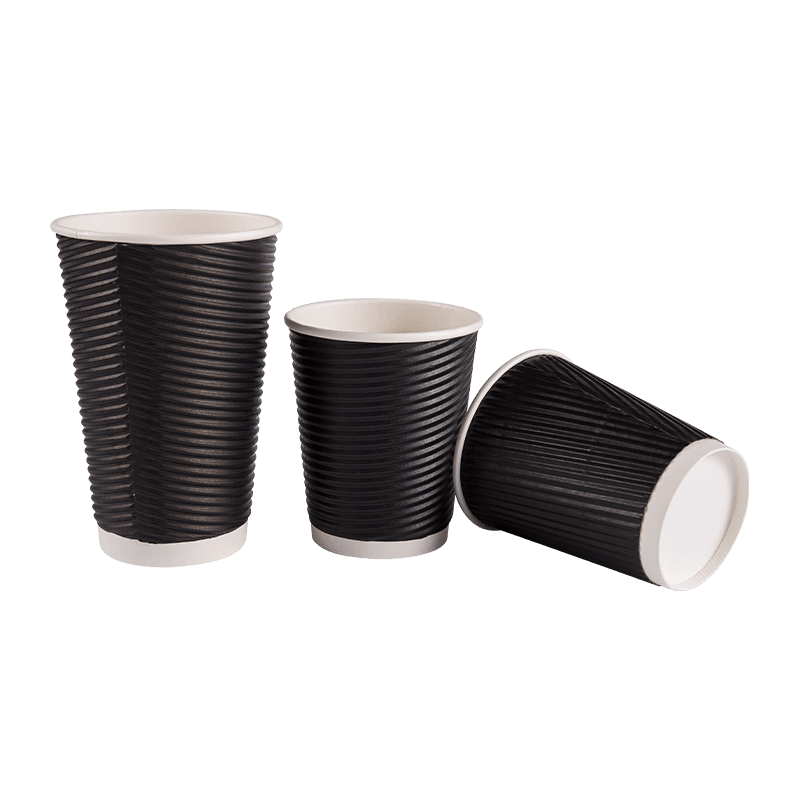
Many coffee shop cups use a corrugated cardboard sleeve over a standard single-wall cup for insulation. The sleeve itself is typically uncoated and poses less concern than the cup lining — but it does not change the microwave suitability of the inner cup. Remove the sleeve before microwaving, and only proceed if the cup itself carries a microwave-safe designation.
Paper Cup Sizes Explained: 3 oz to 24 oz and Beyond
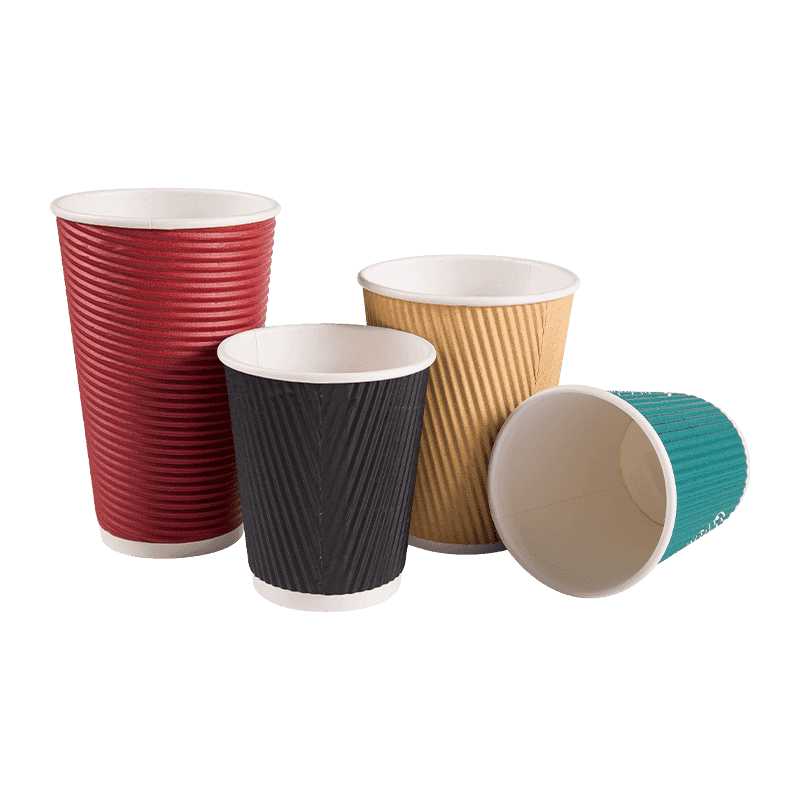
Paper cups are manufactured across a wide range of capacities, each optimized for a specific use case. Choosing the right size reduces waste, controls portion, and ensures the cup's structural rating matches the intended liquid volume and temperature.
3 oz Dixie Paper Cups
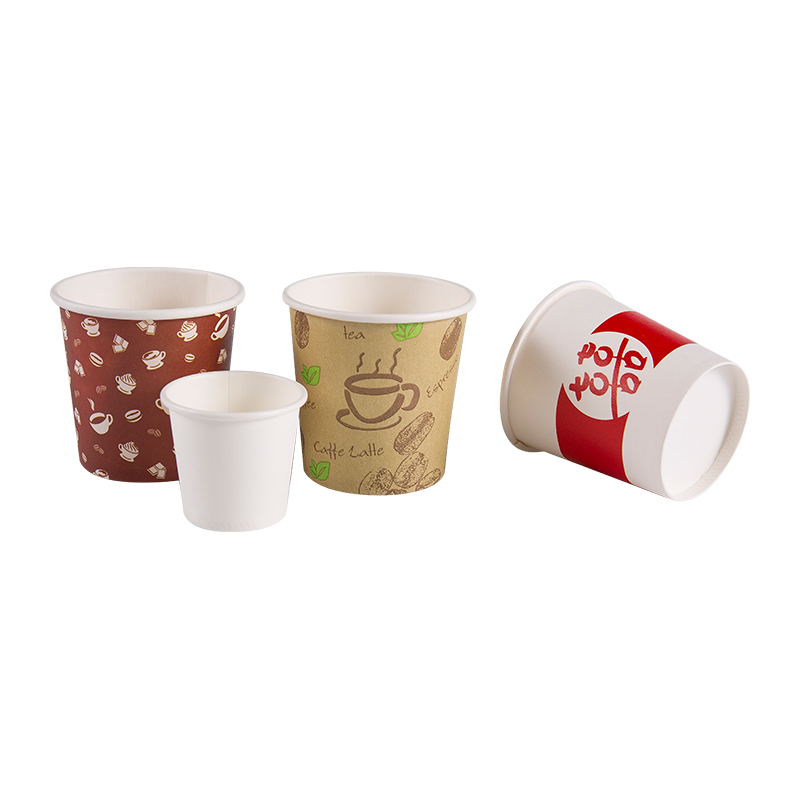
3 oz Dixie paper cups — sometimes called bathroom cups or condiment cups — are the smallest standard size widely available to consumers. At roughly 2.5 inches tall with a top diameter of about 2.4 inches, they hold approximately 3 fluid ounces (90 mL). Common applications include:
- Bathroom dispensers for rinsing or taking medication
- Condiment portions (ketchup, sauce, dressing) in food service
- Sample-size servings at tastings or events
- Portion control for snacks, pills, or small crafts supplies
At this size, the cup is almost always cold-use only — the small volume and thin wall construction make it unsuitable for hot beverages or microwave use. Dixie's 3 oz bathroom cup line is one of the most widely distributed in North America and is sold in packs of 100 to 500 at most grocery and big-box retailers.
Paper Cup 7 oz
The 7 oz paper cup is one of the most versatile sizes in the disposable cup market, bridging the gap between small bathroom cups and full-size beverage cups. At approximately 3.5 inches tall with a top diameter around 3.1 inches, a 7 oz cup comfortably holds a standard single espresso with milk, a children's cold drink, or a measured portion of juice or water. This size is common in:
- Office water cooler dispensers
- Healthcare settings for patient hydration
- School cafeterias and sports events
- Small hot beverages (coffee, tea) when a hot-rated version is used
Hot-rated 7 oz cups are available with double-wall construction or PE liners rated for temperatures up to 200 °F (93 °C). Always confirm the heat rating on the packaging if the cup will be used for hot liquids.
24 oz Paper Cups
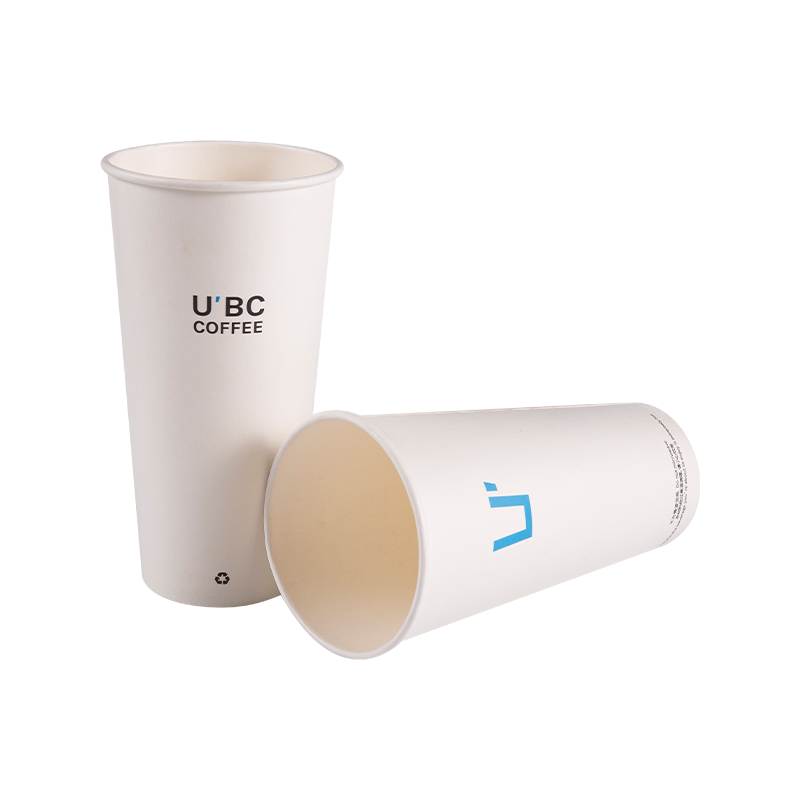
24 oz paper cups represent the large end of the standard consumer and foodservice range — equivalent to 1.5 US pints or approximately 710 mL. At roughly 5.5 inches tall with a top diameter around 3.7 inches, they are designed primarily for cold beverages: fountain drinks, iced coffee, smoothies, and lemonade. Key considerations for 24 oz cups:
- Cold use: The large surface area and standard-weight paperboard make most 24 oz cups unsuitable for hot liquids, as the thermal load can weaken the sidewall.
- Lid compatibility: 24 oz cups typically accept a dome or flat lid in the 3.7-inch diameter size — confirm lid compatibility when ordering cups and lids separately.
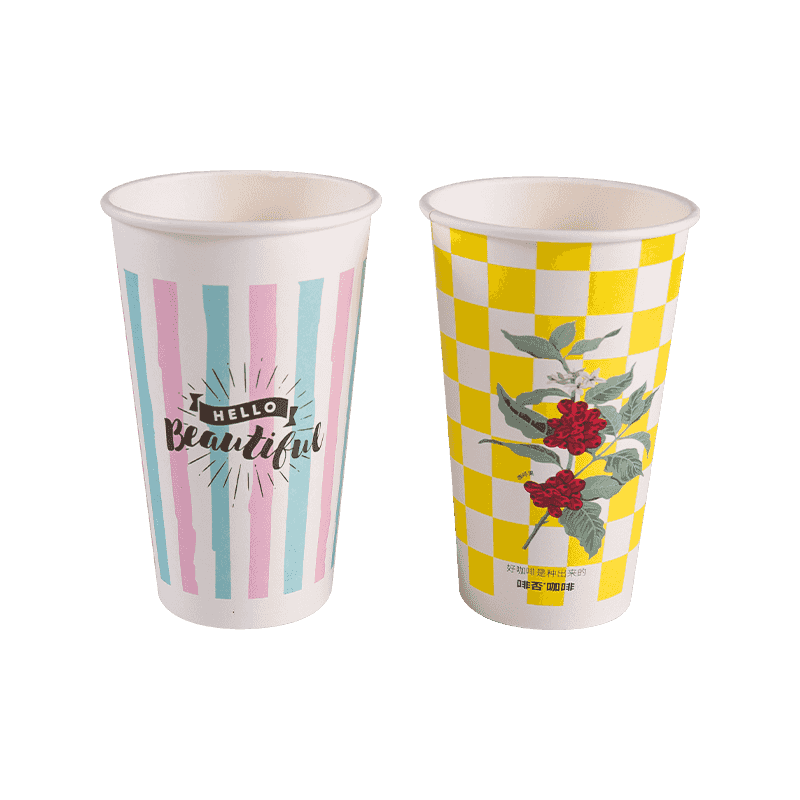
- Printing and branding: The larger sidewall area makes 24 oz cups a popular choice for custom-printed branded cups in coffee shops, juice bars, and event catering.
- Microwave suitability: Standard 24 oz paper cups are not microwave-safe. At this volume, reheating in a microwave also creates a significant steam pressure risk — transfer contents to a microwave-safe container instead.
Paper Cup Size Comparison at a Glance
| Size | Volume (mL) | Approx. Height | Typical Use | Microwave-Safe? |
|---|---|---|---|---|
| 3 oz (Dixie) | 90 mL | ~2.5 in | Bathroom, condiments, samples | No |
| 7 oz | 207 mL | ~3.5 in | Water cooler, hot drink (hot-rated only) | Only if labeled |
| 12 oz | 355 mL | ~4.1 in | Standard coffee, cold drinks | Only if labeled |
| 16 oz | 473 mL | ~4.8 in | Large coffee, fountain drinks | No |
| 24 oz | 710 mL | ~5.5 in | Iced drinks, smoothies, branded cups | No |
Safe Alternatives When You Need to Microwave a Drink
If the goal is to reheat a beverage quickly, there are safer and more practical options than microwaving a standard paper cup:
- Ceramic or glass mugs: The default choice for microwave reheating. Look for the microwave-safe symbol on the base; avoid mugs with metallic glaze or handles with metal trim.
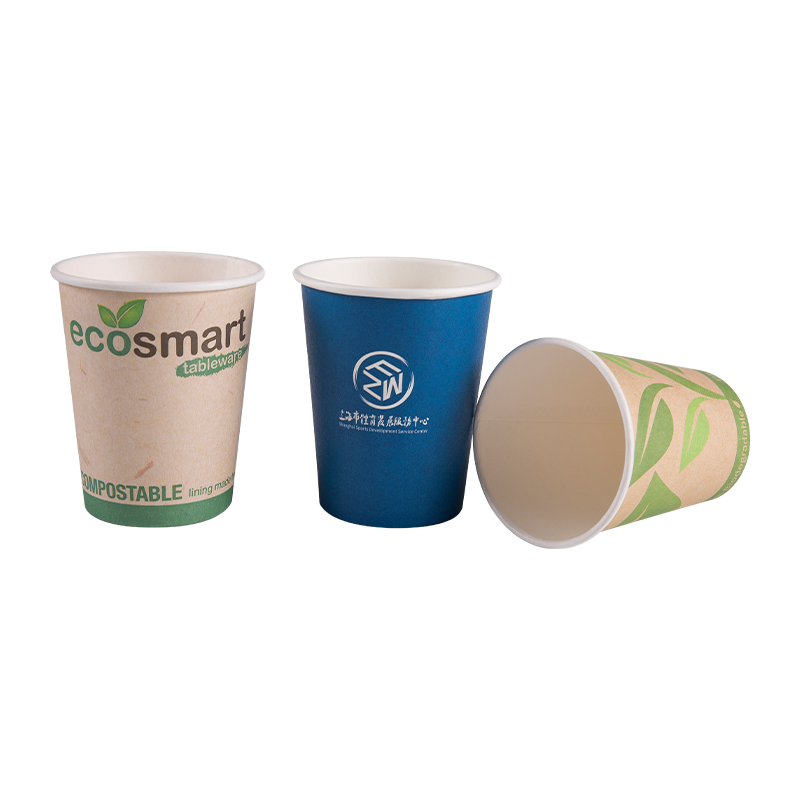
- Microwave-rated paper cups: A growing number of manufacturers now produce paper cups tested and certified for microwave use. These are clearly labeled and use heat-stable interior coatings. Useful in foodservice settings where washing up is not practical.
- Microwave-safe plastic cups: Reusable cups marked with the microwave-safe symbol and made from polypropylene (PP, recycling code 5) can be used for reheating — though single-use plastic cups should never go in the microwave regardless of material.
- Transfer to a bowl: For soups or liquid-heavy foods originally served in a paper cup, pouring into a microwave-safe bowl before heating is the safest and most effective approach.
The bottom line: can paper cups go in the microwave? Only if they explicitly say so. For every other paper cup — from the 3 oz Dixie bathroom cup to a 24 oz cold drink cup — the safest, smartest answer is to transfer first and heat in a vessel designed for the task.


 +86-0563-8029081
 +86-0563-8029081
 No. 12 Sanxi Road, Xinqiao Development Zone, Jingde Country, Xuancheng City, Anhui Province.