
 English
 Español
 عربى
عربىContent
- 1 Paper Cup Sizes: A Complete Reference for Every Application
- 2 7 oz Paper Cups: Uses, Dimensions, and Why This Size Endures
- 3 Design for Paper Cup: Technical Requirements and Creative Considerations
- 4 Paper Cup Pattern: Trends, Approaches, and What Works in Print
- 5 Material, Sustainability, and Regulatory Factors in Cup Design
Paper Cup Sizes: A Complete Reference for Every Application
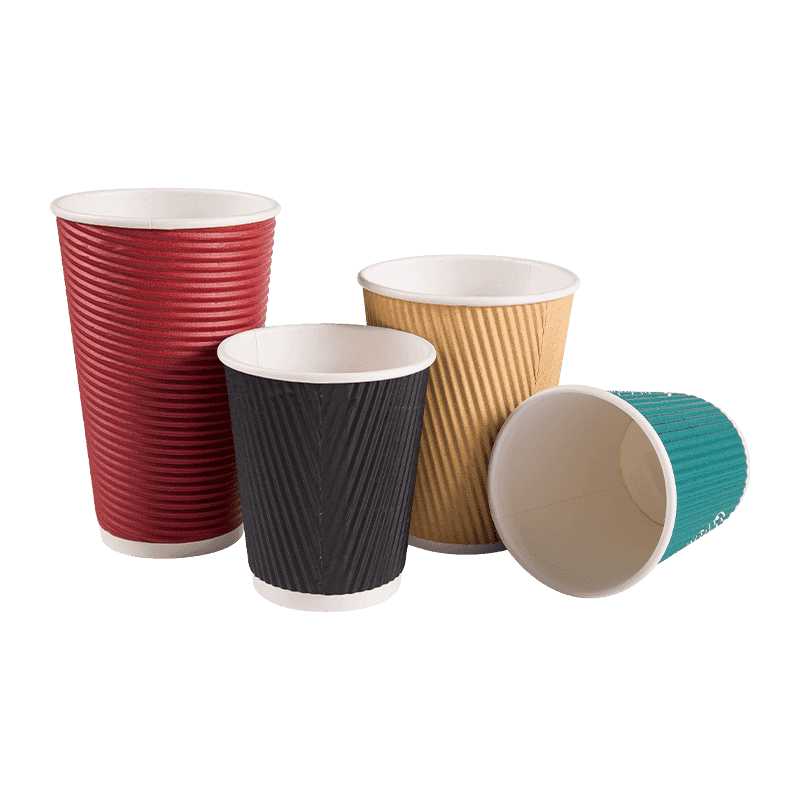
Paper cup sizes follow a standardized range that spans from single-shot espresso cups to large cold drink cups used in quick-service restaurants. Each size is defined by its fluid ounce capacity, which corresponds to specific blank dimensions—the flat sheet of paperboard that is die-cut, printed, and formed into the final cup shape. Choosing the right size affects not only portion control and consumer experience but also blank cost, lid compatibility, sleeve sizing, and storage efficiency.
The most common paper cup sizes in commercial and foodservice use are:
- 2 oz (condiment / sauce cup): Used for dipping sauces, dressings, and shot-size servings. Small diameter, minimal blank area.
- 4 oz (juice / espresso cup): Common for freshly squeezed juice shots, espresso servings, and children's drink portions at fast food outlets.
- 7 oz (water cooler / hot cup): The standard water cooler cup size globally. Also used for small hot beverages in office and healthcare environments.
- 8 oz (short hot cup): Common café size for an 8-ounce latte or cappuccino. Fits most standard coffee sleeves and lids.
- 10–12 oz (medium hot/cold cup): The most widely sold paper cup size globally for drip coffee and medium cold drinks.
- 16 oz (large cold cup): Standard for large iced beverages; accommodates a dome lid with room for whipped toppings.
- 20–24 oz (extra-large cold cup): Used at high-volume beverage chains for large and extra-large cold drinks.
Sizing is not fully universal—there is no single global standard governing paper cup dimensions, which means a "12 oz cup" from one manufacturer may have a different top diameter than another's. Top diameter, bottom diameter, and height together define cup geometry and determine lid and sleeve compatibility. When switching cup suppliers, always verify these three dimensions against your existing lids before committing to a new run.
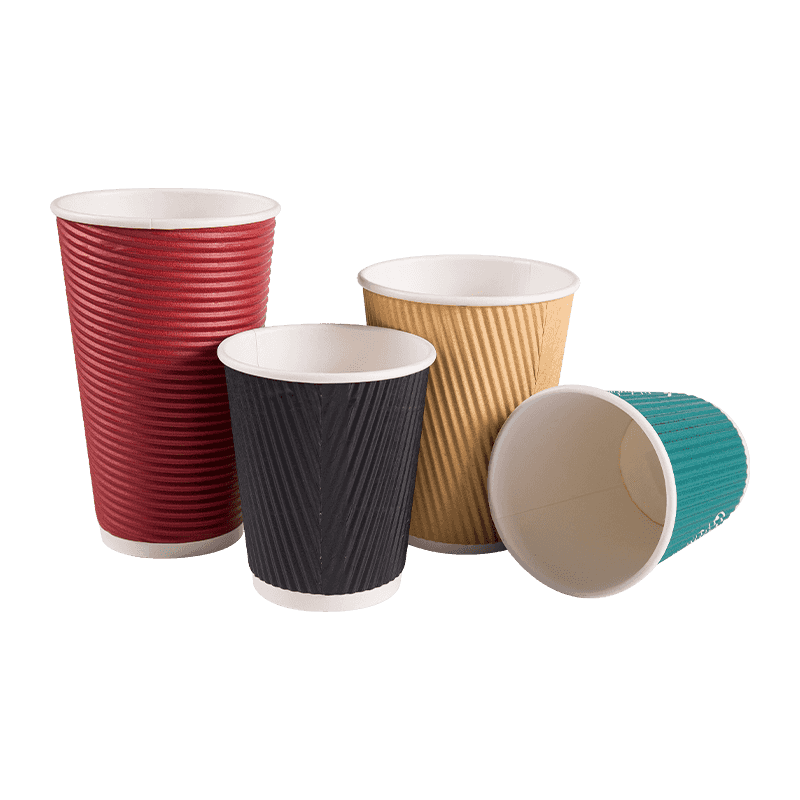
7 oz Paper Cups: Uses, Dimensions, and Why This Size Endures
7 oz paper cups occupy a unique position in the market: they are the dominant size for point-of-use water dispensers—both bottled water coolers and plumbed-in units—and also serve as a standard small hot-drink cup in healthcare, office, and institutional settings. Their longevity as a category standard reflects a practical balance between sufficient volume for a meaningful drink and compact stacking dimensions that minimize dispenser footprint.
Typical Dimensions
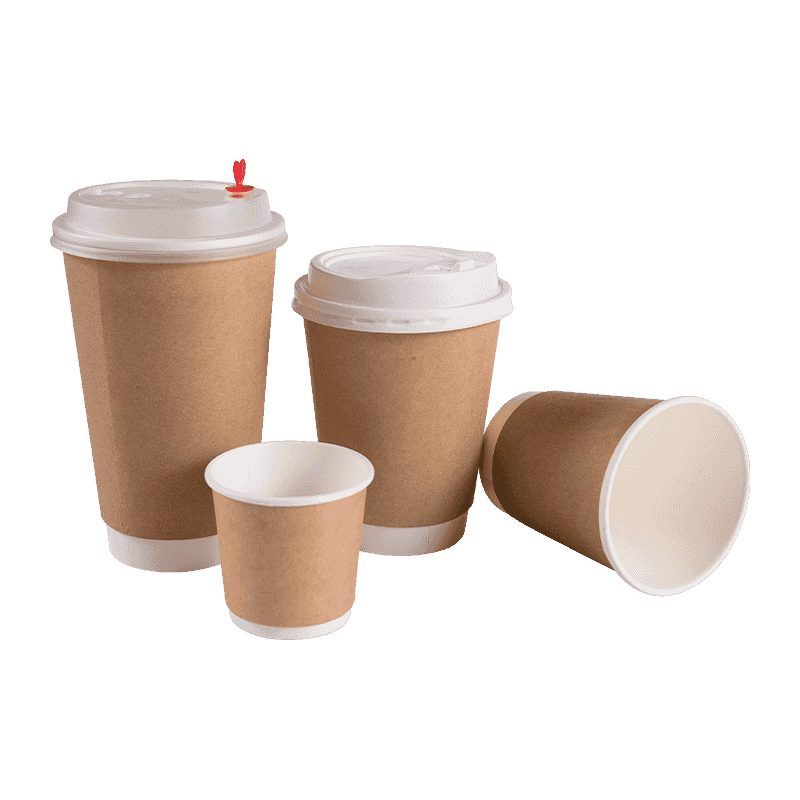
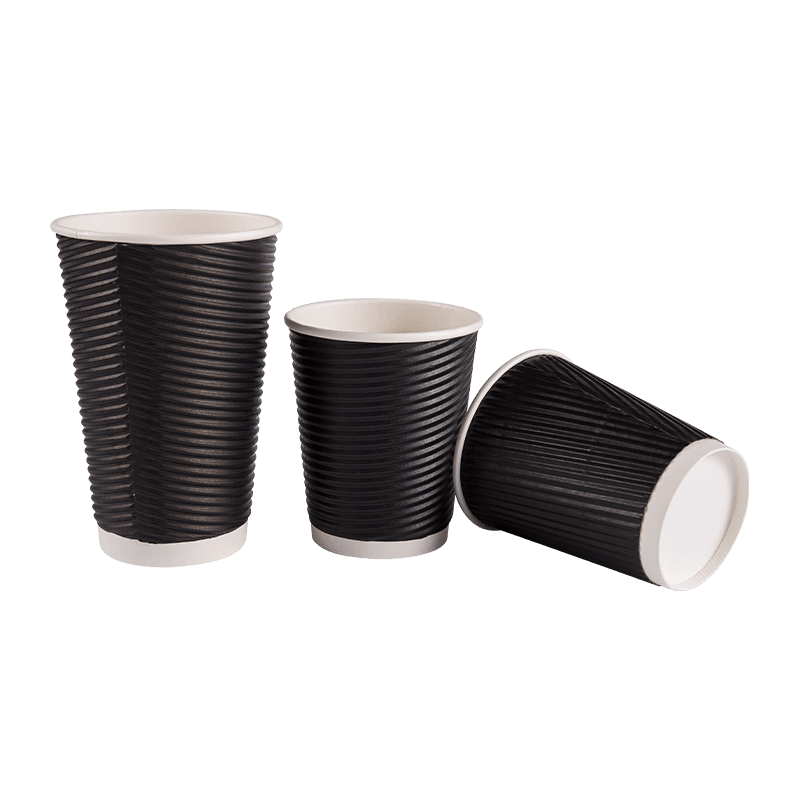
A standard 7 oz paper cup typically measures approximately 3.1 inches (79mm) in top diameter, 2.0 inches (51mm) in bottom diameter, and 3.5 inches (89mm) in height. Wall angle and exact dimensions vary slightly between manufacturers and between hot and cold variants of the same nominal size. Cold cups at 7 oz tend to have thinner single-ply walls, while hot cups use a heavier paperboard grade or a double-wall construction to provide adequate insulation and structural rigidity when filled with beverages above 70°C.
Hot vs. Cold Variants at 7 oz
The distinction between hot and cold 7 oz cups goes beyond paperboard weight. Hot cups are coated on the interior with a thin layer of polyethylene or a bio-based alternative that prevents liquid absorption and maintains structural integrity at elevated temperatures. Cold cups may use a lighter coating or rely on wax treatment. Using a cold cup for hot beverages accelerates delamination at the seam and can cause the cup to collapse—a common complaint when procurement teams conflate the two product types.
For branded 7 oz water cooler cups, the small printable area—roughly 18 to 22 square inches of usable blank surface—places constraints on design complexity. Simple logos, single-color background fields, and short taglines perform best at this size. Detailed illustration or small-point typography risks legibility loss during the flexographic printing process used for most high-volume paper cup production.
Design for Paper Cup: Technical Requirements and Creative Considerations
A successful design for paper cup must account for the physical transformation the artwork undergoes during manufacturing. The cup blank is a flat trapezoid—a truncated sector of a circle—that is wrapped and heat-sealed into a conical tube, then fitted with a bottom disc. Any artwork created on a flat plane will distort as it wraps around the curved surface, and any element that crosses the side seam will be interrupted by a visible overlap of 3 to 6mm.
Artwork File Preparation
Most cup manufacturers require artwork supplied as a die-line template in the correct blank shape for the specific cup size and machine format. The die-line accounts for the wrap angle and taper so that when the flat design is viewed on the formed cup, horizontal elements appear level and text reads correctly. Designing on a rectangular canvas and simply handing it to a converter without applying the blank template is the single most common cause of first-article rejection in custom cup projects.
Key artwork requirements for print-ready cup files:
- Color mode: CMYK for offset and digital printing; spot Pantone colors for flexographic printing. RGB artwork must be converted before submission—screen colors do not translate predictably to print.
- Resolution: Minimum 300 DPI at final print size for raster elements. Vector artwork (logos, type) should be supplied as outlines to eliminate font substitution issues.
- Bleed: Typically 3mm bleed on all edges of the blank; confirm with the converter as this varies by machine and cup size.
- Safe zone: Keep critical content—logos, legal text, barcodes—at least 5mm from all trim edges and away from the seam overlap zone.
- Food-safe inks: Confirm that all inks and coatings are food-contact compliant for the intended use (hot beverages, cold beverages, or dry contents).
Design Strategy by Cup Size
Larger cups—16 oz and above—provide enough printable area to support full-coverage background colors, photographic imagery, layered typography, and narrative brand storytelling. Smaller cups (4–8 oz) benefit from restrained designs: a bold logo, a strong background color, and minimal additional text. At 7 oz and below, a single-color or two-color design is often more impactful than an attempt to replicate a complex identity that was designed for larger formats.
Paper Cup Pattern: Trends, Approaches, and What Works in Print
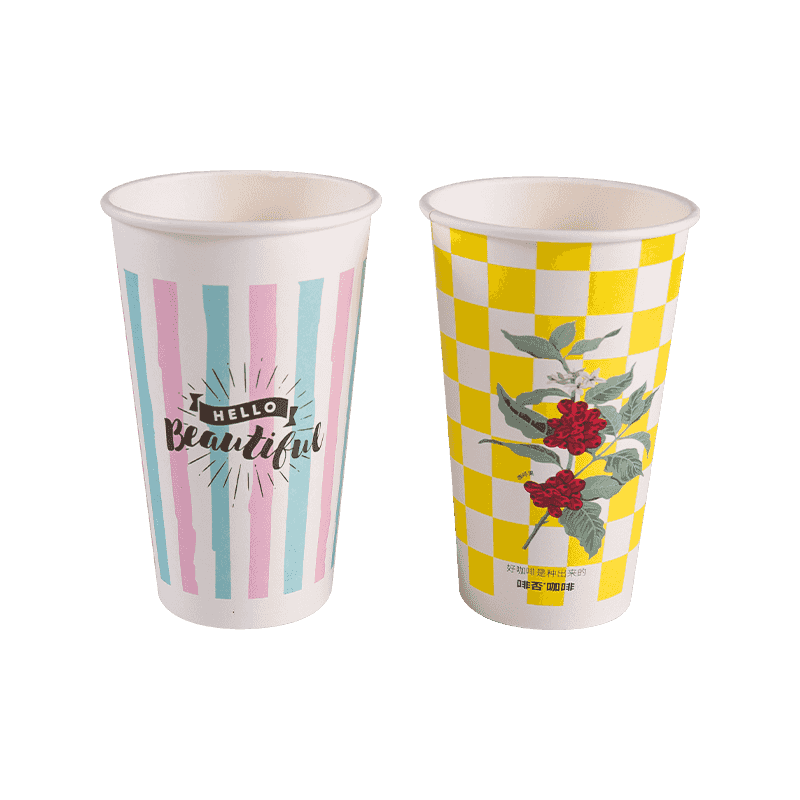
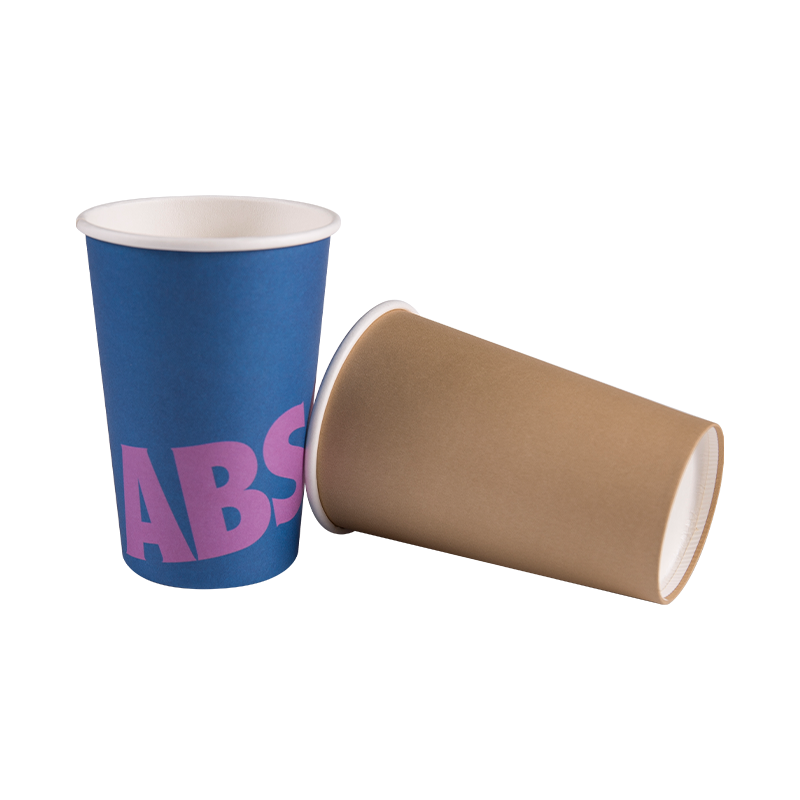
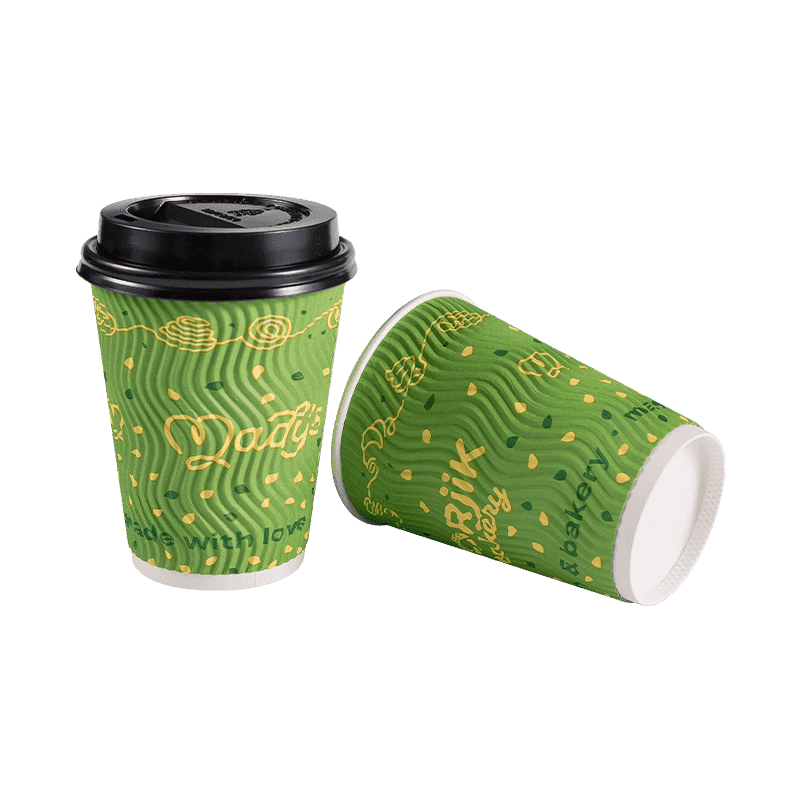
A paper cup pattern refers to a repeating graphic motif applied across the cup surface—distinct from a logo-centric design that treats the cup as a billboard for a single mark. Patterns have become a dominant visual strategy in specialty coffee, premium water service, and seasonal beverage campaigns because they create immediate shelf distinction, can be produced cost-effectively at scale, and work well across multiple cup sizes without significant redesign.
Pattern Types and Their Applications
- Geometric repeat patterns: Triangles, hexagons, chevrons, and grid-based motifs reproduce consistently in flexographic printing and scale well between 7 oz and 20 oz formats. They communicate modernity and precision—well-suited to tech offices, premium water cooler programs, and corporate café environments.
- Botanical and nature-inspired patterns: Leaf, floral, and organic motifs have seen strong growth in the specialty coffee and wellness beverage segments. These patterns communicate natural ingredients and craft positioning. They require more colors to print well (typically 4–6 Pantone spot colors) and demand higher converter capability.
- Typography-as-pattern: Repeating brand phrases, hashtags, or values in a tiled layout. Effective for campaigns that want consumers to engage with messaging as they hold the cup. Works best at 12 oz and above where type remains legible in a reduced repeat scale.
- Seasonal and limited-edition patterns: Snowflake, harvest, floral bloom, and holiday motifs rotated quarterly or annually. This strategy is employed by major chains to drive social sharing and create collectability. The underlying cup structure stays constant; only the printed blank changes, keeping tooling costs low.
Technical Considerations for Seamless Patterns
A pattern designed on a flat blank must tile seamlessly when the blank is wrapped into a cup. This requires that the pattern repeat be set up with the blank's wrap angle in mind so that the left and right edges of the blank connect without a visible jump at the seam. Most professional cup design briefs specify a "pattern match at seam" requirement, which the designer must address by testing the layout on a 3D mockup or using converter-supplied blank templates with seam overlap guides.
Color count directly affects pattern cost. Each additional Pantone color in a flexographic run adds a print station, increases makeready time, and raises the minimum order quantity at which the run becomes economical. For patterns being produced at volumes below 50,000 units per SKU, limiting the design to two or three spot colors—or using digital printing for short-run flexibility—significantly reduces unit cost without requiring a compromise in visual quality.
| Printing Method | Typical MOQ | Color Capability | Best For |
|---|---|---|---|
| Flexographic | 50,000–250,000+ | 2–8 spot colors | High-volume branded cups, chain programs |
| Offset Lithography | 10,000–50,000 | Full CMYK + spot | Photographic designs, complex patterns |
| Digital Inkjet | 500–10,000 | Full CMYK | Short runs, seasonal SKUs, sampling |
Material, Sustainability, and Regulatory Factors in Cup Design
The paperboard substrate chosen for a cup affects not only print quality but also sustainability claims, regulatory compliance, and end-of-life recyclability. Standard single-use paper cups use a PE (polyethylene) inner lining that provides liquid resistance but complicates fiber recycling—the plastic must be separated from the paper pulp, which most standard paper mills cannot do. This has driven adoption of alternative lining materials including PLA (polylactic acid, a plant-based bioplastic), aqueous dispersion coatings, and double-wall construction that reduces the need for a heavy coating by providing insulation through air gap.
For brands making sustainability claims on cup artwork, several certification marks can substantiate on-pack messaging:
- FSC (Forest Stewardship Council): Certifies that the paperboard originates from responsibly managed forests. The FSC logo and license number must appear on-pack to make this claim.
- OK Compostable / TÜV Austria: Relevant for PLA-lined cups intended for industrial composting streams. Claims about home compostability require separate certification and are harder to substantiate.
- PEFC: An alternative to FSC certification for sustainably sourced fiber, more commonly referenced in European supply chains.
Regulatory requirements for food-contact paper packaging vary by market. In the EU, food-contact materials must comply with Regulation (EC) No 1935/2004 and relevant national measures. In the US, FDA 21 CFR covers indirect food additives for paper and paperboard components. Inks, coatings, and adhesives used in cup construction must all be evaluated for migration compliance—a factor that must be built into the design brief from the outset rather than treated as an afterthought at production approval.
 +86-0563-8029081
 +86-0563-8029081
 No. 12 Sanxi Road, Xinqiao Development Zone, Jingde Country, Xuancheng City, Anhui Province.