
 English
 Español
 عربى
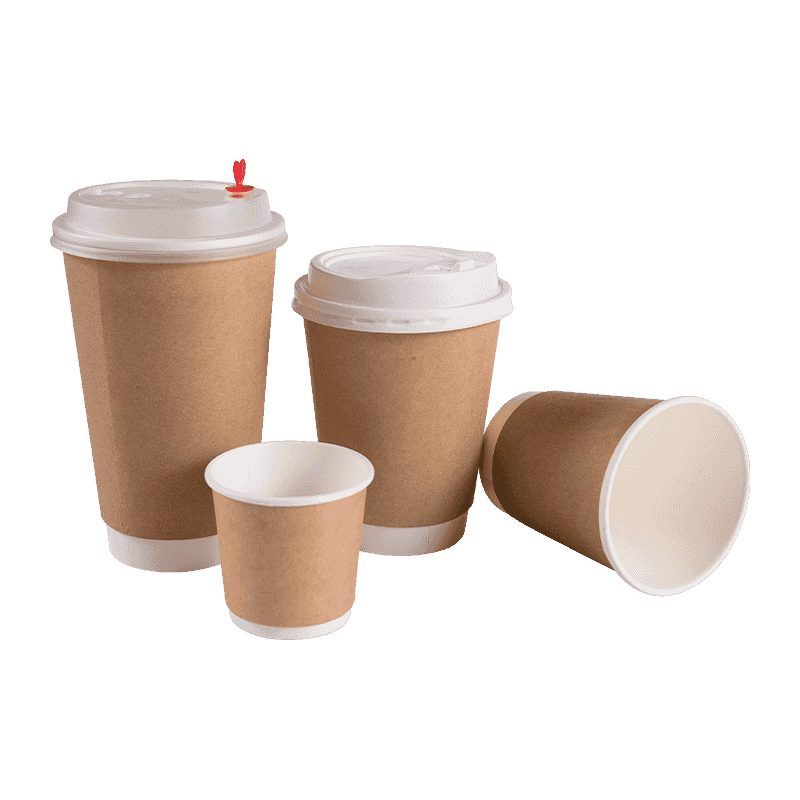
عربىFor reliable takeaway cup sealing, a polypropylene (PP) lid with a 0.35 mm thickness and a full-circumference snap-on rim offers the best balance of leak resistance, heat tolerance up to 100 degrees C, and stacking stability. This design withstands the internal pressure of a full 16-ounce cup turned on its side for over 30 minutes without seepage, making it the standard choice for hot coffee and cold beverages alike.
Content
Material Properties and Temperature Tolerance
PP is a semi-crystalline thermoplastic with a melting point around 160 degrees C and a continuous service temperature up to 100 degrees C. This makes it safe for all standard hot beverages, including freshly brewed coffee that exits the machine at 85 to 92 degrees C. Below 0 degrees C, PP retains its flexibility, which prevents cracking when a cup of iced drink is dropped.
Unlike PET lids, which begin to soften and distort at 65 degrees C, PP lids maintain their structural integrity through the entire drinking window. A lid with a wall thickness of 0.30 mm to 0.40 mm resists deformation from steam condensation inside a closed cup, preserving the seal over multiple sips.
Lid-to-Cup Compatibility and Rim Standards
A common cause of lid failure is a mismatch between the lid's inner locking bead and the cup's rolled rim. Industry-standard cup rim diameters for popular sizes are shown in the following table. Using a lid outside these specifications results in a grip deficit of over 40%, leading to pop-offs during transport.
| Cup Size (oz) | Rim Outer Diameter (mm) | Lid Fitment Tolerance |
|---|---|---|
| 8 | 80 | plus minus 0.5 mm |
| 12 | 90 | plus minus 0.5 mm |
| 16 | 98 | plus minus 0.6 mm |
| 20 | 107 | plus minus 0.6 mm |
The locking bead on a PP lid must form an undercut that engages the cup rim with a holding force of at least 12 Newtons when tested in a tensile pull-off. Lids without a defined undercut rely solely on friction and fail at forces as low as 4 Newtons, which can be generated by a full cup jostling inside a delivery bag.
Sealing Mechanisms and Lid Designs
PP lids come in three primary functional designs, each optimized for different drinking experiences and spill prevention levels.
- Flat sip lids feature a small raised sip hole and a tiny vent hole opposite it. The vent prevents vacuum buildup that would cause splashing when the cup is tilted. They are suitable for walking consumption but should not be inverted.
- Dome lids have a raised clear dome that accommodates whipped cream or foam. The dome shape adds 20% more vertical volume above the rim, preventing compression of toppings during capping. A wide mouth-hole on the dome allows drinking without tilting the head.
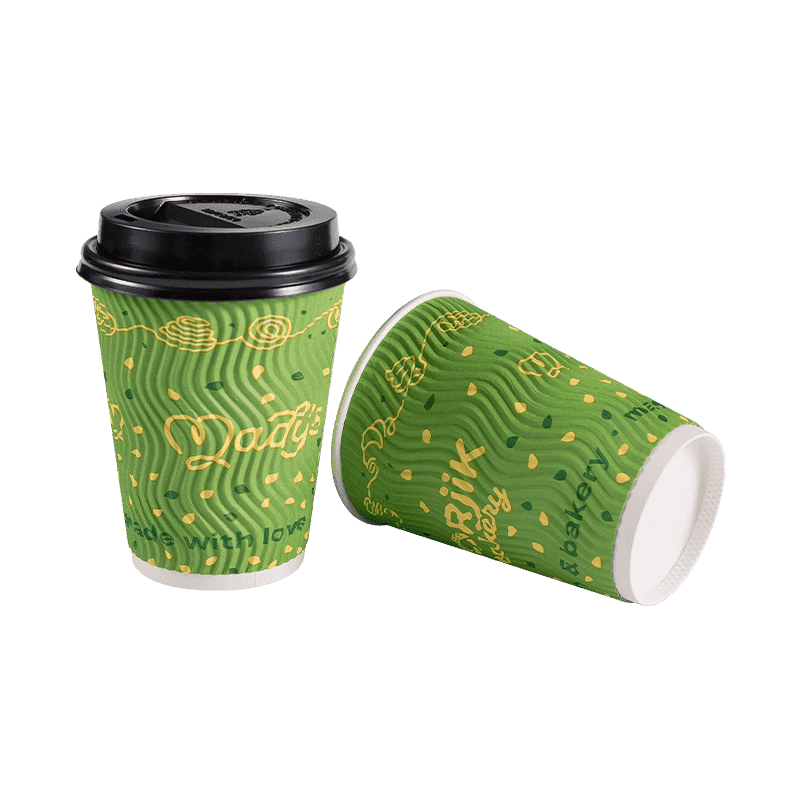
- Plug-seal dome lids include a retractable plug that closes the sip hole completely. When tested under 0.1 bar of internal pressure, a plug-seal lid held liquid without a single drop leaking for over 45 minutes, compared to 12 minutes for an unplugged sip lid.
Key Performance Factors for Beverage Safety
Beyond the basic seal, a well-engineered PP cup lid must address several failure modes that affect both user safety and brand reputation.
Stacking Lug Integrity
Lids with stacking lugs on the top surface allow multiple cups to be carried in a single tray. A lug must have a height of at least 2.5 mm and a base width of 5 mm to prevent the cup above from sliding off during a turn. Lugs that are too shallow cause a stack of three full 16-ounce cups to collapse sideways under 0.3 G of lateral force, which occurs during a moderate delivery scooter corner.
Tear-Out Resistance at the Sip Hole
The sip hole is the weakest point in the lid. A quality PP lid will have a reinforced rim around the sip opening that resists tearing even when a consumer bites down. Tensile testing on the sip hole edge should show a tear initiation force above 35 Newtons. Lids that do not meet this threshold can fragment, creating a choking hazard.
Resistance to Acidic Beverages
Citrus juices and soda with a pH of 2.5 to 3.5 do not degrade PP, but they can attack certain color masterbatches used for branded lids. A PP lid intended for lemonade should use food-grade pigment systems that show no visible color change after 72 hours of continuous immersion at 40 degrees C.
Recycling and Environmental Considerations
PP lids carry the resin identification code number 5 and are accepted in a growing number of municipal recycling streams. However, their light weight and small size often cause them to be sorted incorrectly. The most effective recycling pathway is to snap the lid back onto the empty cup before disposal, creating a single item larger than 50 mm in diameter, which optical sorters can capture more reliably.
Re-ground PP lid material retains approximately 85% of its virgin tensile strength after two recycling cycles, making it suitable for non-food-contact items like pails and storage bins. Some manufacturers now offer lids with 30% post-industrial recycled PP content that still pass the same seal integrity tests as virgin lids.
Storage Conditions and Warping Prevention
Improper storage is the main reason new PP lids fail on the sealing line. Lids should be stored in sleeves that maintain their flat profile. A stack of lids left in direct sunlight on a loading dock can reach 65 degrees C within an hour, enough to soften PP and cause permanent warping. A warped lid will show a gap of 0.5 mm or more when placed on a flat surface, and this gap translates directly to a leak path when applied to a cup.
The ideal storage condition is a temperature below 35 degrees C and relative humidity under 60%. Under these conditions, PP lids maintain dimensional stability for over 2 years from the date of manufacture. Warehouses that cycle through inventory within 6 months virtually never encounter storage-related defects.

 +86-0563-8029081
 +86-0563-8029081
 No. 12 Sanxi Road, Xinqiao Development Zone, Jingde Country, Xuancheng City, Anhui Province.