
 English
 Español
 عربى
عربىA paper packaging container is a food‑safe vessel made primarily from paperboard or molded pulp, designed to hold meals, snacks, and beverages for takeaway or dine‑in service. These containers have become the backbone of modern food delivery, replacing plastic and foam with a renewable material that balances functionality with environmental responsibility. Whether you are running a restaurant, a food truck, or a cloud kitchen, understanding the differences among paper food packaging container types directly impacts food quality, brand perception, and waste management costs.
Content
What Are Paper Food Packaging Containers?
A paper container for food packaging is any receptacle made predominantly from cellulose fibers — typically kraft paper, solid bleached sulfate (SBS) paperboard, or molded pulp — that is engineered to hold food safely. The raw paper is often coated with a thin layer of polyethylene (PE), polylactic acid (PLA), or a water‑based dispersion to provide grease resistance and moisture barrier properties. This coating is what differentiates a simple cardboard box from a fully functional takeaway food container that can hold hot soup or oily noodles without leaking.
Common formats include folded carton boxes, nested bowls with lids, gable‑top cartons, and clamshell containers. In the fast‑casual segment, a paper meal container often features multiple compartments to separate mains, sides, and sauces, mimicking a traditional plate. These products are generally single‑use, but unlike expanded polystyrene, they can be recycled or composted at end of life when the appropriate coatings are used.
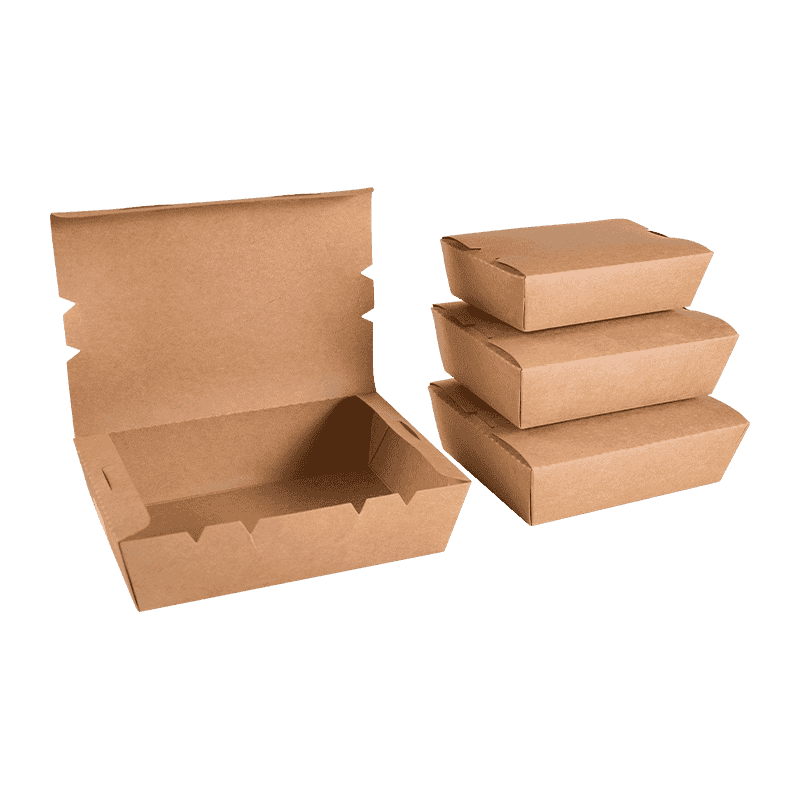
Common Types of Disposable Paper Food Containers
The category of disposable paper food container spans a wide range of designs, each suited to a specific cuisine or service model. The table below breaks down the main types found in commercial kitchens.
| Container Type | Material / Coating | Best For | Leak Resistance | Compostability |
|---|---|---|---|---|
| Kraft paper bowl with lid | PE‑ or PLA‑lined kraft | Soups, salads, grain bowls | Excellent (with tight lid) | PLA version industrial compostable |
| Folded carton / noodle box | SBS paperboard, often PE‑lined | Noodles, rice, fried appetizers | Moderate (wax coating helps) | Limited (PE lining hinders) |
| Clamshell / hinged‑lid box | Molded pulp or coated paperboard | Burgers, wraps, sandwiches | Good (coated versions) | Molded pulp uncoated is compostable |
| Multi‑compartment tray | Molded fiber or coated paperboard | Meal combos, bento, catering | Varies; lid‑sealed trays best | Uncoated molded fiber fully compostable |
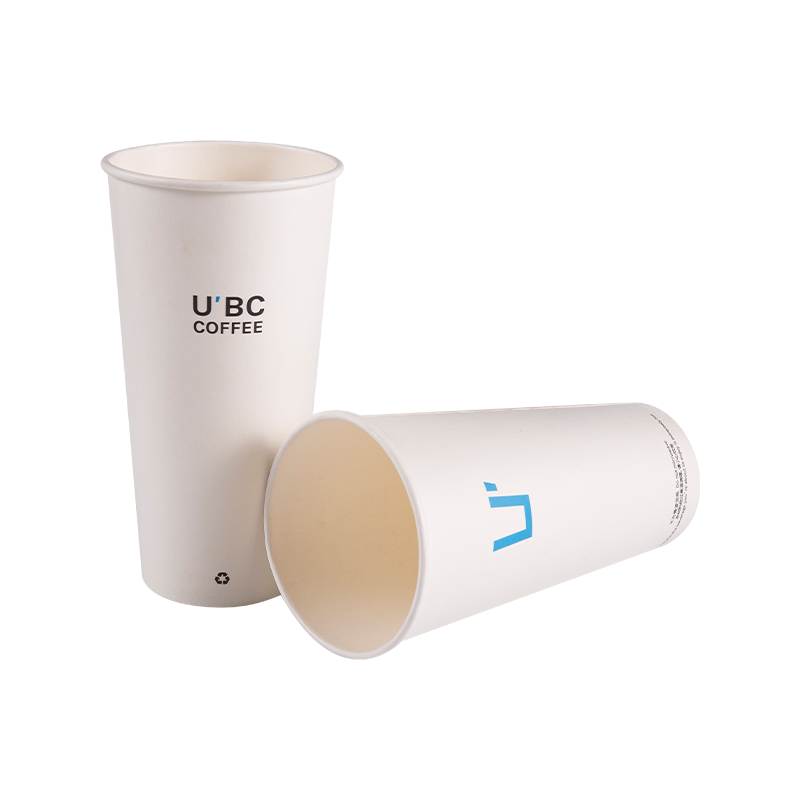
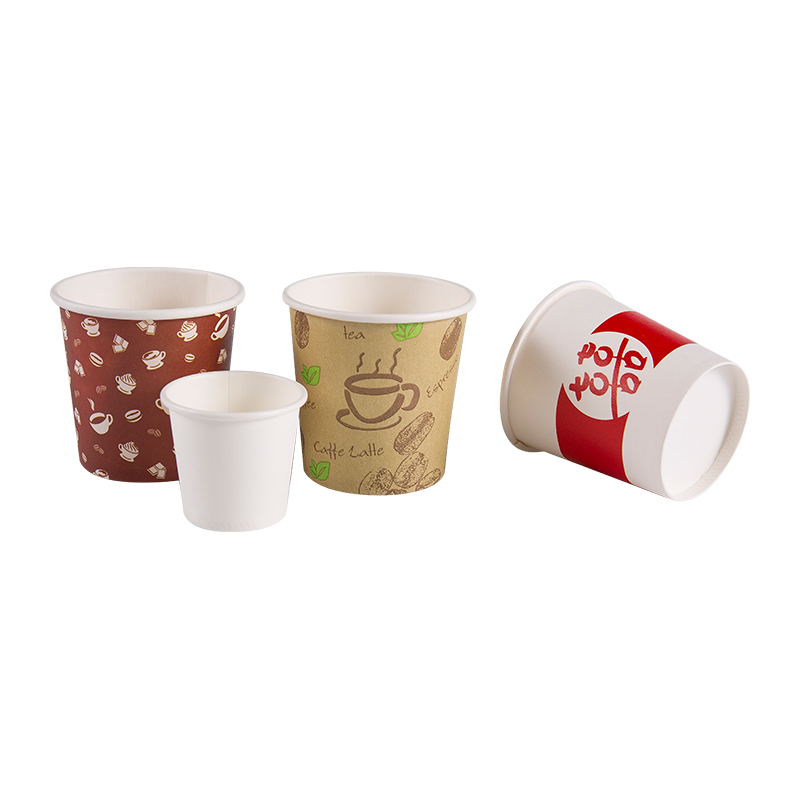
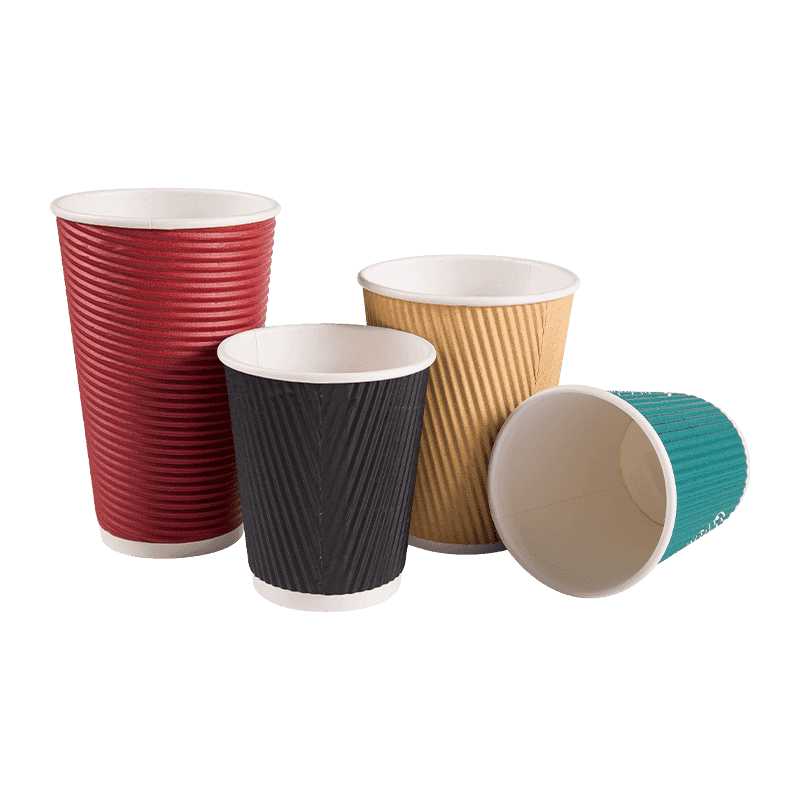
| Paper soup cup | PE‑ or PLA‑lined kraft | Hot and cold beverages, soups | Excellent | PLA‑lined cups industrial compostable |
A paper container for takeaway food must balance cost, durability, and thermal retention. For instance, a thick kraft bowl with a vented lid keeps fried items crisp, while a molded pulp clamshell with a matte finish offers a premium, eco‑friendly feel. Restaurants that rely heavily on delivery tend to prioritize leakproof disposable food packaging containers with secure lids, as nothing damages a brand faster than a bag soaked in spilled sauce.
Food Grade Paper Container: Safety, Coatings, and Certifications
A food grade paper container must meet strict regulatory standards to ensure that no harmful substances migrate into the food. In the United States, the FDA sets forth requirements for paper and paperboard in contact with food under 21 CFR 176.170 and 176.180. In the European Union, Framework Regulation (EC) No 1935/2004 and specific measures on paper and board apply. These regulations limit the use of recycled fibers in direct food contact unless a functional barrier is present, and they restrict heavy metals, optical brighteners, and primary aromatic amines.
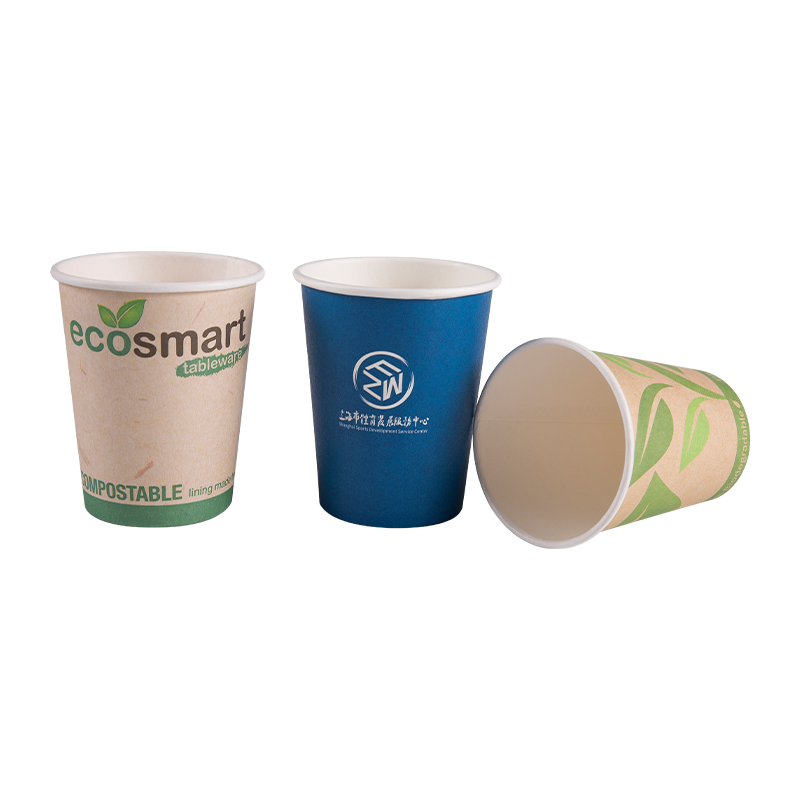
Coatings are the critical layer in a paper food packaging container. Traditional polyethylene (PE) provides an excellent moisture and grease barrier but is not biodegradable. To address this, manufacturers have introduced bio‑based coatings such as PLA (polylactic acid) and aqueous dispersions of modified starches or aliphatic polyesters. A paper meal container with a water‑based barrier coating can achieve the same leak resistance as PE while being fully repulpable and industrial compostable. Buyers should look for certifications such as BPI (Biodegradable Products Institute), EN 13432, or OK Compost to verify compostability claims.
Microwave and oven safety is another practical concern. A standard takeaway food container with a PE lining should not be heated above 100°C, as the lining may soften and distort. Containers designed for high‑heat applications, such as those used for roasted chicken or baked pasta, typically use a dual‑ovenable board with a PET or silicone‑based coating that can withstand temperatures up to 220°C (428°F) for short periods. Always check the manufacturer's heat tolerance label before reheating food in the original packaging.
Benefits of Paper Food Containers for Restaurants and Takeaway
The shift to restaurant food containers made from paper is being driven by tangible operational and marketing advantages that go beyond simply “being green.”
- Reduced environmental impact: A life‑cycle analysis comparing a paper food packaging container to an expanded polystyrene (EPS) clamshell found that the paper version generates approximately 50% less greenhouse gas emissions over its full life cycle. Uncoated paper containers decompose in a home compost pile within 2–4 months, while EPS can persist for hundreds of years.
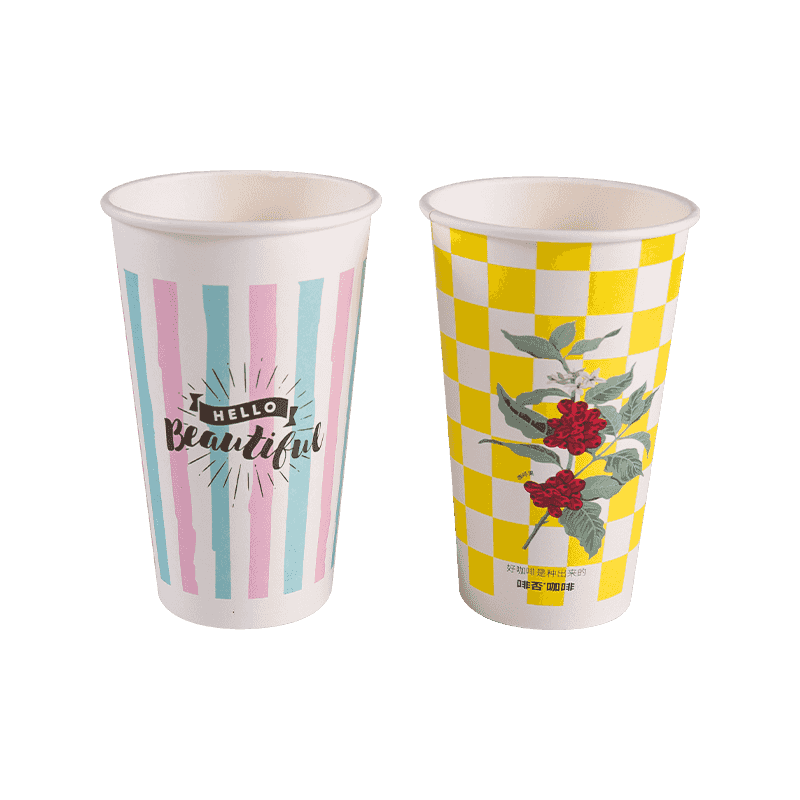
- Branding real estate: Paper surfaces accept high‑quality printing, allowing restaurants to add logos, QR codes, and social media handles. A custom‑printed paper container for takeaway food turns every delivery order into a mobile advertisement, increasing brand recall without additional media spend.
- Consumer preference: Surveys indicate that 65–75% of consumers view paper packaging more favorably than plastic, and many are willing to pay a small premium for sustainably packaged meals. Using disposable food packaging containers with visible eco‑certifications can increase order frequency among environmentally conscious demographics.
- Operational efficiency: Nested paper bowls and collapsible cartons require less storage space than rigid plastic containers. A stack of 500 paper meal containers might occupy 60% less cubic volume than the same quantity of plastic clamshells, freeing up valuable back‑of‑house real estate.
- Thermal and grease performance: A well‑engineered food grade paper container with a barrier coating can hold hot, oily food for 45–60 minutes without softening or leaking, matching the performance of plastic alternatives while eliminating the negative environmental perception.
Choosing the Right Paper Container for Your Menu
Selecting the optimal paper container for food packaging involves matching the container’s technical properties to the specific demands of each menu item. The following decision points can guide procurement:
- Assess liquid and grease content: High‑moisture items like curries and gravies require a PLA‑ or PE‑lined disposable paper food container with a secure, tight‑fitting lid. Dry items such as sandwiches or cookies can use uncoated paperboard clamshells.
- Consider stacking and transport: If containers will be stacked inside a delivery bag, select rigid paper meal container designs with reinforced corners and vented lids to prevent crushing and sogginess.
- Evaluate end‑of‑life infrastructure: If your municipality offers industrial composting, choose restaurant food containers certified to EN 13432 with PLA or aqueous barrier coatings. If recycling is the only option, uncoated or easily pulped designs are preferable.
- Calculate total cost per serving: While a compostable takeaway food container may cost 10–25% more per unit than an EPS equivalent, the premium can often be offset by increased order value and customer loyalty driven by visible sustainability efforts.
- Check microwave compatibility: Many customers reheat takeaway. Clearly communicate whether your paper container for takeaway food is microwave‑safe, and choose materials accordingly. PET‑ or PLA‑lined containers with a heat tolerance above 100°C are ideal.
A thoughtful selection of disposable food packaging containers reduces complaint rates, supports brand values, and meets the rising regulatory pressure against single‑use plastics. As more cities ban polystyrene and restrict plastic packaging, paper‑based solutions are moving from a premium niche to a standard operating requirement. Investing in quality paper packaging containers today positions a food business for compliance and customer approval well into the future.

 +86-0563-8029081
 +86-0563-8029081
 No. 12 Sanxi Road, Xinqiao Development Zone, Jingde Country, Xuancheng City, Anhui Province.