
 English
 Español
 عربى
عربىContent
What Is a Double Wall Paper Cup
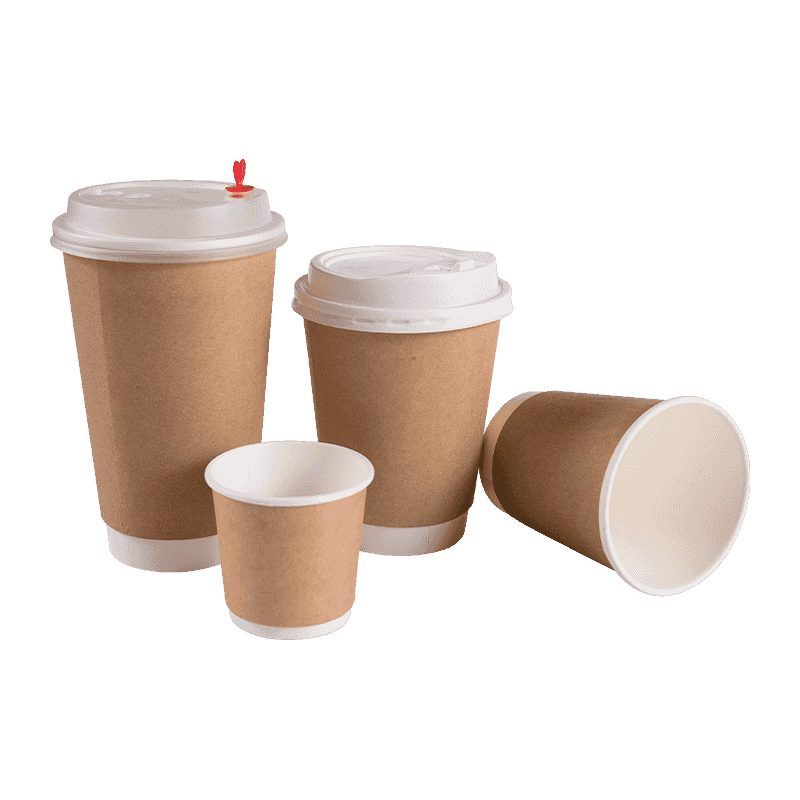
A double wall paper cup is constructed from two layers of paperboard bonded together, creating a pocket of trapped air between the inner and outer walls. That air gap acts as insulation, keeping the outer surface cooler to the touch while slowing heat loss from the beverage inside, without needing a separate sleeve. The two paper layers are typically laminated together during manufacturing, forming a single rigid cup body rather than two loosely connected pieces.
Single wall paper cups, by contrast, use just one layer of paperboard, usually with a thin polymer coating on the inside to make them liquid-resistant. They cost less and use less material, but transfer heat to the outer surface far more readily, which is why they're paired with a separate cardboard sleeve for hot beverages.

Double Wall vs Single Wall Paper Cup
| Factor | Double Wall Cup | Single Wall Cup |
|---|---|---|
| Heat insulation | Built-in via trapped air layer | Requires separate sleeve for hot drinks |
| Material use | Higher, two paperboard layers | Lower, one layer |
| Cost per unit | Higher | Lower (before adding a sleeve) |
| Rigidity | Sturdier, resists crushing | More flexible, can soften with heat and moisture |
| Best use | Hot beverages served without a sleeve | Cold drinks, or hot drinks paired with a sleeve |
Double wall and single wall paper cups compared on insulation, cost, and use case.
Double Wall Paper Cup Benefits
- No sleeve required — eliminates a separate purchasing, storage, and application step, simplifying inventory for cafes and foodservice operations.
- Comfortable hand-hold — the outer wall stays noticeably cooler than a single-wall cup, letting customers hold the cup directly even with a very hot beverage inside.
- Structural rigidity — the double-layer construction resists crushing and denting better than single wall cups, holding shape well when carried or stacked.
- Better print surface — the added rigidity and smoother outer layer often produce sharper, more consistent branding results for custom-printed cups.
- Reduced condensation transfer — the air gap also helps limit condensation reaching the outer surface on cold beverages, keeping hands dry.
Double Wall vs Ripple Wall Paper Cup
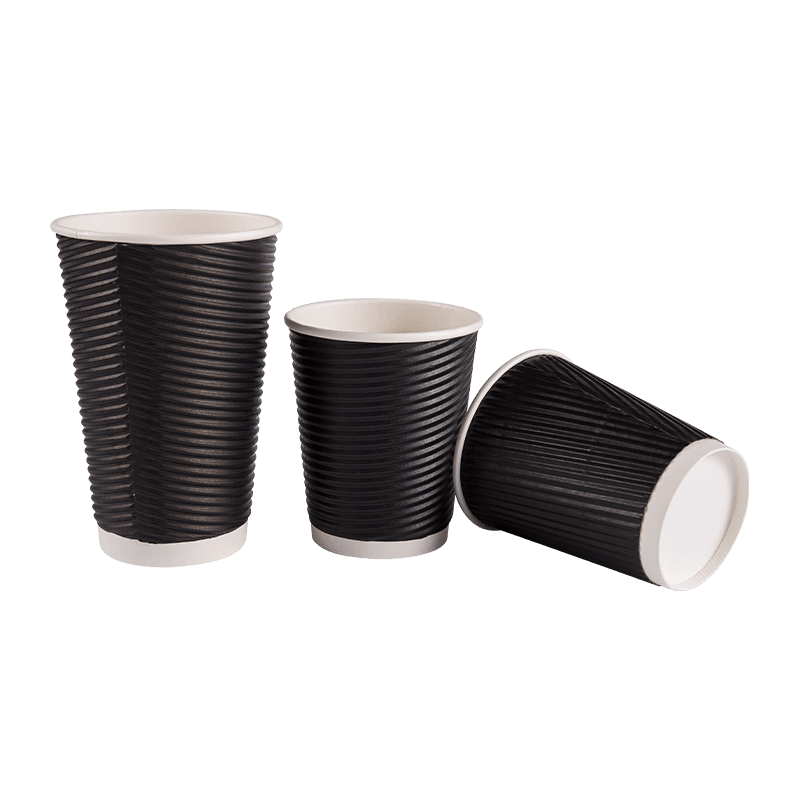
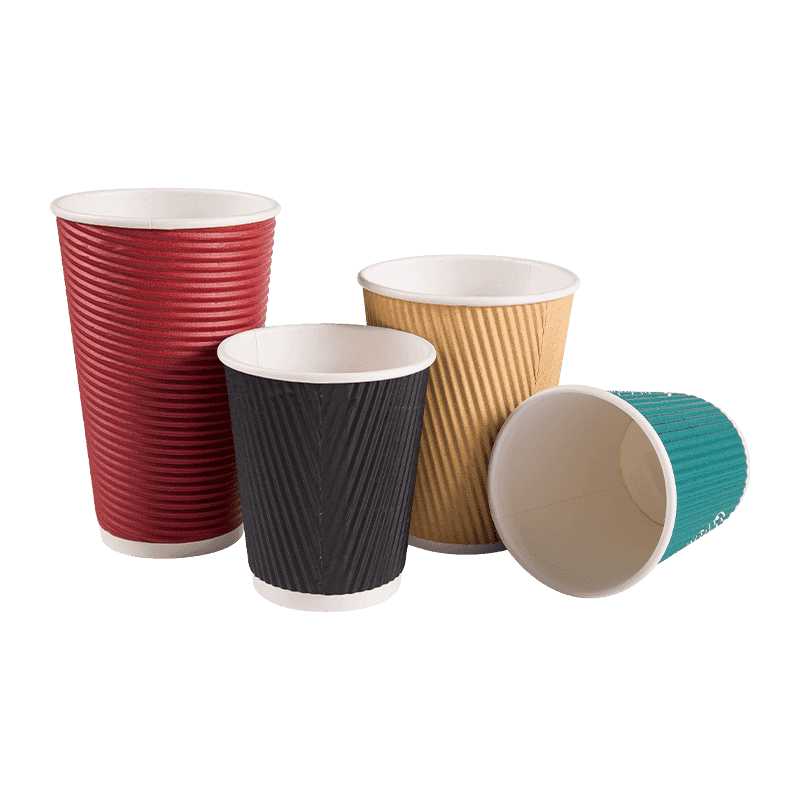
Ripple wall cups are a variation on double wall construction where the outer layer is corrugated (ridged) rather than smooth, similar in concept to corrugated cardboard. The ridges create air pockets mechanically through the paper's shape, rather than relying on a separate flat layer laminated with a uniform air gap.
Ripple wall cups typically use less total paper than a standard flat double wall cup while achieving comparable insulation, since the corrugated structure itself provides the insulating air pockets. They also give a distinctive textured grip and appearance, which some brands favor for differentiation, while standard double wall cups offer a smoother surface that can be a better canvas for detailed, high-resolution printing.
Paper Cup Materials Explained: PE Coated vs PLA Coated
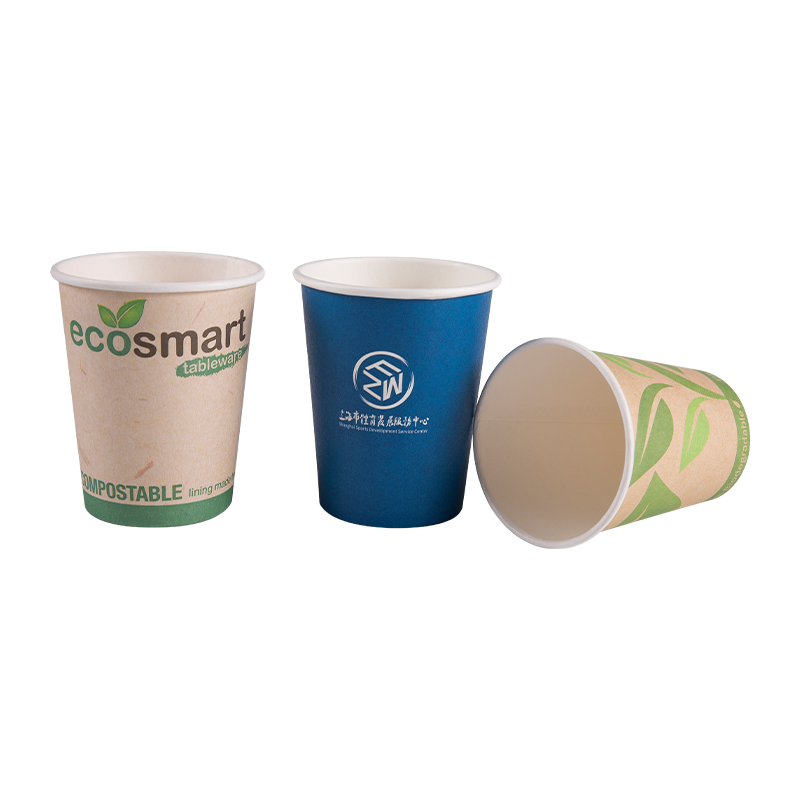
Paperboard alone isn't liquid-resistant, so nearly all paper cups use a thin polymer coating on the inner (and sometimes outer) surface to prevent leaks and soggy walls. The two most common coating types are PE (polyethylene) and PLA (polylactic acid), and they differ significantly in sourcing and end-of-life handling.
| Factor | PE Coated | PLA Coated |
|---|---|---|
| Source material | Petroleum-based plastic | Plant-based (typically corn starch) |
| Compostability | Not compostable, complicates recycling | Compostable in industrial composting facilities |
| Heat tolerance | Good, standard for hot beverages | Lower melting point, less suited to very hot liquids |
| Cost | Lower | Higher |
PE and PLA coatings compared for common paper cup selection criteria.
PLA-coated cups require industrial composting facilities to break down properly — they generally don't compost effectively in a home compost bin or standard landfill conditions — so their environmental benefit depends heavily on whether the end user has access to appropriate composting infrastructure.
Paper Cup Manufacturing Process
- Paperboard is coated with the selected liner (PE, PLA, or an alternative), typically applied through an extrusion coating process before the cup is formed.
- The coated paperboard is printed with branding, graphics, or text while still in flat sheet or roll form.
- Printed sheets are die-cut into the specific blank shapes needed for the cup body and base.
- The body blank is rolled into a cone or cylinder shape and sealed along the side seam, typically using heat to bond the coating.
- The base is inserted and sealed into the bottom of the formed body, creating a leak-resistant seal.
- For double wall or ripple wall cups, a second outer layer is formed and bonded around the inner cup body in an additional production step.
- The rim is curled or rolled for rigidity and comfort, and finished cups are stacked, counted, and packaged for shipment.
Paper Cup Sizes Guide
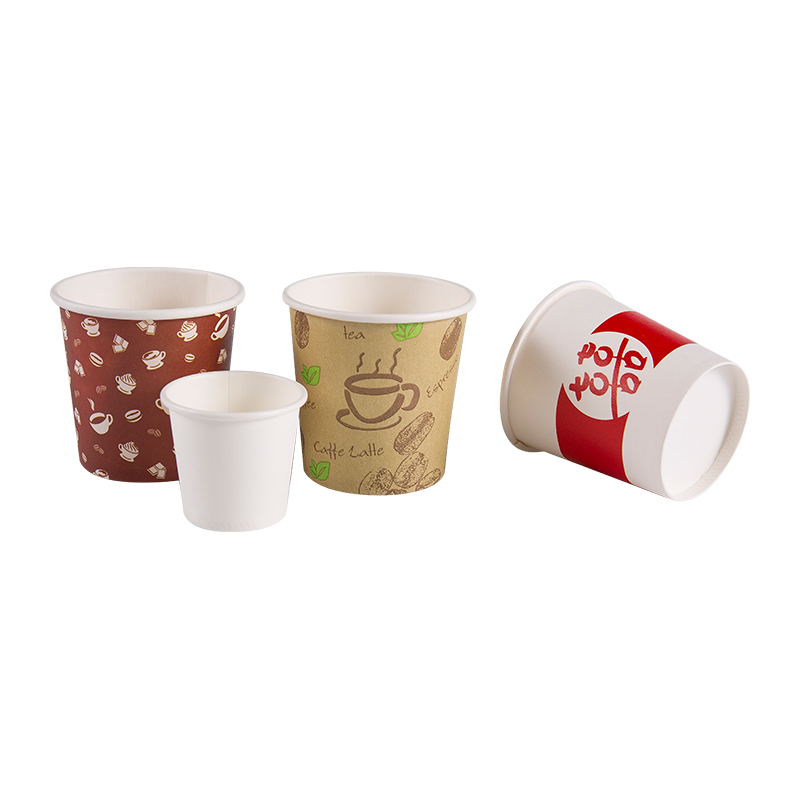
| Size (oz) | Approx. Volume (ml) | Common Use |
|---|---|---|
| 4-6 oz | 120-180 ml | Espresso, sampling cups |
| 8 oz | 240 ml | Small coffee/tea |
| 12 oz | 355 ml | Standard medium coffee |
| 16 oz | 475 ml | Large coffee, cold drinks |
| 20-24 oz | 590-710 ml | Extra-large cold beverages, iced drinks |
Common paper cup sizes and their typical foodservice applications.
Custom Printed Paper Cups for Hot Beverages
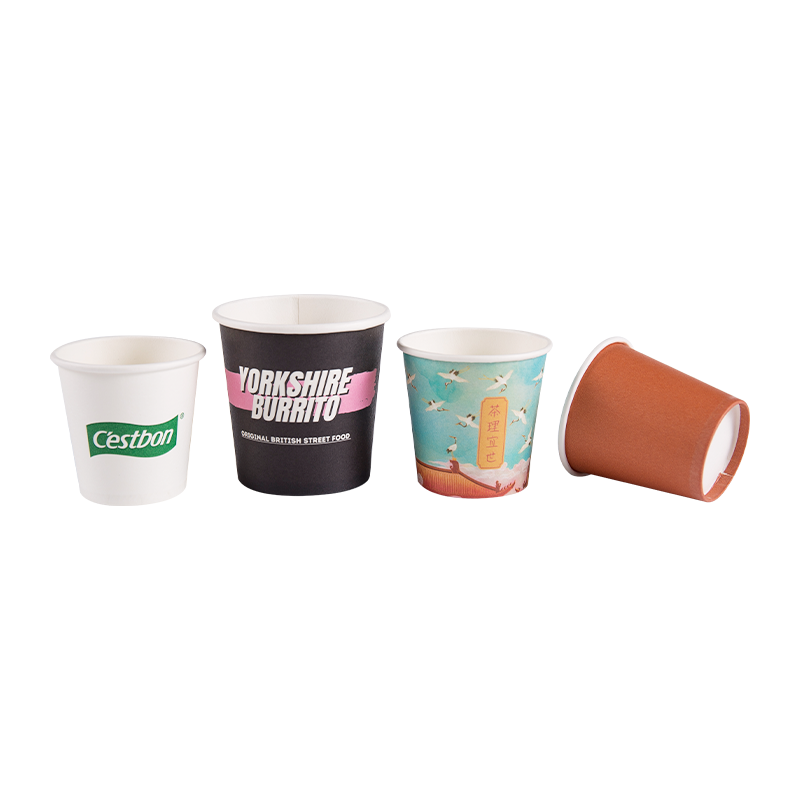
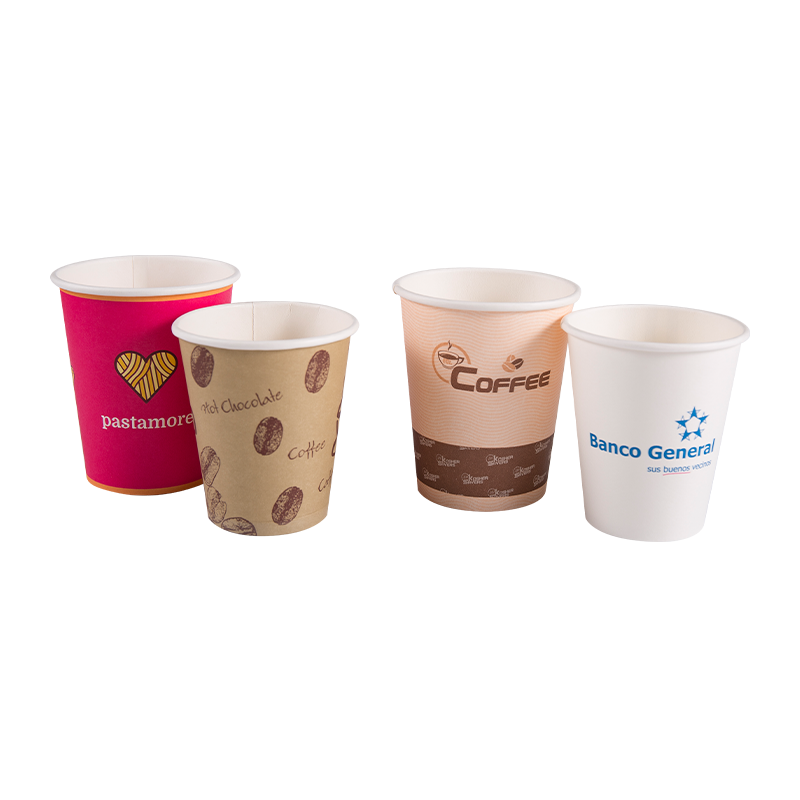
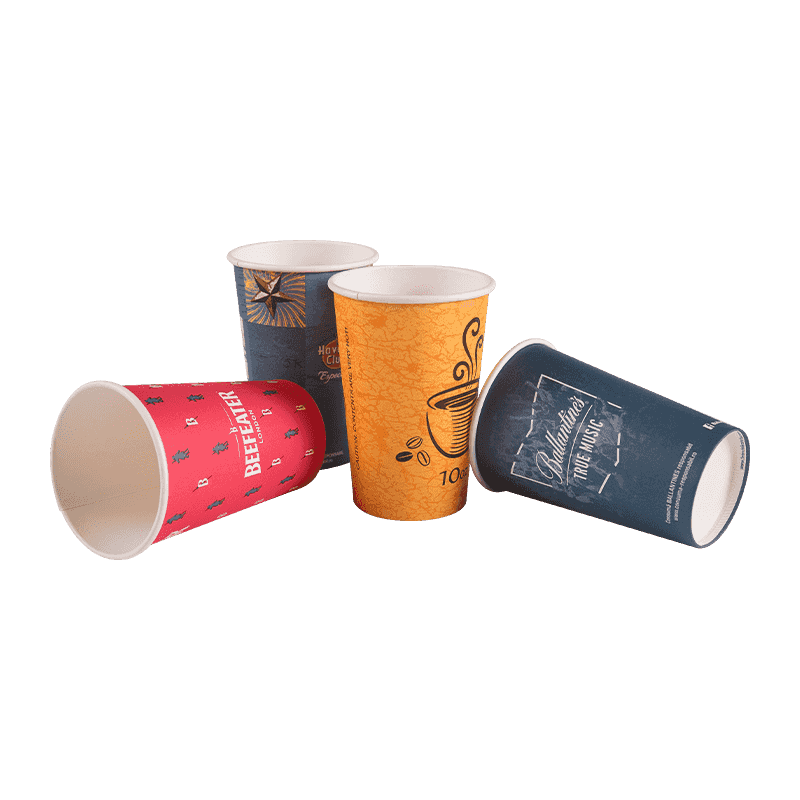
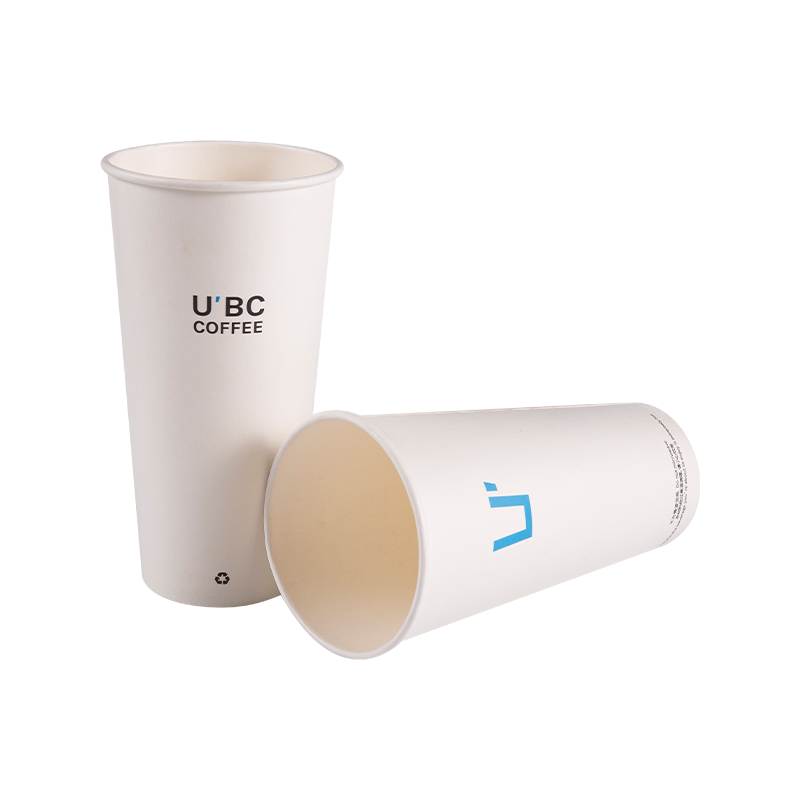
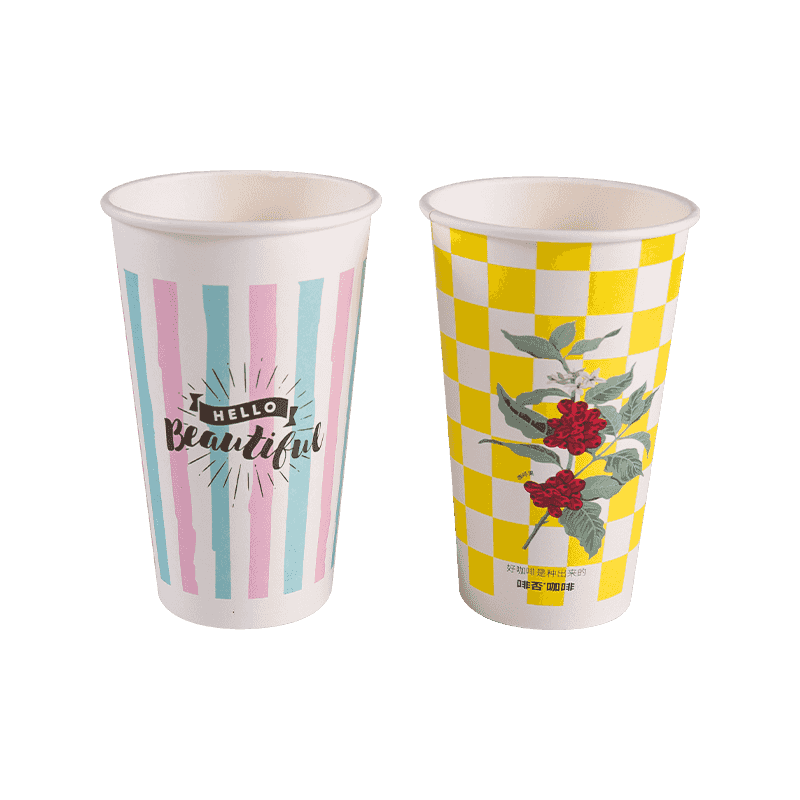
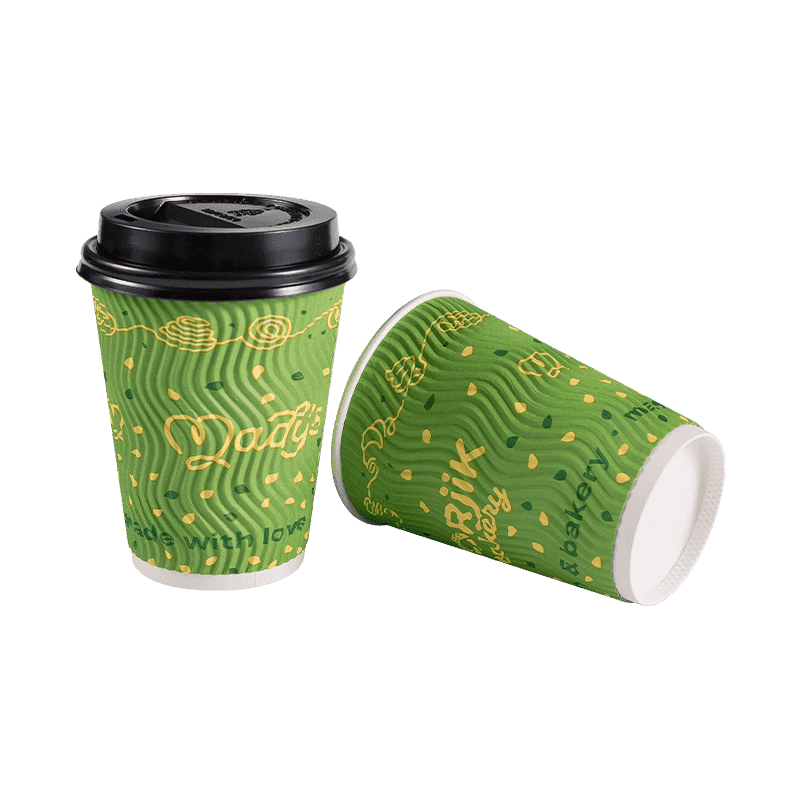
Custom printing on paper cups is typically done using flexographic or offset printing before the cup is die-cut and formed, allowing full-color branding, logos, and designs to wrap around the cup body. For hot beverage cups specifically, printing needs to account for the coating layer underneath, since ink adhesion and color vibrancy can vary depending on whether the print sits on PE-coated, PLA-coated, or uncoated paper stock.
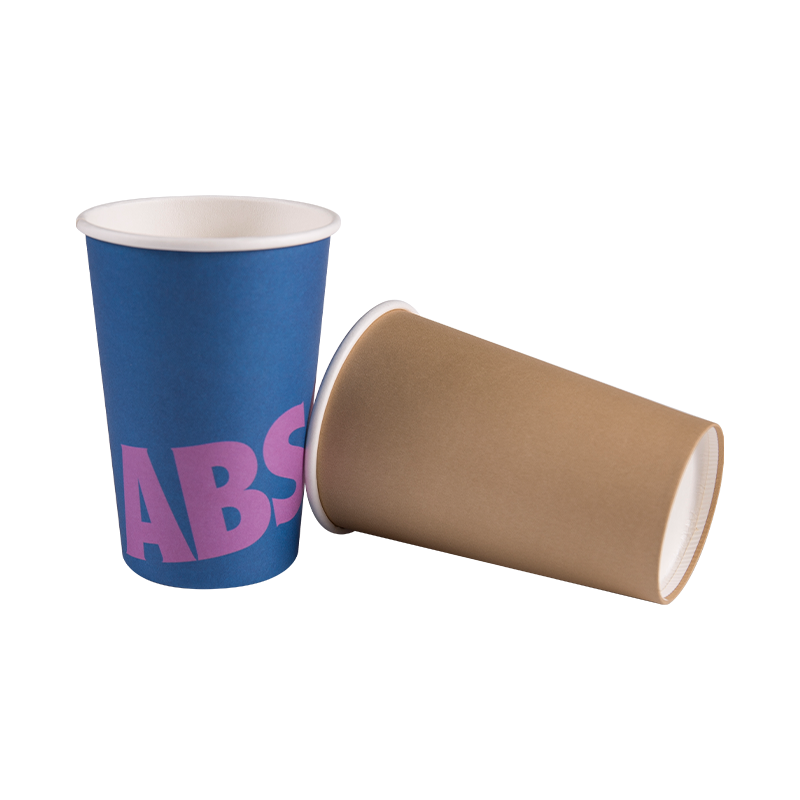
Double wall cups are often favored for premium custom-printed branding since their smoother, more rigid outer surface reproduces fine detail and color consistency more reliably than single wall cups, which can show slight texture or flex that affects print clarity, particularly on cups intended to showcase a hot beverage brand's identity without an added sleeve covering part of the design.
 +86-0563-8029081
 +86-0563-8029081
 No. 12 Sanxi Road, Xinqiao Development Zone, Jingde Country, Xuancheng City, Anhui Province.