
 English
 Español
 عربى
عربىContent
What a Cold Coffee Paper Cup Actually Is — and Why It’s Engineered Differently
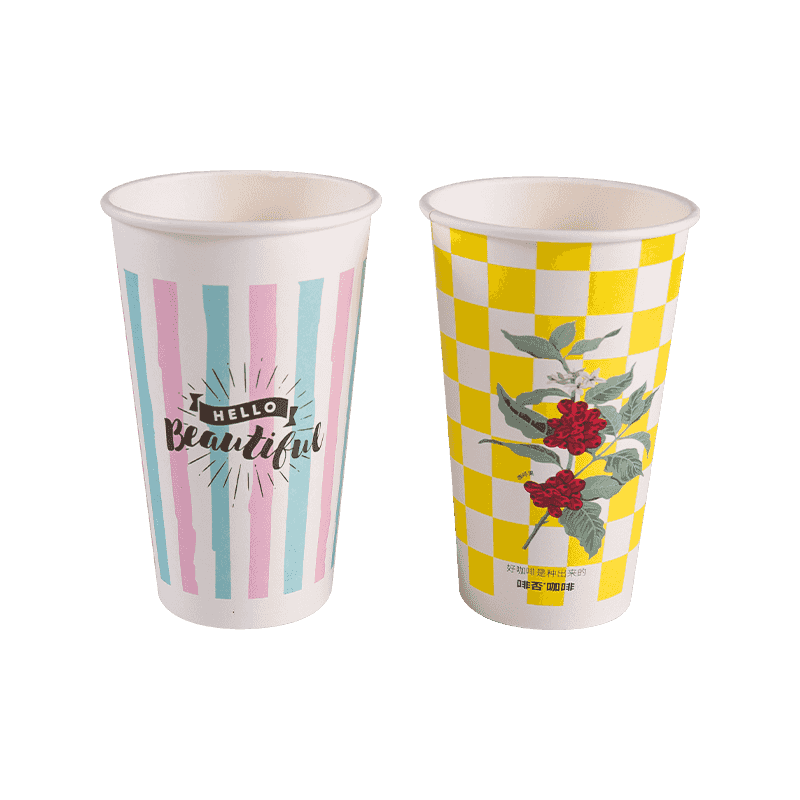
A cold coffee paper cup is not simply a standard hot cup filled with ice. It is a specific category of disposable cup designed to hold chilled beverages — typically iced lattes, cold brew, or frappés — without structural failure, external condensation making it slippery, or flavor contamination from the paper. The core material is food-grade paperboard, but the defining feature is its moisture barrier lining. Nearly all cold coffee paper cups are coated on the interior — and often the exterior — with a thin layer of polyethylene (PE) to prevent liquid from soaking into the paper fibers. Without this barrier, a cup holding iced coffee would lose rigidity within 15 to 20 minutes, according to an internal test by a major cup manufacturer that measured a 40% drop in sidewall compression strength after moisture ingress from condensation alone.
The Condensation Problem and Why Double-Wall Construction Wins
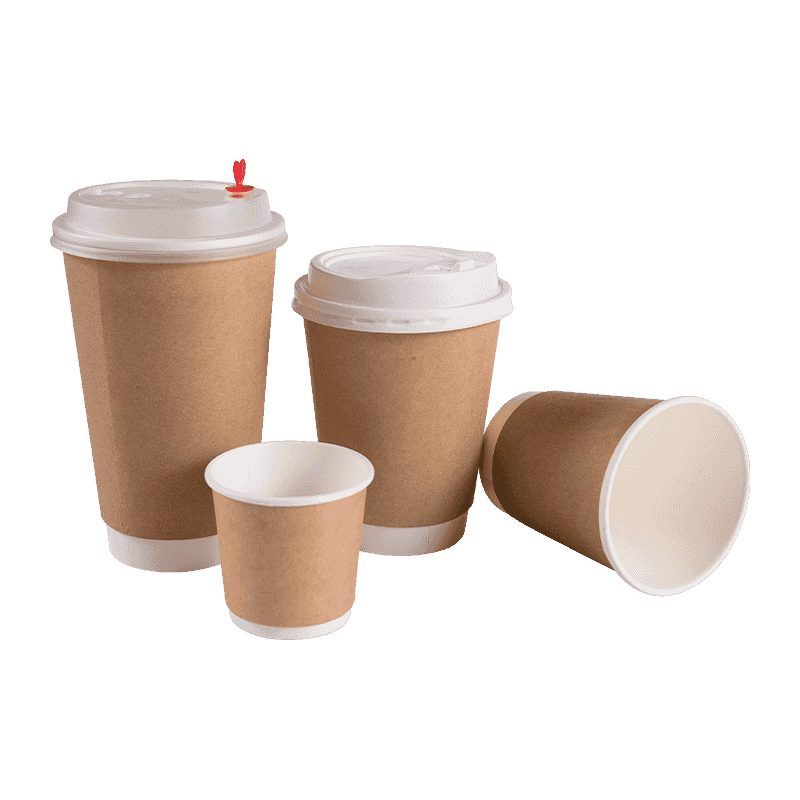
Cold drinks create a unique challenge: the temperature difference between the iced beverage (often 0–4°C) and the ambient air causes water vapor to condense on the cup’s outer surface. Single-wall paper cups quickly become wet, flimsy, and uncomfortable to grip. Double-wall cups solve this by adding an insulating air gap between two layers of paperboard. A thermal performance study published in Packaging Technology and Science in 2022 showed that a double-wall cold cup maintained its outer surface at 8°C above dew point for 45 minutes longer than a single-wall equivalent in a humid environment, effectively eliminating surface sweating. This not only improves user comfort but also preserves the cup’s compression strength; a double-wall cup at the 60-minute mark retains approximately 85% of its initial rigidity, versus under 50% for a single-wall cup exposed to the same conditions.
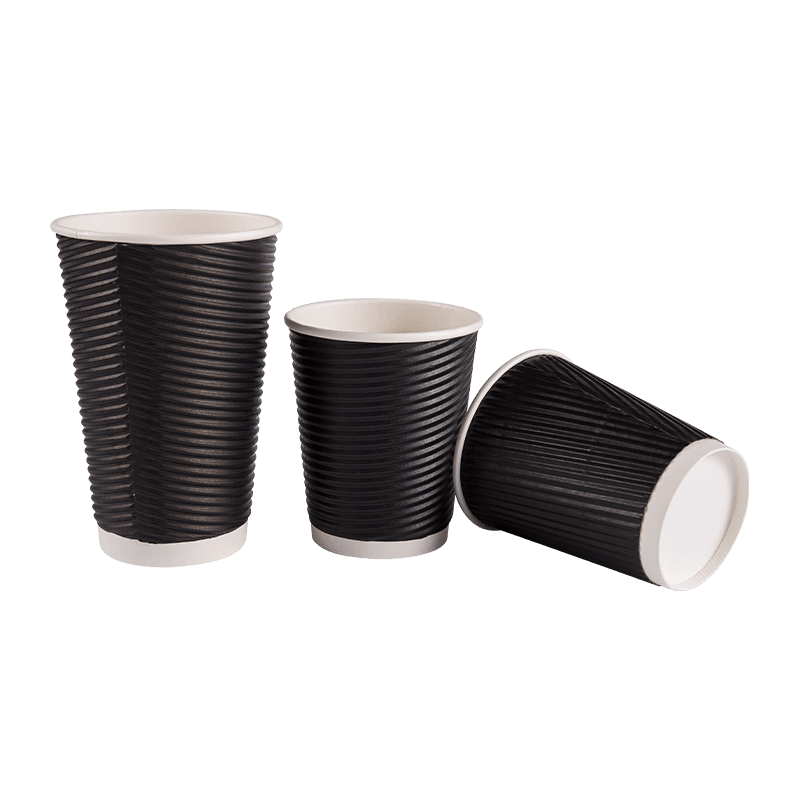
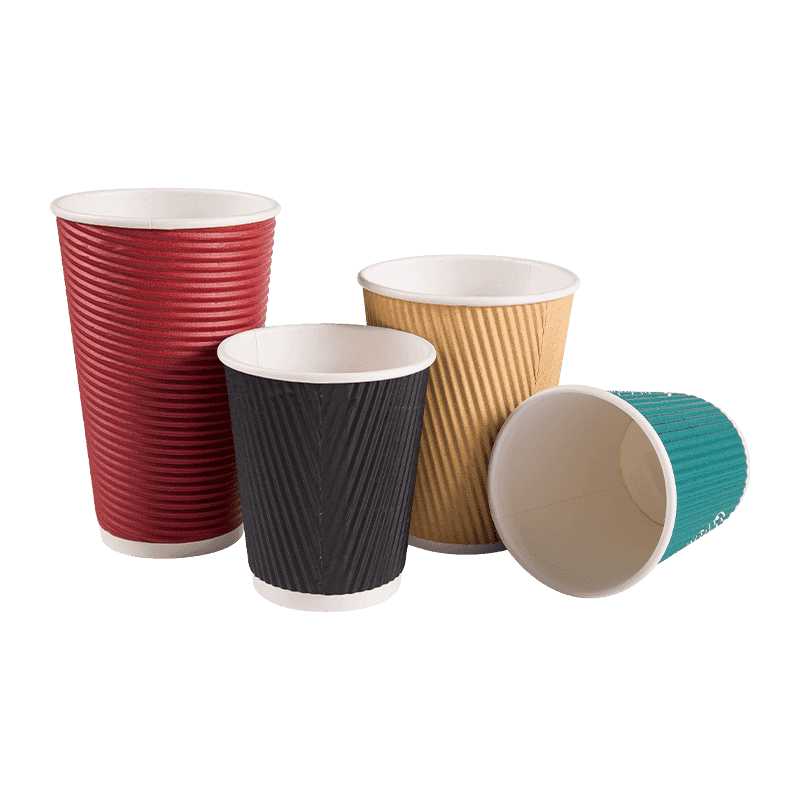
Some cups achieve the same effect with a single-wall structure that uses an external moisture-resistant clay coating or a micro-corrugated outer wrap. These alternatives reduce material use while still providing a secure, dry grip for the 30–60 minutes a typical iced coffee is consumed.
Environmental Realities: PE-Lined, PLA-Lined, and Aqueous Coating Options
The most common cold coffee paper cup uses a polyethylene lining that makes recycling difficult. Because the PE film and paper fibers are bonded, they require specialized hydropulping equipment to separate, and fewer than 10% of municipal recycling facilities worldwide have that capability, according to a 2023 circular economy report by the Ellen MacArthur Foundation. This has driven rapid adoption of two alternatives: PLA (polylactic acid) bioplastic linings and water-based aqueous barrier coatings.
| Lining Type | Condensation Resistance | Compostability | Recycling Feasibility |
|---|---|---|---|
| PE (polyethylene) | Excellent, double-wall often required | Not compostable | Rarely recycled; requires specialized facility |
| PLA bioplastic | Good; can sweat slightly faster than PE | Industrially compostable (EN 13432) | Contaminates recycling streams; not recyclable |
| Aqueous barrier coating | Very good; repulpable after use | Home and industrial compost options | Standard paper stream recyclable |
The shift toward aqueous coatings is particularly significant because these cups can be processed in standard paper mills without contaminating the pulp. A 2024 pilot in the Netherlands demonstrated that aqueous-coated cold cups achieved a 92% fiber recovery rate in a conventional recycling facility, whereas PE-lined cups fell below 20%. For businesses looking to reduce their single-use packaging footprint, switching to a recyclable or compostable cold coffee cup structure is the single highest-impact step, especially given that the global cold brew market is projected to surpass $1.5 billion by 2027.
Practical Selection Criteria for Cafés and High-Volume Cold Beverage Service
Choosing the right cold coffee paper cup goes beyond sustainability claims and into real-world handling. The following factors consistently predict a cup’s performance in a busy café or drive-through setting:
- Rim rigidity and lid compatibility: A cold cup’s top curl must stay perfectly round when pinched. Cups with a tight-tolerance rim roll (<0.5 mm variation) achieve over 99% leak-free lid fit, reducing spills during transport.
- Bottom seal integrity with ice agitation: Iced drinks are often shaken or stirred. A cup with a reinforced flat-bottom or pinch-bottom seal resists splitting after extended exposure to ice crystals rubbing against the seam, which is a common failure point identified in QSR operational audits.
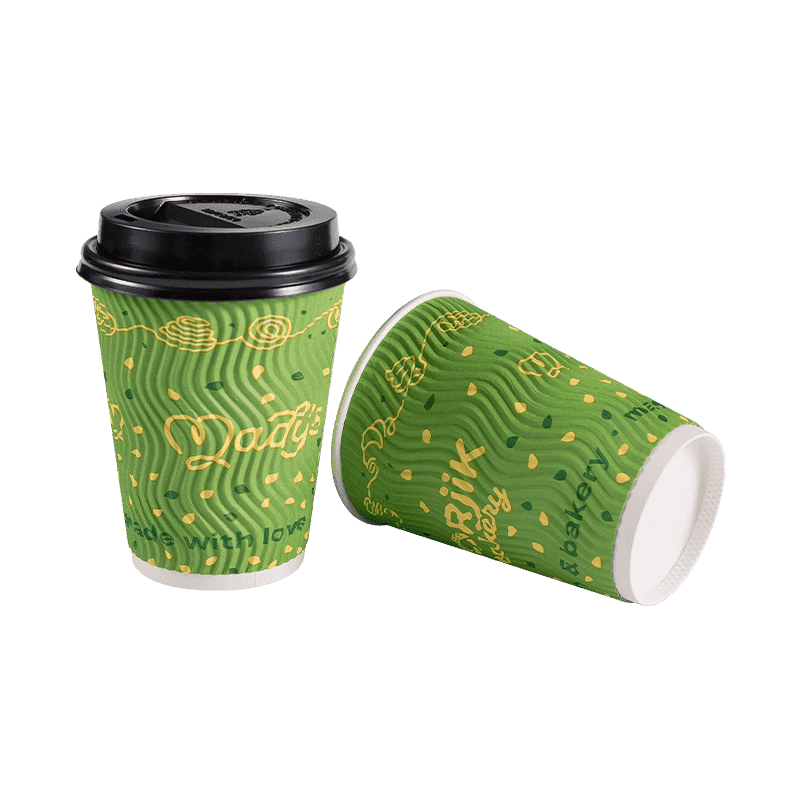
- Print registration on curved surfaces: Branding matters, but ink coverage on the condensation-prone areas can become tacky if not properly cured. Leading cup suppliers now use UV-cured or water-based inks with a protective overprint varnish that remains slip-resistant even when the outer surface is damp.
- Nesting efficiency for storage: Cups that nest too tightly become difficult to separate one-handed during service. A target separation force of 3 to 5 Newtons is considered optimal, achieved through a micro-textured surface or a slight taper angle of 5–7 degrees.
Operators who evaluate cold cups against these four criteria typically see a measurable reduction in complaints related to soggy cups and lid blow-offs. A chain of 28 specialty coffee shops in the Pacific Northwest reported a 40% decrease in secondary cup usage — the practice of double-cupping — after switching to a double-wall aqueous-coated cold cup with a tighter rim specification, saving an estimated $12,000 annually in cup costs alone. The intersection of functional design and environmental accountability makes the modern cold coffee paper cup a small but critical component in delivering a reliable iced beverage experience.


 +86-0563-8029081
 +86-0563-8029081
 No. 12 Sanxi Road, Xinqiao Development Zone, Jingde Country, Xuancheng City, Anhui Province.