
 English
 Español
 عربى
عربىIn the fast-paced world of food service, the quest for the perfect disposable bowl is more than a matter of convenience; it's a critical decision impacting presentation, sustainability, and the bottom line. A quiet revolution is unfolding in professional kitchens and catering halls, where traditional plastic and even compostable plant-based alternatives are being set aside in favor of a seemingly humble yet superior option. This shift isn't accidental. It is driven by a confluence of practical benefits, environmental responsibility, and evolving consumer expectations. Chefs, restaurateurs, and food business operators are discovering that kraft paper salad bowls offer a unique combination of functionality, aesthetics, and eco-credentials that other disposables struggle to match. From their superior heat retention for warm grain bowls to their excellent leak resistance for dressing-heavy salads, these bowls are redefining on-the-go dining. This article delves into the specific, often overlooked advantages that are compelling culinary professionals to make the switch, exploring the technical, operational, and marketing benefits that make kraft paper bowls an intelligent choice for the modern food industry.
Content
The Superior Functional Performance in a Professional Setting
For chefs, every component on the plate—or in the bowl—serves a purpose. Durability, heat management, and leak resistance are not mere features; they are fundamental requirements for maintaining food quality and ensuring customer satisfaction. This is where kraft paper bowls, often with a polyethylene (PE) lining or a innovative biocoating, demonstrate a clear operational advantage over common alternatives like clear plastic or bagasse (sugarcane fiber) bowls.
Unmatched Durability and Structural Integrity
One of the most immediate frustrations with some disposable bowls is their tendency to become soggy or lose shape. A salad with a high-moisture content, such as one with juicy tomatoes, cucumbers, or a generous amount of dressing, can quickly compromise the structural integrity of a container. Kraft paper bowls are engineered to withstand this challenge. The inherent strength of the kraft paper, combined with a proper lining, creates a robust barrier. This means a bowl can hold a dressed salad for an extended period—crucial for catering events, grab-and-go sections, or delivery orders—without the base becoming soft, the sides buckling, or the dreaded "soggy bottom" effect. In contrast, while some PLA (polylactic acid) lined bowls are compostable, they can sometimes feel flimsier and are more prone to warping when exposed to moisture over time. The sturdiness of a well-made kraft paper bowl also translates to better stackability and storage, reducing the risk of damage in the back-of-house and during transport. For a chef preparing hundreds of lunch bowls, this reliability is non-negotiable. The search for leak-proof disposable salad bowls for delivery often ends with high-quality kraft paper options precisely because of this dependable structural performance that ensures the meal arrives as intended, maintaining both form and flavor from kitchen to customer.
Optimal Temperature Management for Versatile Menus
The modern menu is diverse, and a disposable bowl must perform equally well with a cold quinoa salad and a hot serving of chili or a warm roasted vegetable grain bowl. This is a key area of differentiation. Kraft paper salad bowls for hot food safety is a critical consideration that goes beyond simple containment. High-quality kraft paper bowls with appropriate food-grade liners provide excellent insulation properties. They effectively retain heat for warm dishes, keeping food at a palatable temperature for longer, which enhances the customer's experience, especially with delivery. Simultaneously, they prevent the exterior of the bowl from becoming uncomfortably hot to hold, a common issue with some thin plastic alternatives. For cold salads, the bowl's structure helps maintain chill, preventing quick warming from ambient temperature. This dual capability offers chefs immense menu flexibility without needing to stock separate containers for hot and cold items, simplifying inventory and reducing potential for errors during busy service periods. This versatility is a cornerstone of their value proposition in a professional kitchen.
Leak Resistance and Sauce Confidence
Nothing undermines a beautifully composed salad like a leaking container. Dressings, oils, and juices from ingredients are a constant threat. The leak resistance of a kraft paper bowl is typically superior to that of uncoated paper or certain molded fiber bowls. The inner lining acts as a secure seal against liquids. Chefs can confidently dress salads in advance or package dressings separately within the same bowl without fear of catastrophic failure. This reliability is paramount for maintaining presentation and preventing messy, disappointing customer experiences. When evaluating disposable options, a simple test comparing how different bowls handle an oily vinaigrette over 30 minutes often reveals the kraft paper bowl's superior performance, with no seepage or staining on the exterior, keeping hands clean and bags dry. For operations focusing on eco-friendly disposable bowls for catering events, this leak-proof assurance is essential when serving large groups where reliability cannot be compromised.
To clearly illustrate the functional comparison from a chef's perspective, consider the following operational analysis:
| Feature | Kraft Paper Bowl (with PE/Bio-coating) | Clear Plastic (PP/PS) Bowl | Bagasse (Sugarcane Fiber) Bowl |
|---|---|---|---|
| Resistance to Sogginess (High-Moisture Salad) | Excellent. Maintains shape and integrity for hours. | Good. Impermeable, but can condensate inside. | Variable. Can become soft and lose rigidity if overly saturated. |
| Heat Retention for Warm Dishes | Very Good. Insulates effectively, bowl stays cool to touch. | Poor. Conducts heat, can become too hot to hold. | Good. Provides decent insulation. |
| Leak & Grease Resistance | Excellent. Lining provides a reliable barrier. | Excellent. Fully impermeable. | Fair to Good. Can absorb oils and may eventually seep. |
| Structural Stackability | High. Rigid walls allow for secure, space-saving storage. | Medium-High. Can nest but sometimes lock. | Medium. Can be bulky and less uniform. |
Elevating Brand Image and Customer Perception
In today's competitive market, packaging is a direct extension of a restaurant's brand identity. It communicates values, quality, and attention to detail before the customer takes the first bite. The tactile and visual appeal of kraft paper bowls plays a significant role in shaping a positive and memorable brand experience.
The Aesthetics of Natural and Premium Presentation
The natural, earthy texture and matte finish of kraft paper convey a sense of authenticity, craftsmanship, and care. It suggests a connection to natural ingredients and a thoughtful approach to food. This aesthetic aligns perfectly with concepts focused on fresh, healthy, and artisanal offerings. A vibrant, colorful salad looks more appetizing and visually "pops" against the neutral brown backdrop of a kraft bowl compared to a stark white or transparent plastic container. This isn't merely subjective; studies in food psychology indicate that natural materials can enhance the perceived freshness and quality of food. For a chef, using packaging that makes their culinary creation look its best is a powerful marketing tool. It encourages social media sharing—where photogenic food is king—and reinforces the premium quality of the meal. The natural look is a key reason why these bowls are sought after as eco-friendly disposable bowls for catering events, where presentation is paramount.
Communicating Environmental Values Tangibly
Modern consumers are increasingly environmentally conscious. They make purchasing decisions aligned with their values, and packaging is a highly visible indicator of a business's commitment. While terms like "compostable" and "recyclable" are important, the natural, unbleached appearance of kraft paper sends an immediate, non-verbal cue of environmental responsibility. It is perceived as simpler, less processed, and more sustainable than shiny plastic. By choosing kraft paper bowls, a chef or restaurant owner is making a clear statement about their environmental stance. This resonates strongly with a growing demographic of customers who prefer to support businesses with sustainable practices. It transforms a simple transaction into a values-aligned purchase, fostering customer loyalty and positive word-of-mouth. Effectively, the bowl becomes a silent ambassador for the brand's eco-ethics, answering the customer's implicit question about the business's environmental impact.
The Economic and Logistical Advantages for Food Businesses
Beyond functionality and image, the decision to use any disposable ware must make sound economic sense. Operational efficiency, cost management, and supply chain reliability are critical for profitability. Kraft paper bowls offer compelling advantages in these areas that are sometimes overlooked during initial cost-per-unit comparisons.
Cost-Effectiveness and Inventory Optimization
While the per-unit price of a basic plastic bowl might be lower, the total value proposition of kraft paper often tips the scales. Their superior strength can lead to fewer instances of failure (like leaking or collapsing), which directly reduces waste of both the container and the food it holds—a costly saving. Furthermore, their versatility across hot and cold applications, as discussed, allows a kitchen to standardize on one SKU (Stock Keeping Unit). Reducing the number of different containers in storage frees up valuable space, simplifies ordering, and minimizes the risk of using the wrong container for an order. This streamlining of operations has a tangible impact on labor efficiency and reduces complexity. For businesses evaluating their packaging budget, considering the cost-effective kraft paper food containers wholesale options reveals that volume purchasing of high-quality kraft bowls can be highly competitive, especially when factoring in the hidden costs of container failure and inventory management. This makes them an ideal solution for large-scale needs like kraft paper salad bowls bulk for party supplies.
Storage Efficiency and Supply Chain Resilience
Kraft paper bowls are typically designed to nest efficiently. This means they take up significantly less storage space per unit compared to many rigid plastic or bulky molded fiber alternatives. For a busy restaurant with limited storage, this density is a major advantage, allowing for larger orders and less frequent restocking. From a supply chain perspective, kraft paper is a widely available, globally produced material. This often translates to greater supplier options and resilience against shortages that can affect more niche materials. The ability to source reliably is crucial for business continuity, making the widespread availability of kraft paper products a significant logistical benefit. This reliability supports consistent operations, whether for daily takeout or large, one-off events.
Addressing the Sustainability Question Comprehensively
The environmental conversation around disposables is complex, involving life cycle analysis, waste management infrastructure, and consumer behavior. It's essential to move beyond simplistic claims and understand the nuanced environmental profile of kraft paper bowls to make an informed choice.
Biodegradability, Compostability, and End-of-Life Scenarios
A primary driver for the shift away from traditional plastics is their persistence in the environment. The core material of these bowls—kraft paper—is derived from wood pulp, a renewable resource. Uncoated kraft paper is readily biodegradable and compostable in appropriate conditions. However, most food-service kraft bowls require a lining to achieve functionality. The environmental end-of-life depends heavily on this lining. Bowls with a traditional polyethylene (PE) lining are not compostable and should be directed to landfill (or incineration with energy recovery where available), where the paper component will still decompose much faster than plastic. The more sustainable iteration comes from bowls with bio-based, compostable linings, such as PLA (from corn starch) or other polymer innovations. These biodegradable kraft paper bowls with lids are designed for commercial composting facilities, where they will break down into organic matter. It is vital for businesses to choose a product aligned with their local waste processing capabilities and to communicate proper disposal instructions to customers to complete the sustainability loop.
Sourcing and Renewable Materials
The sustainability story begins at sourcing. Responsible manufacturers source kraft paper from forests managed under sustainable forestry initiatives (like those certified by the FSC® or SFI®). This ensures the paper comes from renewable sources where trees are replanted, and ecosystems are protected. This renewability is a fundamental advantage over petroleum-based plastics. For the eco-conscious chef, specifying bowls made from post-consumer recycled (PCR) kraft paper or from rapidly renewable sources like bamboo adds another layer of environmental benefit. These considerations contribute to a lower overall carbon footprint and support a circular economy model, aligning with the values communicated through the use of the packaging itself.
A Practical Comparison of Environmental Claims
Navigating the landscape of environmental claims requires careful discernment. The following table breaks down key environmental considerations to provide clarity:
| Environmental Aspect | Kraft Paper Bowl (Compostable Lining) | Kraft Paper Bowl (PE Lining) | Plastic (PP) Bowl | Bagasse Bowl |
|---|---|---|---|---|
| Primary Material Source | Renewable (Wood Pulp, possibly recycled) | Renewable (Wood Pulp) | Non-renewable (Petroleum) | Renewable (Agricultural Waste) |
| Industrial Compostable | Yes (with certification e.g., BPI, OK Compost) | No | No | Yes (typically) |
| Home Compostable | Rarely (requires specific certification) | No | No | Often Yes |
| Recyclable (Mainstream Stream) | No (lining contaminates paper stream) | No | Sometimes (Check local #5 plastic recycling) | No |
| Landfill Decomposition Rate | Paper core will biodegrade relatively quickly; lining may not. | Paper core will biodegrade; PE lining will not. | Extremely Slow (Centuries) | Fast (in right conditions) |
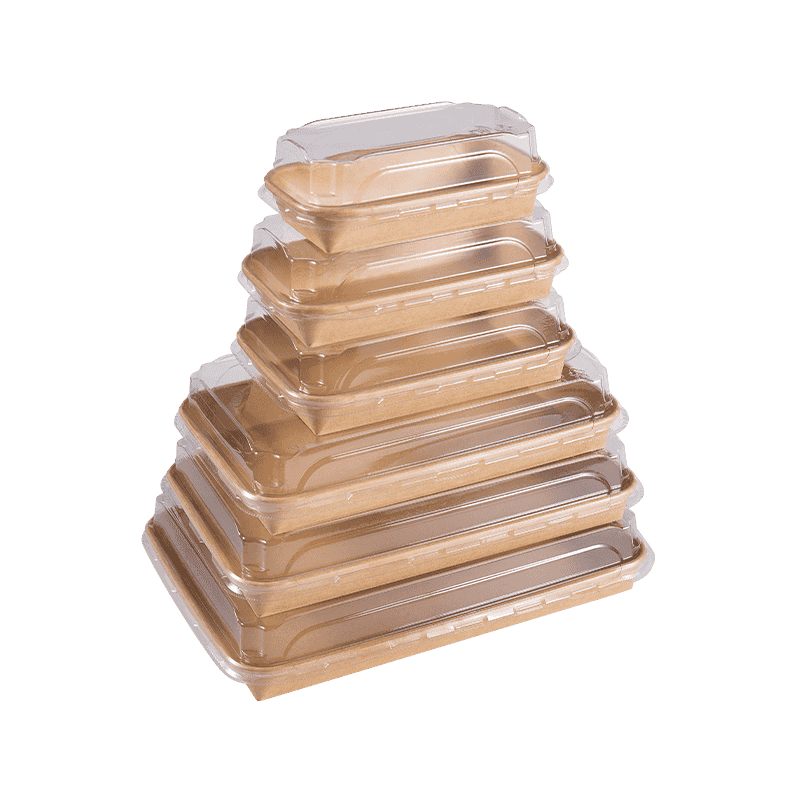
Specialized Applications and Niche Advantages
The benefits of kraft paper bowls extend into specific market segments and applications, where their properties solve particular challenges.
The Ideal Solution for Catered Events and Large Gatherings
Catering presents unique logistical hurdles: food must be transported, often held for service, and presented appealingly in volume. Kraft paper salad bowls bulk for party supplies are a top choice for caterers. Their stackability saves space in transport vans. Their sturdiness prevents crushing in transit. Their natural, uniform look elevates the presentation at buffets or boxed lunch events compared to an assortment of plastics. Furthermore, they can be easily pre-labeled or customized with stamps or stickers for different meal types (e.g., vegan, gluten-free), streamlining service. For large parties, the cost-effectiveness of bulk purchasing, combined with this professional aesthetic, makes them an unparalleled choice, fulfilling both practical and presentation needs seamlessly.
Enhancing the Takeout and Delivery Experience
The explosion of food delivery has made packaging integrity paramount. A bowl that leaks, becomes soggy, or fails during transport results in negative reviews and lost customers. Kraft paper bowls, with their leak-resistant lining and rigid structure, are engineered to survive the delivery journey. They keep salads crisp and composed, and warm dishes insulated. This reliability directly protects a restaurant's reputation in the competitive online marketplace. The functional design of these bowls directly addresses the core pain points of food transit, making them a strategic choice for any business where takeout and delivery form a significant part of revenue.
Versatility Beyond Salads
While exceptional for salads, the utility of these bowls stretches far further. Their heat resistance and durability make them suitable for a wide array of dishes, which is a significant advantage for kitchens looking to minimize different packaging types. This versatility includes:
- Hot Breakfast Items: Oatmeal, scrambled eggs, breakfast potatoes, and baked beans are perfectly served in these bowls, as they retain heat well and feel substantial.
- Heartier Meals: Grain bowls (like buddha bowls or burrito bowls), pasta salads, noodle dishes (such as Asian-inspired noodle salads), and even lighter stews or chili can be effectively contained.
- Snacks and Sides: Chips, popcorn, French fries, onion rings, and vegetable crudités with dip are well-suited, as the bowl's sturdiness handles both dry and slightly oily items.
- Desserts and Sweets: Ice cream (with a proper wax or PLA lining to prevent immediate softening), fruit salads, parfaits, trifles, and even bakery items like cobblers can be presented attractively.
- Appetizers and Sharing Plates: Smaller-sized kraft paper bowls are excellent for serving individual portions of snacks like nuts, olives, or dipping sauces.
This remarkable versatility allows a food business to create a cohesive and recognizable packaging identity across its entire menu. A customer who receives a beautifully presented salad at lunch and later orders a warm grain bowl for dinner associates the consistent, quality feel of the kraft paper bowl with the brand itself. This brand reinforcement with every order, regardless of menu item, is a subtle yet powerful marketing tool that builds customer familiarity and trust. It also simplifies back-of-house operations, as staff don't need to deliberate over which container to use for different food types, speeding up service during peak hours. This operational simplicity, combined with the broad application range, underscores why many consider these containers a foundational element of efficient and brand-conscious food service.
The migration of professional chefs and food service operators towards kraft paper salad bowls is a decision rooted in a comprehensive evaluation of performance, economics, and ethics. It represents a move away from the limitations of conventional disposables towards a solution that better supports culinary artistry, operational efficiency, and environmental stewardship. These bowls are not just containers; they are a strategic tool for enhancing food quality, strengthening brand identity, and meeting the sophisticated demands of today's diners. As the industry continues to evolve towards greater sustainability and higher customer expectations, the functional robustness, natural appeal, and versatile performance of kraft paper position it not as a mere alternative, but as the leading choice for forward-thinking food professionals who understand that every detail, including the bowl, contributes to the ultimate dining experience and business success.
 +86-0563-8029081
 +86-0563-8029081
 No. 12 Sanxi Road, Xinqiao Development Zone, Jingde Country, Xuancheng City, Anhui Province.