
 English
 Español
 عربى
عربىContent
- 1 Introduction: The Evolution of Food-Grade Paper Containers
- 2 Understanding the Core: Single-Wall vs. Double-Wall vs. Ripple-Wall
- 3 The Science of Barrier Coatings: PE vs. PLA vs. Aqueous
- 4 Raw Material Quality: GSM and Fiber Strength
- 5 Food Safety Certifications and Global Compliance
- 6 Comparison: Paper Cups vs. Plastic Cups in B2B Procurement
- 7 FAQ
- 8 References
Introduction: The Evolution of Food-Grade Paper Containers
The global demand for high-quality paper cups has shifted from simple disposable containers to engineered packaging solutions. For B2B procurement managers and manufacturing distributors, understanding the structural integrity and chemical safety of paper cups is critical. This guide explores the technical nuances of paper cup production, comparing different wall structures and the science behind modern barrier coatings.
Understanding the Core: Single-Wall vs. Double-Wall vs. Ripple-Wall
The mechanical design of a paper cup determines its thermal insulation and structural rigidity. Selecting the right wall type is the first step in aligning a product with its intended beverage application.
1. Single-Wall Paper Cups
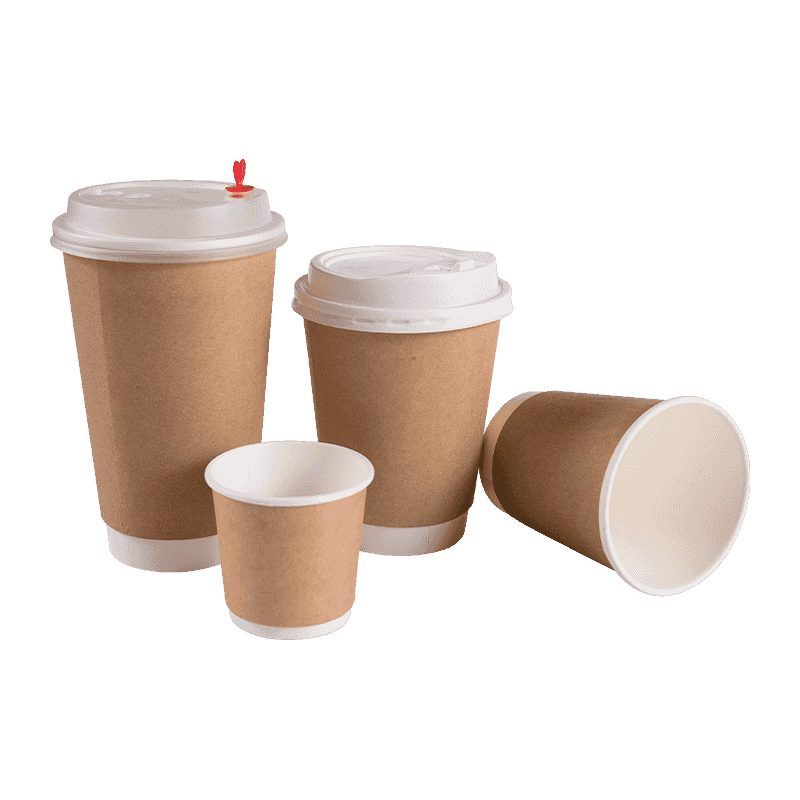
Single-wall cups consist of a single layer of high-density paperboard. While they are the most cost-effective option, their thermal resistance is limited. They are primarily used for cold beverages or hot drinks served with a secondary protective sleeve.
2. Double-Wall Paper Cups
A double-wall cup features an inner paper layer and an outer decorative layer, creating a slim air gap between them. This air pocket acts as a natural thermal insulator, keeping the beverage hot while ensuring the exterior remains comfortable to the touch.
3. Ripple-Wall Paper Cups
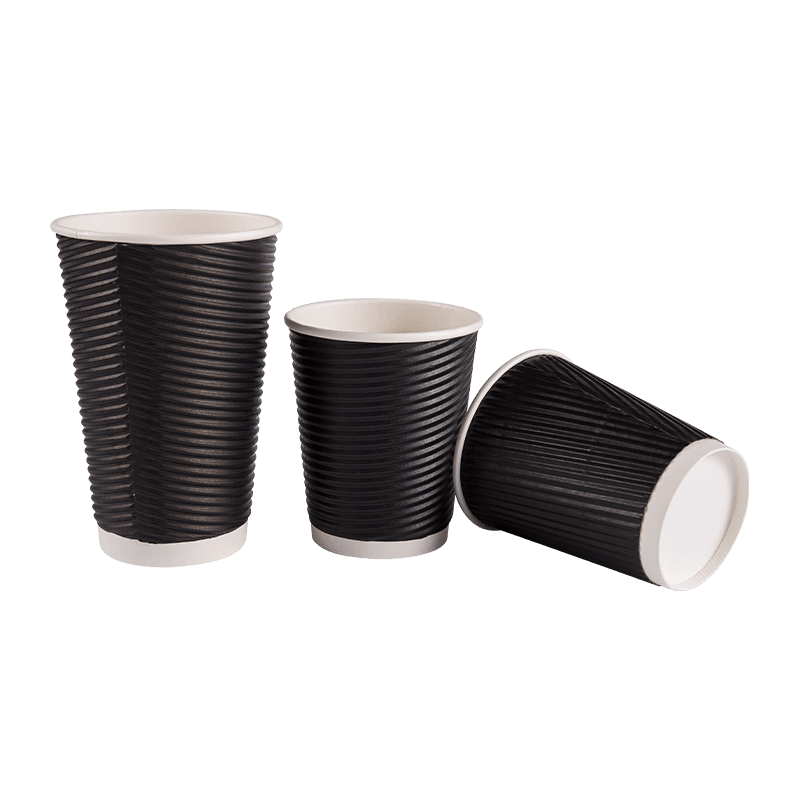
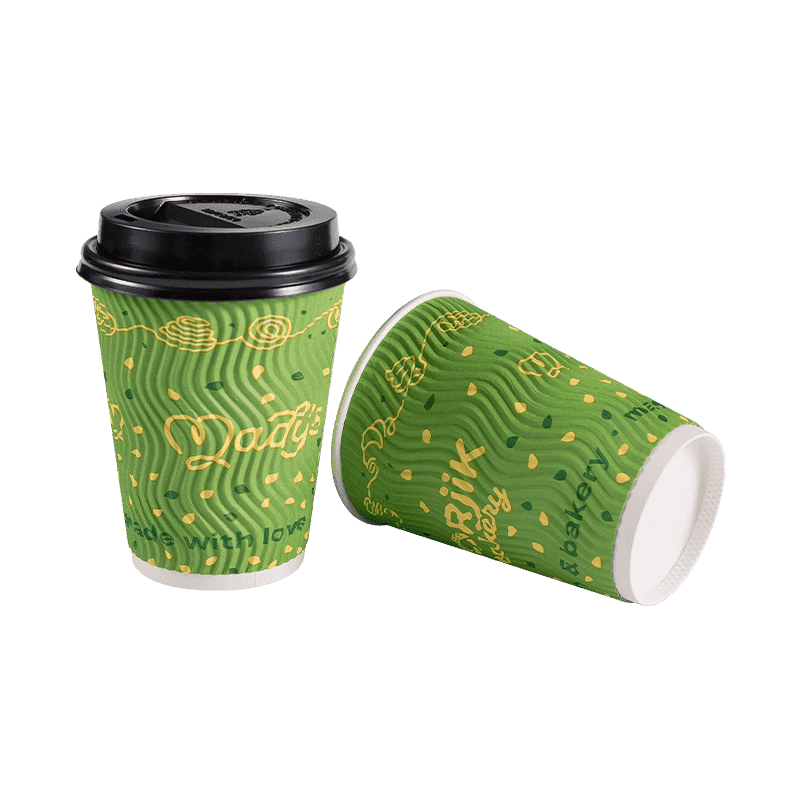
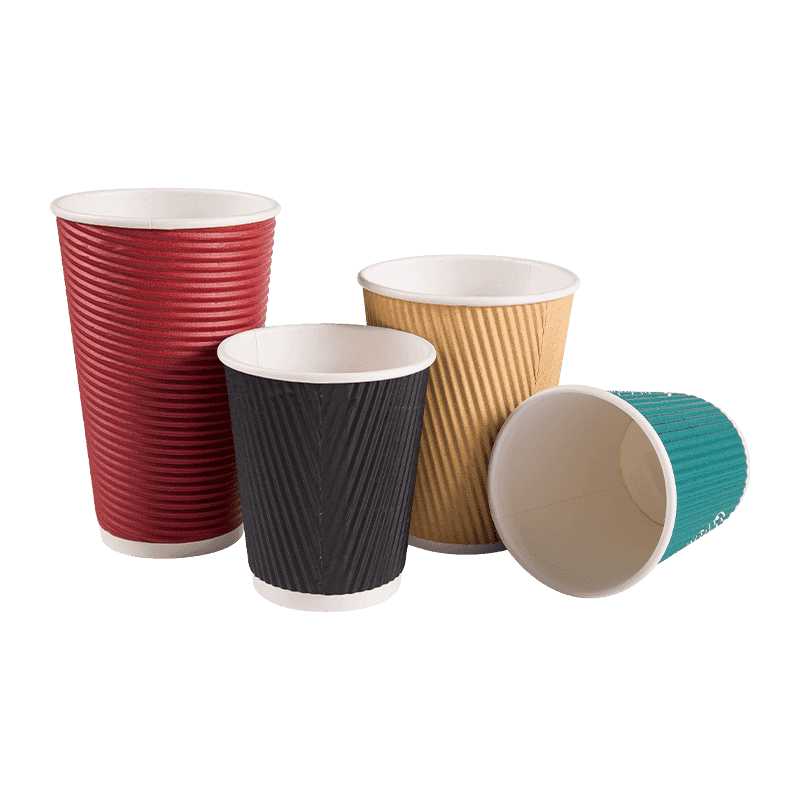
The ripple-wall design uses a corrugated outer layer. This provides the highest level of heat retention and the best ergonomic grip. It eliminates the need for additional sleeves entirely, reducing waste in high-volume environments.
| Feature | Single-Wall | Double-Wall | Ripple-Wall |
|---|---|---|---|
| Thermal Insulation | Low | Medium-High | Superior |
| Structural Rigidity | Standard | High | Very High |
| Sleeve Required | Yes (for hot) | No | No |
| Primary Use Case | Cold drinks/Juice | Coffee/Tea | Extra-hot Lattes |
The Science of Barrier Coatings: PE vs. PLA vs. Aqueous
Since paper is naturally porous, a barrier coating is essential to prevent liquid absorption and leakage. The choice of coating impacts both the functionality of the cup and its end-of-life processing.
Polyethylene (PE) Coating
PE has been the industry standard for decades. It is a petroleum-based plastic that is sprayed onto the paperboard.
- Advantages: Extremely moisture-resistant, excellent sealing properties, and cost-effective.
- Disadvantages: Difficult to separate from paper fibers during traditional recycling processes.
Polylactic Acid (PLA) Coating
PLA is a bioplastic derived from renewable resources like corn starch.
- Advantages: It provides a similar moisture barrier to PE but is industrially compostable.
- Disadvantages: It has a lower melting point compared to PE and requires specific industrial composting facilities to break down effectively.
Aqueous (Water-Based) Coating
This is the latest innovation in the industry. Instead of a plastic film, a water-based dispersion is applied to the paper.
- Advantages: The coating is absorbed into the paper fibers, making the cup fully recyclable in standard paper mills.
- Disadvantages: The production process is more complex and currently carries a higher price point.
Raw Material Quality: GSM and Fiber Strength
The durability of a paper cup is measured by the weight of the paperboard, expressed in Grams per Square Meter (GSM).
For a standard 12oz cup, the base paperboard typically ranges from 280 GSM to 350 GSM. High-quality manufacturers use virgin wood pulp fibers, which offer superior stiffness compared to recycled fibers. Virgin pulp ensures that the cup does not “soften” or collapse when exposed to steam or high-temperature liquids for extended periods.
Manufacturing Precision and Leakage Prevention
The integrity of a paper cup relies on the precision of the ultrasonic or heat-sealing process. The bottom seal and the side seam are the most vulnerable points.
- Ultrasonic Sealing: Ideal for PLA-coated cups as it uses high-frequency vibrations to create a bond without overheating the bioplastic.
- Heat Sealing: Most common for PE-coated cups, ensuring a leak-proof bond that can withstand temperatures up to 90 degrees Celsius.
Food Safety Certifications and Global Compliance
When exporting to international markets, adherence to safety standards is non-negotiable. Procurement teams must verify that the raw materials and the final products meet specific regional requirements:
- FDA (USA): Ensures the paper and coating are safe for direct food contact.
- LFGB (Germany/Europe): One of the strictest standards regarding chemical migration.
- FSC (Global): Certifies that the paper originates from responsibly managed forests.
Comparison: Paper Cups vs. Plastic Cups in B2B Procurement
While plastic cups are often cheaper, paper cups offer distinct advantages in professional settings:
- Heat Tolerance: Paper handles high temperatures better without deforming or releasing odors.
- Brandability: The matte surface of paperboard allows for high-definition offset printing, which is superior to the printing quality on most plastic surfaces.
- Consumer Perception: In the modern market, paper is viewed as a premium and more responsible choice for corporate and hospitality environments.
FAQ
1. Can paper cups be used for both hot and cold drinks?
Yes, but the coating matters. PE-coated cups are versatile for both. However, for cold drinks with high condensation, a double-PE coating (inside and outside) is recommended to prevent the paper from becoming soggy.
2. What is the difference between compostable and recyclable paper cups?
Compostable cups (PLA-lined) are designed to break down in industrial compost facilities. Recyclable cups (usually Aqueous-coated) can be processed by standard paper recycling plants to recover the wood fibers.
3. Does the thickness of the paper affect the taste of the coffee?
The thickness (GSM) does not affect the taste directly, but it affects the temperature. Thicker cups or double-wall designs maintain the optimal drinking temperature for 15-20 minutes longer than thin single-wall cups.
4. Why do some paper cups have a “plastic” smell when hot water is added?
This usually occurs in low-quality cups where non-food-grade PE or excessive adhesives are used. High-quality, certified food-grade cups are odorless even at boiling temperatures.
5. How should paper cups be stored to maintain their quality?
They should be kept in a cool, dry place away from direct sunlight and high humidity. Excessive moisture in the storage area can weaken the paper fibers before the cups are even used.
References
- Food and Drug Administration (FDA) - CFR 21 Code of Federal Regulations for Food Contact Substances.
- European Food Safety Authority (EFSA) - Scientific Opinion on Paper and Board Materials.
- International Organization for Standardization (ISO) - ISO 18604: Packaging and the Environment.
- Forest Stewardship Council (FSC) - Chain of Custody Certification Standards.
- Journal of Applied Polymer Science - Comparative Analysis of PE and PLA Coating Performance in Food Packaging.
 +86-0563-8029081
 +86-0563-8029081
 No. 12 Sanxi Road, Xinqiao Development Zone, Jingde Country, Xuancheng City, Anhui Province.