
 English
 Español
 عربى
عربىContent
- 1 Introduction to Double Wall Insulation Technology
- 2 Structural Anatomy: Beyond the Second Layer
- 3 Comparative Performance: Double Wall vs. Single Wall
- 4 Manufacturing Specifications and Material Weight (GSM)
- 5 Internal Coating Systems: PE, PLA, and Aqueous Solutions
- 6 International Compliance and Food Safety Certifications
- 7 Impact on Logistics and Operational Efficiency
- 8 Conclusion: The Strategic Choice for Premium Brands
- 9 FAQ
- 10 References
Introduction to Double Wall Insulation Technology
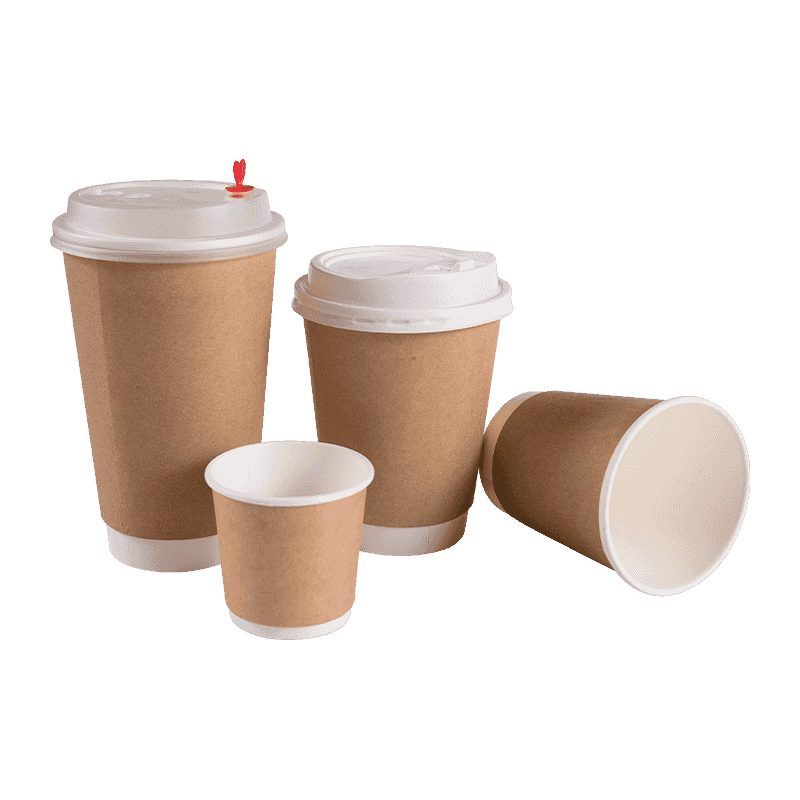
In the global beverage packaging industry, the double-wall paper cup represents a significant evolution in thermal management and consumer safety. Unlike the traditional single-wall construction, which relies on a single layer of paperboard, the double-wall variant is engineered with a sophisticated two-layer architecture. This design is specifically tailored for the high-temperature demands of the specialty coffee and tea markets. For international importers and distributors, understanding the mechanical advantages of this structure is essential for maintaining brand reputation and ensuring end-user satisfaction.
Structural Anatomy: Beyond the Second Layer
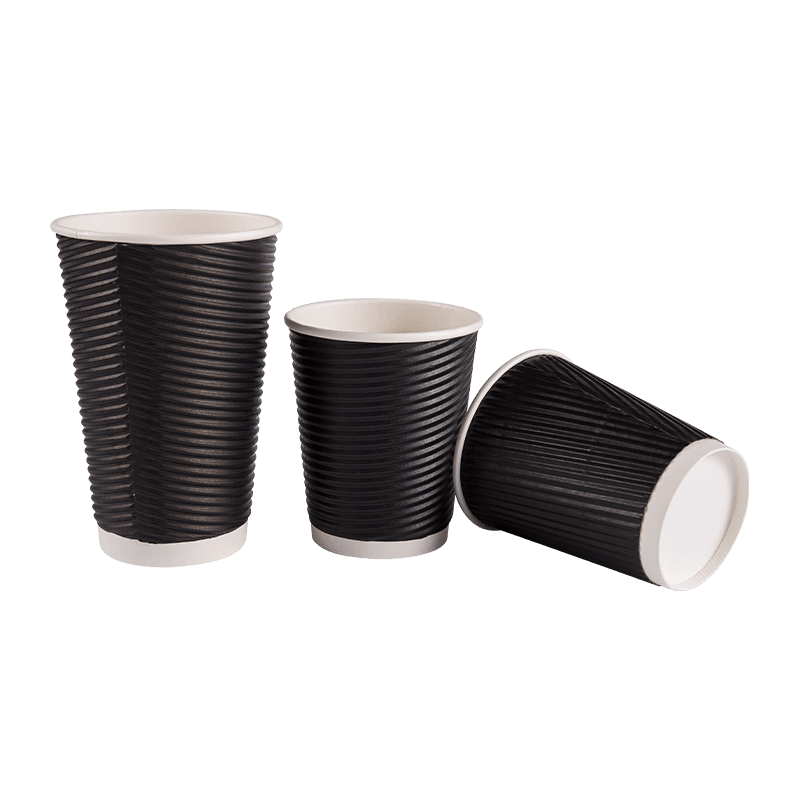
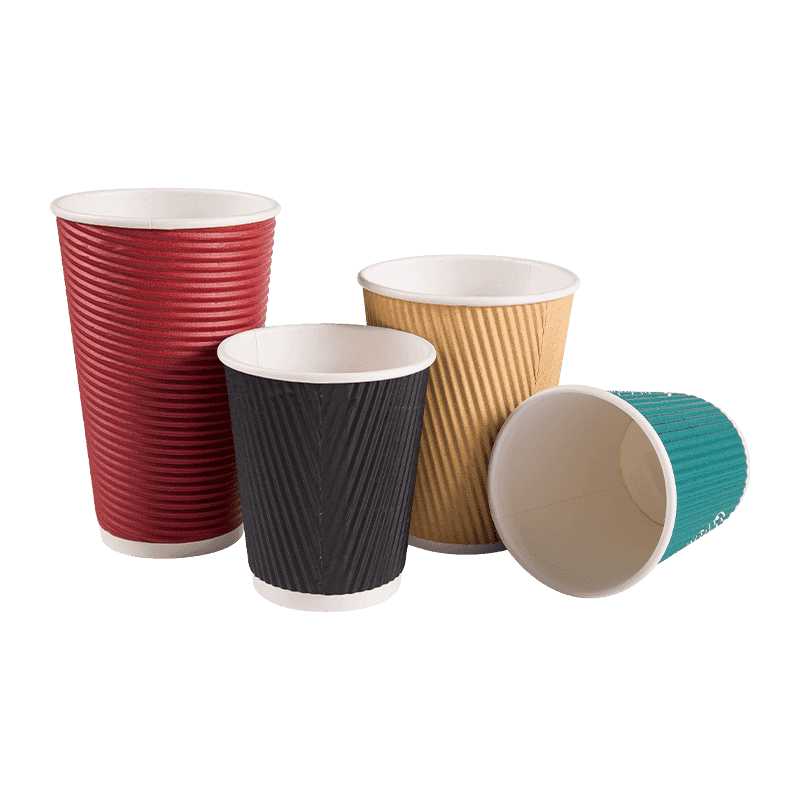
The core differentiator of a double-wall paper cup is the insulating air pocket trapped between the inner and outer paperboard layers. This “thermos effect” is achieved through a precise manufacturing process where an additional sleeve is bonded to the base cup.
- Inner Wall: Typically composed of high-quality virgin pulp paperboard, ranging from 180 gsm to 250 gsm. It is coated with a waterproof barrier (PE, PLA, or aqueous coating) to prevent moisture absorption.
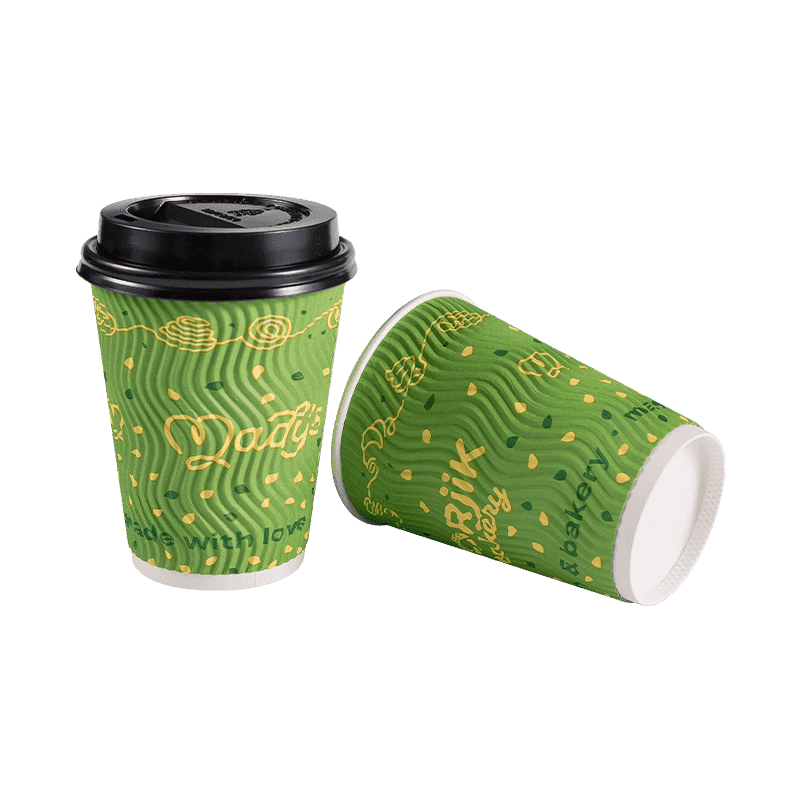
- Outer Wall: This layer provides structural rigidity and serves as the primary surface for high-definition branding. It usually consists of 200 gsm to 300 gsm paperboard.
- The Air Gap: The critical insulating buffer that slows down the kinetic energy transfer (heat) from the liquid to the hand.
Comparative Performance: Double Wall vs. Single Wall
For B2B buyers, the choice between cup types often boils down to functional performance during the “takeaway” window (typically 15 to 30 minutes). Below is a technical breakdown of how these two categories perform under standardized testing conditions (using liquid at 90°C).
| Performance Metric | Single Wall Paper Cup | Double-Wall Paper Cup |
|---|---|---|
| Heat Retention (30 mins) | ~65°C (Requires Sleeve) | ~75°C (No Sleeve Needed) |
| External Surface Temp | ~80°C (High Burn Risk) | ~45°C - 55°C (Safe to Hold) |
| Structural Integrity | Prone to softening after 20 mins | Maintains rigidity for 60+ mins |
| Material Usage | Lower (Eco-minimalist) | Higher (Premium Protection) |
| Sleeve Requirement | Mandatory for Hot Drinks | Eliminated |
Manufacturing Specifications and Material Weight (GSM)
Quality consistency in large-scale exports depends on the Grams per Square Meter (GSM) of the paperboard used. A common challenge in the industry is “cup collapse,” where a cup loses its shape due to the weight and heat of the beverage. Double-wall cups mitigate this risk through their combined material weight. In a standard 12-oz double-wall cup, the combined density often exceeds 450 gsm, providing a tactile sense of “premium quality” that reflects well on the beverage provider.
Internal Coating Systems: PE, PLA, and Aqueous Solutions
The internal lining is what makes the paper cup functional for liquids. As a manufacturer, we categorize these into three primary technical paths:
- Polyethylene (PE): The industry standard for moisture barrier and heat sealing. It offers the most cost-effective and reliable leak protection.
- Polylactic Acid (PLA): A bio-plastic derived from corn starch. It performs similarly to PE but is designed for industrial composting facilities.
- Aqueous Coating: A water-based dispersion coating that is applied like ink. This technology allows the cup to be repulped and recycled in standard paper recycling streams, addressing the growing global demand for circular economy solutions.
International Compliance and Food Safety Certifications
For products intended for the European, North American, and Australian markets, strict adherence to food contact material (FCM) regulations is non-negotiable. B2B procurement teams must verify that double-wall cups meet the following standards:
- FDA Compliance: Ensures all materials, including inks and glues, are safe for human consumption.
- EU 10/2011 & 1935/2004: Regulations governing plastic materials and articles intended to come into contact with food in the European Union.
- FSC Certification: Guarantees that the paper pulp is sourced from responsibly managed forests.
- ISO 9001/22000: International standards for quality management and food safety management systems.
Impact on Logistics and Operational Efficiency
From a supply chain perspective, double-wall cups offer a unique trade-off. While they have a higher unit cost compared to single-wall cups, they eliminate the need for separate cardboard sleeves. This reduction in SKU (Stock Keeping Unit) management simplifies inventory for large café chains and reduces the labor time required by baristas to prepare a drink. Furthermore, the increased rigidity of double-wall cups reduces the rate of “crushed product” during long-distance maritime shipping.
Conclusion: The Strategic Choice for Premium Brands
The double-walled paper cup is more than just a container; it is a tool for enhancing the customer experience. By providing superior heat retention and eliminating the discomfort of a hot exterior, businesses can ensure their product is enjoyed at the optimal temperature. For the international market, investing in high-specification double-wall production ensures compliance with safety standards and positions a brand at the premium end of the global coffee culture.
FAQ
-
Do double-walled paper cups require a separate sleeve for hot coffee?
No. The integrated air gap between the two layers provides sufficient thermal insulation, keeping the exterior at a comfortable temperature even when filled with 90°C liquids. -
What is the standard lead time for customized double-wall cup orders?
Standard production for bulk export orders typically ranges from 20 to 30 days, depending on the complexity of the custom printing and the total volume of the shipment. -
Can double-walled cups be used for cold beverages?
While designed for hot drinks, they are highly effective for cold drinks as the double layer prevents condensation (sweating) on the outside of the cup, keeping the user’s hands dry. -
Are these cups compatible with standard lid sizes?
Yes. Most professional manufacturers produce double-wall cups with standard rim diameters (80mm or 90mm) to ensure they fit universal plastic or bagasse lids. -
How does the weight (GSM) of a double-wall cup compare to that of a single-wall cup?
A double-wall cup typically has a combined paper weight of 400-500 gsm, whereas a single-wall cup usually ranges between 180-350 gsm. This extra weight contributes to significantly higher durability.
References
- Food and Drug Administration (FDA): Code of Federal Regulations Title 21 - Food for Human Consumption.
- European Food Safety Authority (EFSA): Regulation (EC) No 1935/2004 on materials and articles intended to come into contact with food.
- Forest Stewardship Council (FSC): Standards for sustainable forest management and chain of custody.
- International Organization for Standardization (ISO): ISO 22000:2018 - Food safety management systems.
- ASTM International: ASTM D6400 - Standard Specification for Labeling of Plastics Designed to be Aerobically Composted in Municipal or Industrial Facilities.

 +86-0563-8029081
 +86-0563-8029081
 No. 12 Sanxi Road, Xinqiao Development Zone, Jingde Country, Xuancheng City, Anhui Province.