
 English
 Español
 عربى
عربىIn today's fast-paced world, the cold coffee paper cup is more than just a container; it's an integral part of the consumer experience and a critical touchpoint for brand identity. For businesses, selecting the right cup involves balancing functionality, sustainability, cost, and branding. This guide delves deep into the intricacies of cold coffee paper cups, providing actionable insights to help you make an informed decision that benefits your operations, your customers, and the planet.
Content
- 1 Beyond the Basics: Material and Coating Technologies
- 2 Design and Functional Features for Enhanced Usability
- 3 Navigating the Sustainability Landscape
- 4 Cost Analysis and Sourcing Strategies
- 5 Making the Right Choice: A Decision Framework
- 6
- 7 FAQs: Your Cold Coffee Paper Cup Questions Answered
- 7.1 What is the most eco-friendly lining for a cold coffee paper cup?
- 7.2 Can paper cups for cold drinks be made leak-proof?
- 7.3 How far in advance should I order custom printed paper cups?
- 7.4 Is double-walled construction necessary for cold drinks?
- 7.5 What certifications should I look for in a sustainable paper cup supplier?
Beyond the Basics: Material and Coating Technologies
The foundation of a high-performance paper cup lies in its material composition and coating. These elements determine the cup's ability to hold liquid without leaking, maintain temperature, and align with environmental goals.
Primary Material Grades
- Virgin Paperboard: Sourced from sustainably managed forests, it offers superior strength, brightness, and food safety. Ideal for premium branding and ensuring no contamination from recycled fibers.
- Recycled Content Paperboard: Incorporates post-consumer waste, reducing the overall environmental footprint. The quality has significantly improved, making it a viable option for many businesses.
Inner Coating Comparisons: Function vs. Sustainability
The inner lining is crucial for preventing leaks and sogginess. Here's how the main coating options compare in performance and environmental impact.
Polyethylene (PE) coating provides an excellent moisture barrier and is cost-effective, but it can complicate recycling. Polylactic Acid (PLA) coating, derived from plants like corn, is compostable in industrial facilities, offering a bio-based alternative. Water-based coating (or non-plastic coating) represents the latest innovation, often allowing the cup to be recycled with ordinary paper, though its barrier properties are continually being enhanced.
| Coating Type | Key Properties | Sustainability Profile | Best For |
|---|---|---|---|
| Polyethylene (PE) | Excellent leak resistance, cost-effective, widely compatible. | Recyclable in specialized streams; traditional plastic derivative. | High-volume operations where cost and reliability are paramount. |
| Polylactic Acid (PLA) | Compostable in industrial facilities, made from renewable resources. | Bio-based, reduces fossil fuel use; requires specific composting conditions. | Businesses with access to commercial composting, aiming for a green image. |
| Water-Based (Non-Plastic) | Potential for easy paper recycling, evolving technology. | Often touted as "plastic-free," facilitates simpler recycling processes. | Forward-thinking brands prioritizing circular economy and waste stream simplicity. |
For instance, a manufacturer like Xuancheng Bo Site Commodity Co., Ltd. offers all three options, allowing clients to choose based on their specific market needs and sustainability commitments, whether targeting eco-conscious consumers in Europe or high-volume chains domestically.
Design and Functional Features for Enhanced Usability
A great cold coffee paper cup must perform flawlessly in the customer's hand. Key design elements directly impact user satisfaction.
Essential Functional Attributes
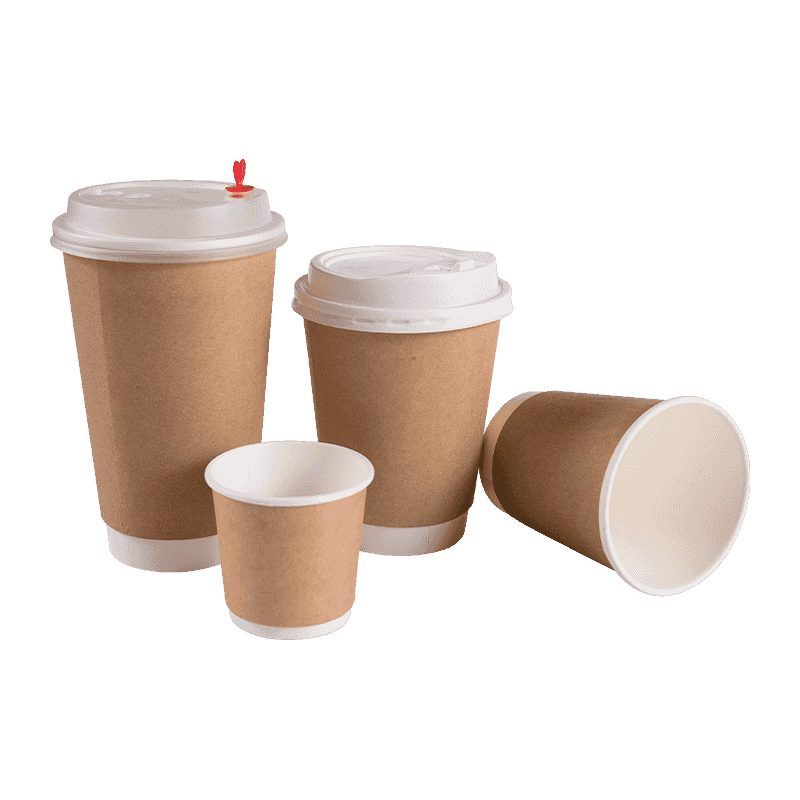
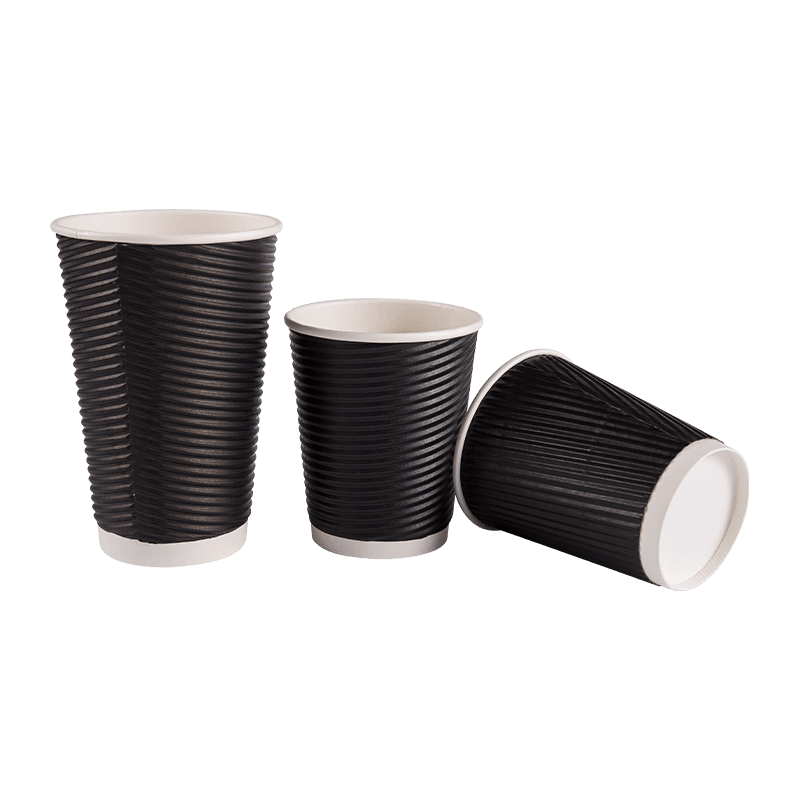
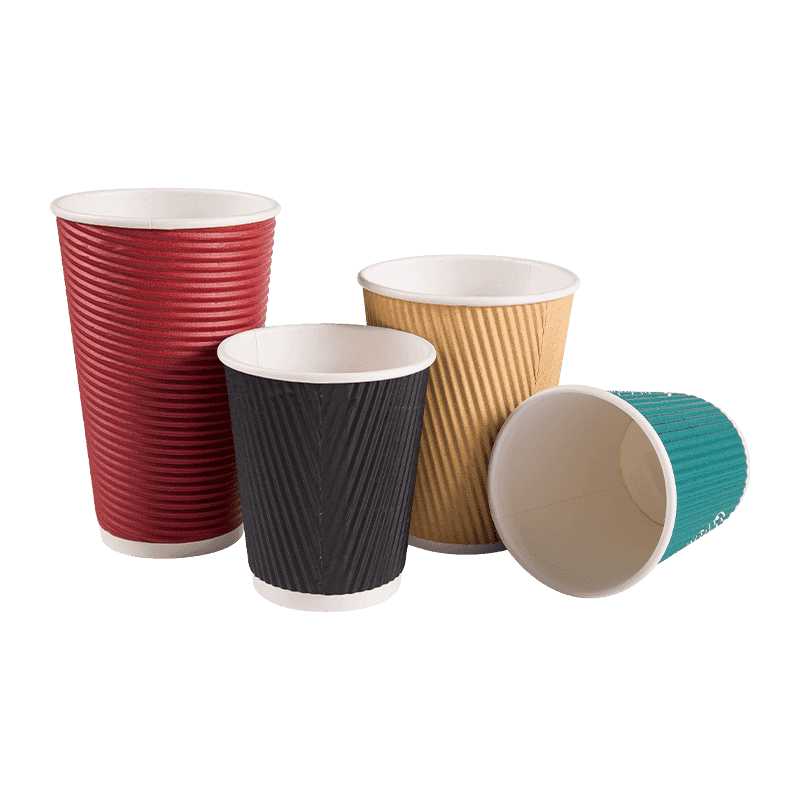
- Wall Integrity: Double-walled construction not only provides better insulation, keeping iced coffee colder for longer, but also prevents condensation, ensuring a comfortable, dry grip.
- Lid Compatibility: A precisely formed rim is non-negotiable. It must securely fit a variety of flat or dome lids without leaking, especially during transport.
- Straw Integration: The cup design should accommodate straws seamlessly. This includes considering the tear-off tab for sip lids or the fit of a separate straw through a lid opening.
Branding and Aesthetics
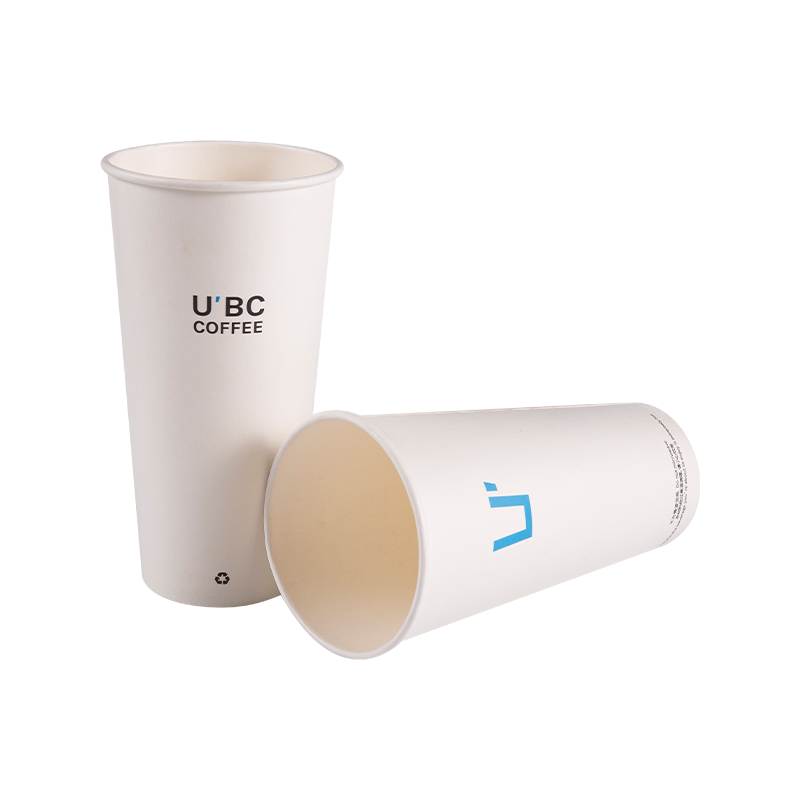
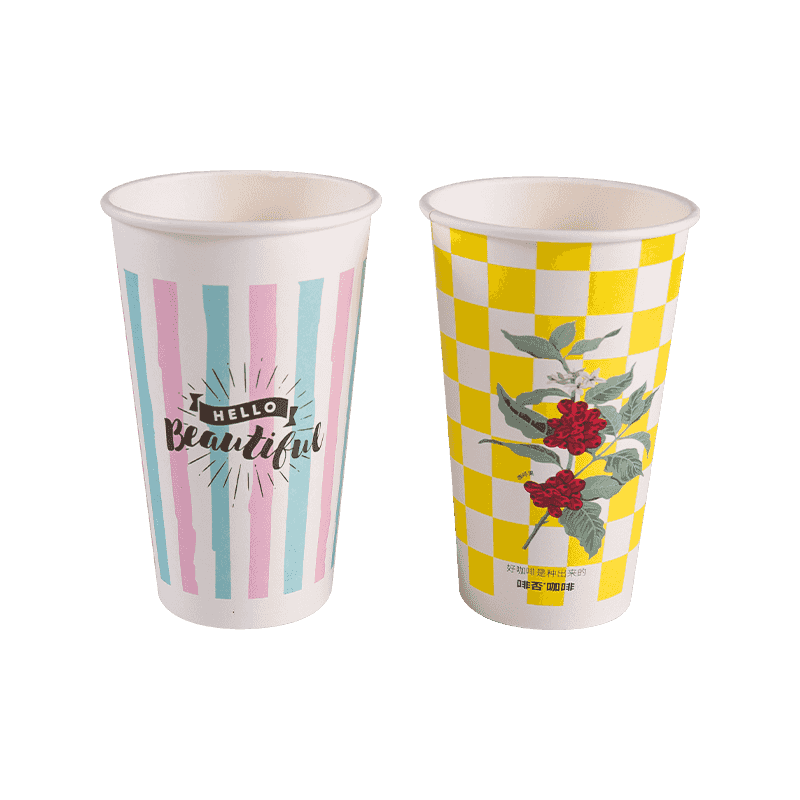
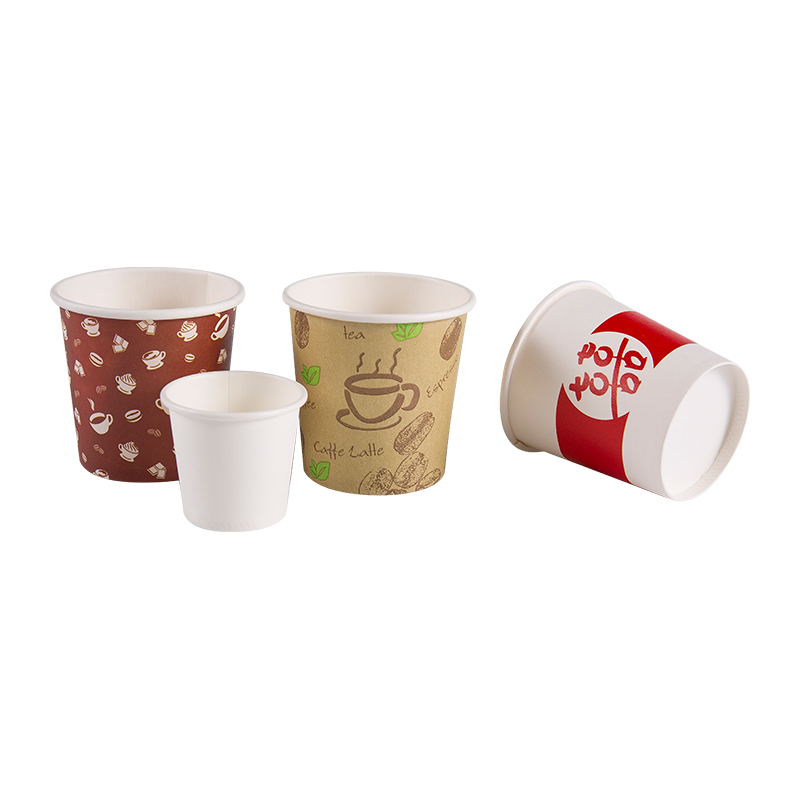
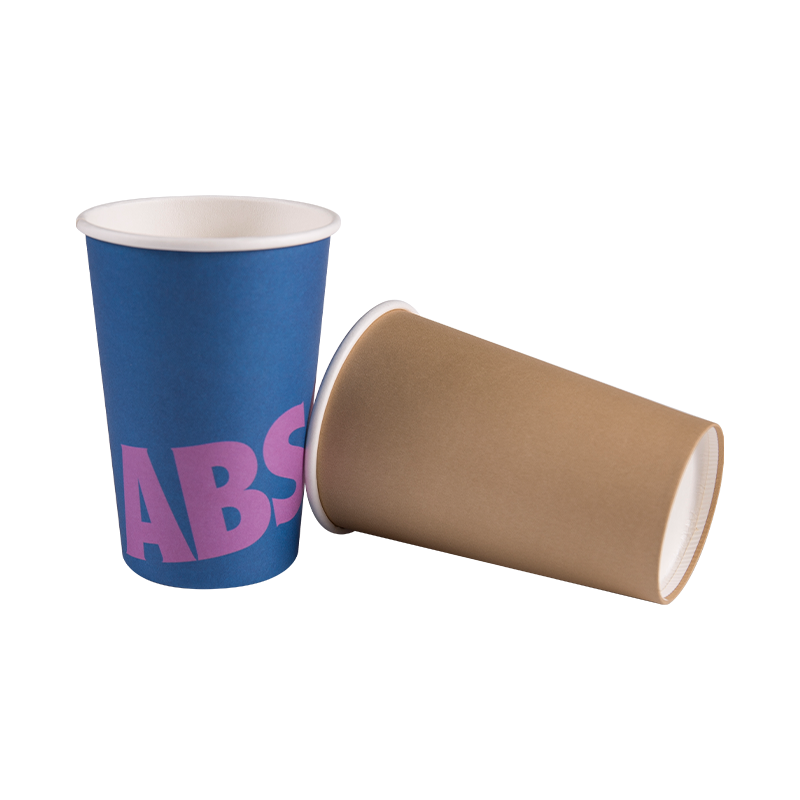
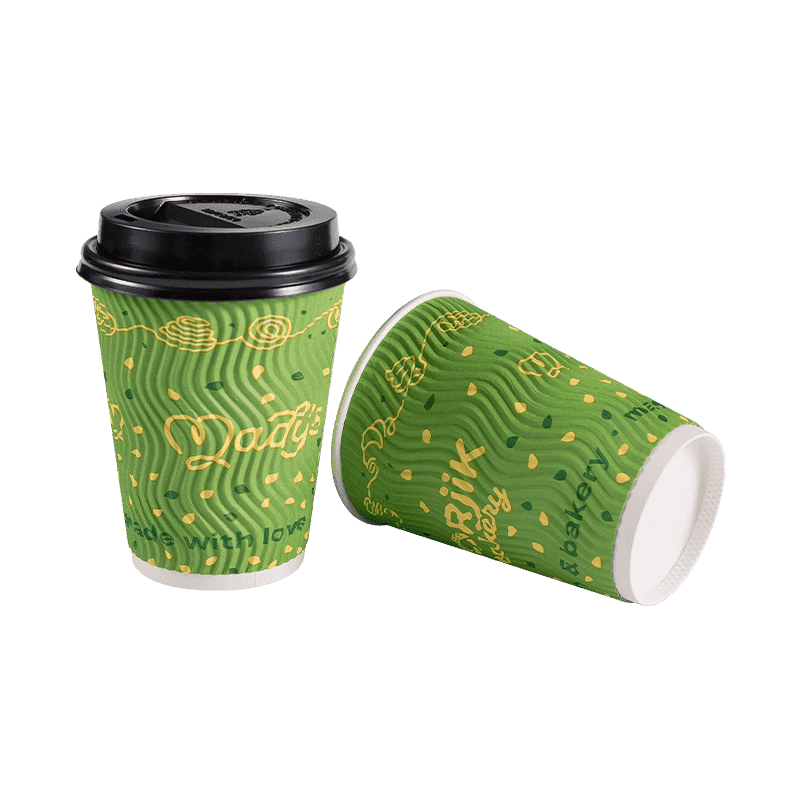
The cup is a mobile billboard. High-quality printing techniques, such as the UV offset printing employed by advanced manufacturers, allow for vibrant, durable graphics that won't smudge from condensation. Choosing the right size, from a small expresso serving to a large 24-ounce cup, is also part of functional design.
Sustainability is no longer a niche concern but a market expectation. Understanding end-of-life options is crucial for making responsible claims.
End-of-Life Pathways Explained
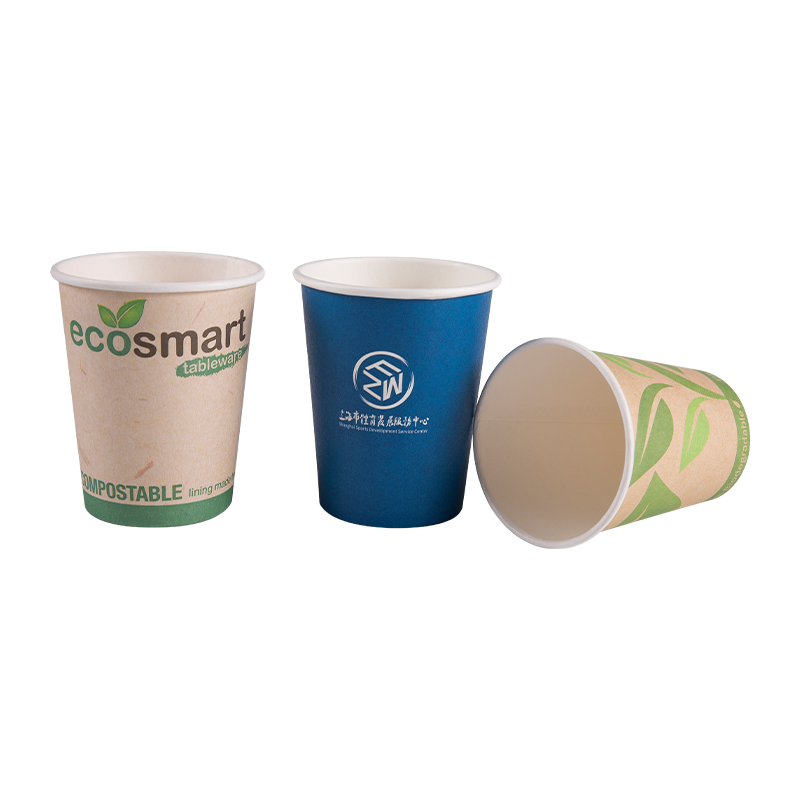
The ideal biodegradable paper cups for iced beverages would leave no trace, but reality involves trade-offs. Industrially compostable cups (like those with PLA lining) break down in about 90 days in a controlled facility. Recyclability depends heavily on local infrastructure; water-based coated cups have a significant advantage here. It's vital to communicate the correct disposal method to consumers to avoid wish-cycling.
Certifications to Trust
- FSC (Forest Stewardship Council): Ensures paper comes from responsibly managed forests.
- BPI Certification: Verifies a product is industrially compostable (for PLA-based products).
- ISO 14001: Indicates the manufacturer, like Xuancheng Bo Site Commodity Co., Ltd., has a robust environmental management system in place.
Cost Analysis and Sourcing Strategies
Balancing budget with quality requires a strategic view of the total cost of ownership, not just the unit price.
Breaking Down the Cost Components
The price per cup is influenced by material (virgin vs. recycled), coating type (PLA is often more expensive than PE), order volume, and printing complexity. While a basic PE-coated cup might have the lowest upfront cost, a compostable cup for cold brew coffee made with PLA could enhance brand value and justify a premium.
Strategic Sourcing for Business
Partnering with a manufacturer that offers scalability and consistency is key. For businesses seeking custom printed paper cups for iced coffee, finding a supplier with in-house design support, a wide range of molds (like the 40+ available at Xuancheng Bo Site), and flexible production runs can streamline operations. For those needing bulk paper cups for cold drinks, a manufacturer with an annual capacity in the billions ensures supply chain reliability for large campaigns or chain-wide deployments.
Making the Right Choice: A Decision Framework
Selecting the perfect cup is a multi-faceted decision. Here’s a framework to guide you.
Assessing Your Primary Need
First, identify your non-negotiable requirement. Is it superior insulation for a product meant to be savored, leading you to look for a cup that keeps iced coffee colder for longer? Or is demonstrating environmental leadership your core goal, making a certified compostable cup for cold brew coffee essential? Perhaps standing out in a crowded market is paramount, necessitating high-quality custom printed paper cups for iced coffee.
Partnering with the Right Manufacturer
Look for a partner with proven expertise, comprehensive certifications (ISO 9001, 14001, 45001), and the technological capability to deliver on your needs. A supplier with strong R&D, like one holding multiple invention patents, can also be a valuable partner in innovating your packaging solutions for the future.
FAQs: Your Cold Coffee Paper Cup Questions Answered
What is the most eco-friendly lining for a cold coffee paper cup?
Currently, water-based (non-plastic) coatings are considered highly eco-friendly as they often allow the cup to be recycled with standard paper. PLA lining is another excellent option if you have access to industrial composting facilities, as it is derived from plants and compostable.
Can paper cups for cold drinks be made leak-proof?
Absolutely. The combination of high-quality paperboard, a proper moisture barrier coating (like PE or advanced water-based coatings), and a perfectly matched lid creates a completely leak-proof system suitable for active consumption.
How far in advance should I order custom printed paper cups?
Lead times vary but generally range from 4 to 8 weeks for custom orders. This includes design approval, plate making for printing, production, and shipping. Always plan well ahead of major promotions or seasonal launches and consult with your manufacturer for an accurate timeline.
Is double-walled construction necessary for cold drinks?
While not always necessary, it is highly recommended. The air gap between walls provides excellent insulation, keeping the drink colder and preventing exterior condensation, which improves comfort and protects printed designs and customers' hands.
What certifications should I look for in a sustainable paper cup supplier?
Key certifications include FSC (for sustainable paper sourcing), BPI (for compostable products), and ISO 14001 (environmental management). A manufacturer holding these, along with food safety certifications like a national production license, demonstrates a serious commitment to quality and sustainability.
 +86-0563-8029081
 +86-0563-8029081
 No. 12 Sanxi Road, Xinqiao Development Zone, Jingde Country, Xuancheng City, Anhui Province.