
 English
 Español
 عربى
عربىIn the bustling world of specialty coffee and on-the-go culture, the humble cold coffee paper cup has evolved from a simple container to a critical component of brand experience, operational efficiency, and environmental responsibility. For cafes, chains, and beverage businesses, selecting the right cup involves navigating materials, coatings, printing, and compliance. This guide delves into the specifics, offering a professional, in-depth look to inform your procurement decisions. As a leader in this field, Xuancheng Bo Site Commodity Co., Ltd. brings nearly two decades of expertise as a premier China Custom Disposable Catering Packaging Solution Manufacturer and Paper Catering Packaging Solution Supplier, combining high-tech production with a commitment to sustainable, high-quality solutions for markets worldwide.
Content
- 1 Understanding Cold Coffee Paper Cup Fundamentals
- 2 Critical Considerations for Choosing Your Cold Coffee Cups
- 3 Why Partner with a Specialist Manufacturer Like Xuancheng Bo Site Commodity Co., Ltd.?
- 4 FAQs: Your Cold Coffee Paper Cup Questions Answered
- 4.1 1. What is the most sustainable type of cold coffee paper cup?
- 4.2 2. Can I get custom printing on a small order of cups?
- 4.3 3. How can I ensure my iced coffee cup won't leak or get soggy?
- 4.4 4. What's the difference between PLA and PE coating in terms of feel and use?
- 4.5 5. What certifications should I look for in a supplier?
- 5
- 6 References
Understanding Cold Coffee Paper Cup Fundamentals
Unlike their hot beverage counterparts, cold coffee paper cups are engineered to manage condensation, maintain structural integrity with icy liquids, and often feature designs that enhance the visual appeal of layered iced drinks. The core construction typically involves high-quality paperboard and a crucial interior lining.
Key Material Components and Their Functions
Paperboard Base
- Source: Typically sourced from sustainably managed forests (e.g., FSC-certified).
- Weight & Rigidity: Heavier grammage than hot cups to prevent sogginess.
- Function: Provides the primary structure and insulation against hand heat.
Interior Lining (Coating)
The lining is arguably the most critical element, defining the cup's functionality and end-of-life profile. The choice between PLA coating vs PE coating for cold cups is a primary consideration for businesses.
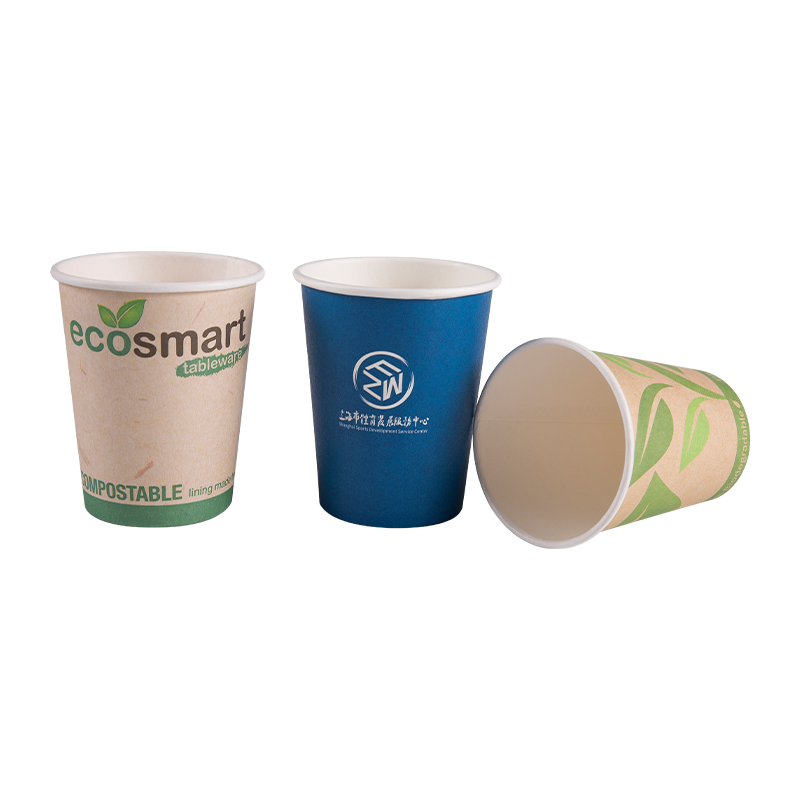
While PE (Polyethylene) has been the traditional, cost-effective barrier, PLA (Polylactic Acid), derived from renewable resources like corn starch, offers a compostable alternative under industrial conditions. A water-based coating provides a third, non-plastic option, though with different performance characteristics.
Material and Coating Comparison
The following table compares the three primary lining options, highlighting their suitability for custom printed cold brew coffee cups and overall application.
| Coating Type | Material Source | Key Property | Best For | End-of-Life Option |
| PE (Polyethylene) | Fossil Fuels | Excellent liquid barrier, strong & flexible | General cold beverages, cost-sensitive operations | Recycling (where facilities accept) |
| PLA (Polylactic Acid) | Renewable (e.g., Corn, Sugarcane) | Clear, glossy finish, compostable (industrial) | Brands emphasizing biodegrability & premium feel | Industrial Composting |
| Water-Based (Non-Plastic) | Mineral & Polymer Blends | Plastic-free, recyclable/compostable in simpler systems | Businesses targeting plastic-free certification | Paper Recycling / Home Composting (varies) |
Critical Considerations for Choosing Your Cold Coffee Cups
Selecting cups goes beyond just picking a size. It involves aligning with your brand values, operational needs, and customer expectations.
1. Sustainability and Environmental Impact
The demand for eco-friendly disposable cups for iced coffee is at an all-time high. True sustainability involves examining the entire lifecycle.
- Material Origin: Look for FSC-certified paperboard, ensuring responsible forestry.
- Coating Choice: As shown in the table above, PLA and water-based coatings offer greener profiles but require appropriate waste streams.
- Certifications: Certifications like industrial compostability (e.g., DIN CERTCO, BPI) and recyclability claims should be verified.
Businesses must communicate disposal instructions clearly to consumers to realize the environmental benefits. For instance, a PLA-coated cup contaminates recycling streams if not sorted correctly [1].
2. Custom Printing and Branding
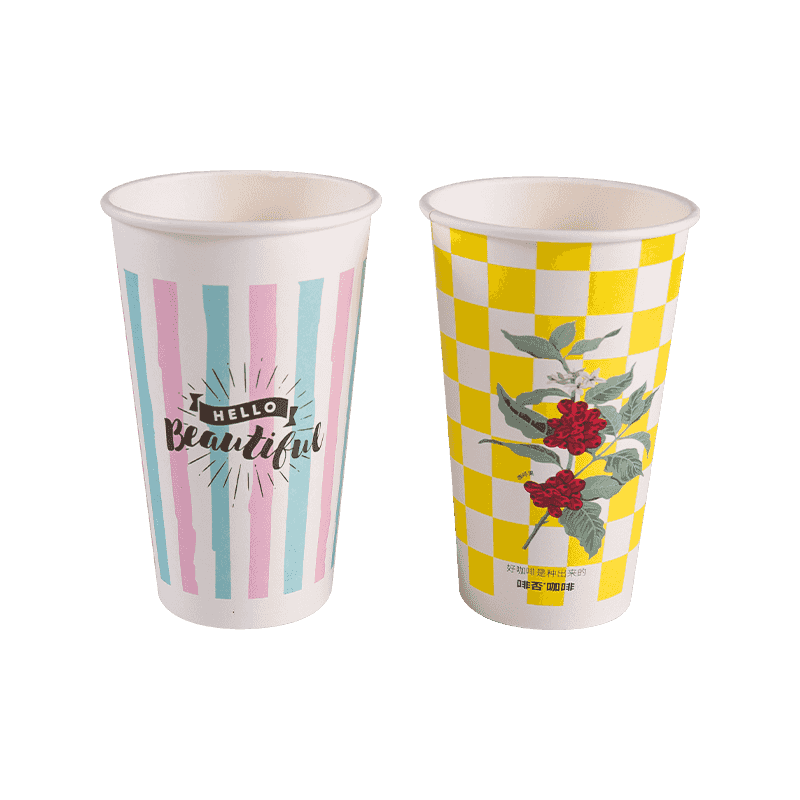
A cup is a mobile billboard. Custom printed cold brew coffee cups offer powerful brand reinforcement.
Printing Technologies:
- Flexographic Printing: Ideal for high-volume, cost-effective runs of simpler designs and logos.
- UV Offset Printing: Superior for high-definition, complex, and photorealistic graphics, delivering a premium look.
Design Tips:
- Utilize the larger surface area of cold cups for engaging graphics.
- Consider incorporating sustainability messaging about the cup's material.
- Ensure branding remains visible even with condensation.
3. Performance and Durability
Performance is non-negotiable. A cup must withstand the entire customer experience without failing.
Key tests for leak proof cold coffee cups with lids include:
- Leakage Test: Seam and lid fit integrity under movement.
- Condensation Resistance: Ability to resist becoming soggy or losing grip.
- Stacking Strength: Stability when stacked for storage and transport.
The right paper grammage and precise coating application are critical to passing these tests. For example, a study on packaging performance noted that poor seam bonding is a leading cause of liquid leakage in paper containers [2].
4. Sourcing and Manufacturing Partner
Your supplier's capability defines your product's quality, consistency, and innovation potential. Key attributes of a reliable partner include:
- Integrated Production: Control over the entire process from printing to forming.
- Technical Expertise: Ability to advise on material selection for specific needs like extra strong paper cups for frozen coffee drinks.
- Compliance & Certification: A robust portfolio of quality, safety, and environmental certifications (e.g., ISO 9001, FSC, CE, BRC).
- Scale and Flexibility: Capacity for large orders while accommodating custom, smaller runs.
Why Partner with a Specialist Manufacturer Like Xuancheng Bo Site Commodity Co., Ltd.?
Navigating the complex landscape of disposable packaging is challenging. Partnering with an experienced, integrated manufacturer provides distinct advantages.
Founded in 2008 and recognized as a high-tech enterprise in Anhui Province, Xuancheng Bo Site Commodity Co., Ltd. embodies the capabilities essential for modern foodservice packaging needs. Our vertically integrated operation ensures quality control at every stage.
Our Integrated Manufacturing Edge
- In-house Design & R&D: Our team collaborates with clients to develop solutions, backed by 20 effective patents.
- Advanced Production Fleet: Over 50 high-speed paper cup machines and 40+ molds allow for an annual capacity of 1 billion pieces, ensuring timely delivery for any order size.
- Multi-Technology Printing: With both flexographic and UV offset printing, we can execute any branding vision, from simple logos to intricate artwork for custom printed cold brew coffee cups.
- Full Material Spectrum: We produce cups with PE, PLA, and water-based coatings, enabling us to provide unbiased advice on the best solution for your eco-friendly disposable cups for iced coffee project.
Commitment to Quality and Sustainability
Our certifications are a testament to our systematic approach:
- Quality & Safety: ISO 9001, ISO 45001, National Industrial Product Production License.
- Environmental Leadership: ISO 14001, FSC Forest Certification, EU CE certification.
- Global Compliance: Products meet stringent standards for exports to Europe, Americas, and beyond.
We view green production not as a trend but as a core responsibility, guiding our material innovation and process optimization to reduce environmental impact without compromising the performance required for leak proof cold coffee cups with lids.
FAQs: Your Cold Coffee Paper Cup Questions Answered
1. What is the most sustainable type of cold coffee paper cup?
The "most sustainable" option depends on your local waste infrastructure. For areas with industrial composting facilities, PLA-coated cups are an excellent choice. For regions with robust paper recycling, water-based coated or specially designed PE-coated cups that are accepted in recycling streams may be preferable. Always source FSC-certified paperboard as a base requirement.
2. Can I get custom printing on a small order of cups?
Minimum order quantities (MOQs) for custom printing vary by manufacturer. At Xuancheng Bo Site Commodity Co., Ltd., our flexibility and range of printing options allow us to work with clients on varying order sizes, making custom printed cold brew coffee cups accessible for growing businesses as well as established chains.
3. How can I ensure my iced coffee cup won't leak or get soggy?
Specify extra strong paper cups for frozen coffee drinks or high-moisture applications. Key factors are higher grammage paperboard, uniform and sufficient coating application (especially on the seam), and a precise lid fit. Partner with a manufacturer that conducts rigorous leakage and condensation tests.
4. What's the difference between PLA and PE coating in terms of feel and use?
PLA coating often gives cups a clearer, glossier finish and a slightly more rigid feel, while PE can have a softer, more flexible texture. Both provide an effective liquid barrier for cold drinks. The choice between PLA coating vs PE coating for cold cups often comes down to environmental goals and cost considerations.
5. What certifications should I look for in a supplier?
Prioritize suppliers with international quality (ISO 9001), food safety (e.g., BRC, FDA compliance statements), and environmental (ISO 14001, FSC) management certifications. These ensure systematic control over production, material sourcing, and product safety, which is crucial for both domestic and export markets.

Choosing the right cold coffee paper cup is a multifaceted decision that impacts customer satisfaction, brand perception, and environmental footprint. By understanding the nuances of materials like the PLA coating vs PE coating for cold cups debate, prioritizing performance for leak proof cold coffee cups with lids, and leveraging the power of custom printed cold brew coffee cups, businesses can turn packaging into a strategic asset. For those seeking eco-friendly disposable cups for iced coffee or extra strong paper cups for frozen coffee drinks, partnering with an innovative, certified, and integrated manufacturer is the most critical step toward achieving reliability, sustainability, and brand excellence in every cup served.
References
[1] K. Marsh and B. Bugusu, "Food Packaging—Roles, Materials, and Environmental Issues," Journal of Food Science, vol. 72, no. 3, pp. R39-R55, 2007. doi: 10.1111/j.1750-3841.2007.00301.x. (This review discusses the challenges of reconciling packaging functionality with end-of-life management, relevant to PLA disposal streams.)
[2] J. Robertson, G.L., "Performance of Paper-Based Food Packaging in Use Conditions," in Food and Beverage Packaging Technology, 2nd ed. Blackwell Publishing Ltd., 2011, pp. 157-178. (This text covers technical performance standards and common failure points like seam integrity in paper containers.)
 +86-0563-8029081
 +86-0563-8029081
 No. 12 Sanxi Road, Xinqiao Development Zone, Jingde Country, Xuancheng City, Anhui Province.