
 English
 Español
 عربى
عربىContent
- 1 Understanding the Modern Paper Cup for Cold Beverages
- 2 Key Factors in Selecting Bulk Paper Cups for Iced Coffee
- 3 The Rise of Biodegradable Cold Cups with Lids in the Market
- 4 Comparing PLA vs PE Coated Paper Cups for Cold Drinks
- 5 Sourcing Custom Printed Paper Cups for Smoothies and Juices
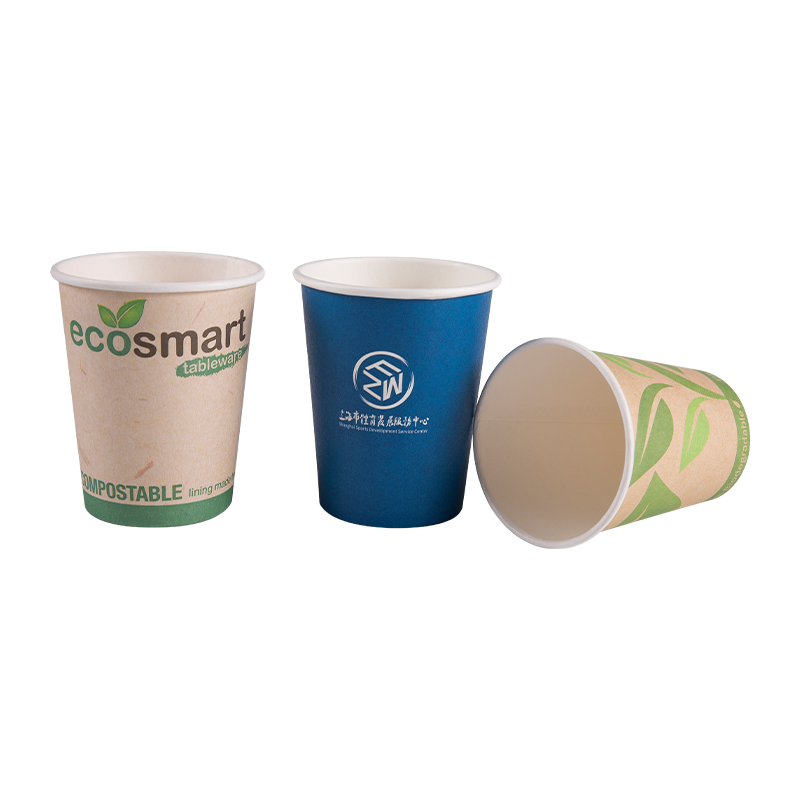
- 6 Exploring Affordable Compostable Paper Cup Options for Events
- 7
- 8 The Future of Sustainable Cold Beverage Packaging
Understanding the Modern Paper Cup for Cold Beverages
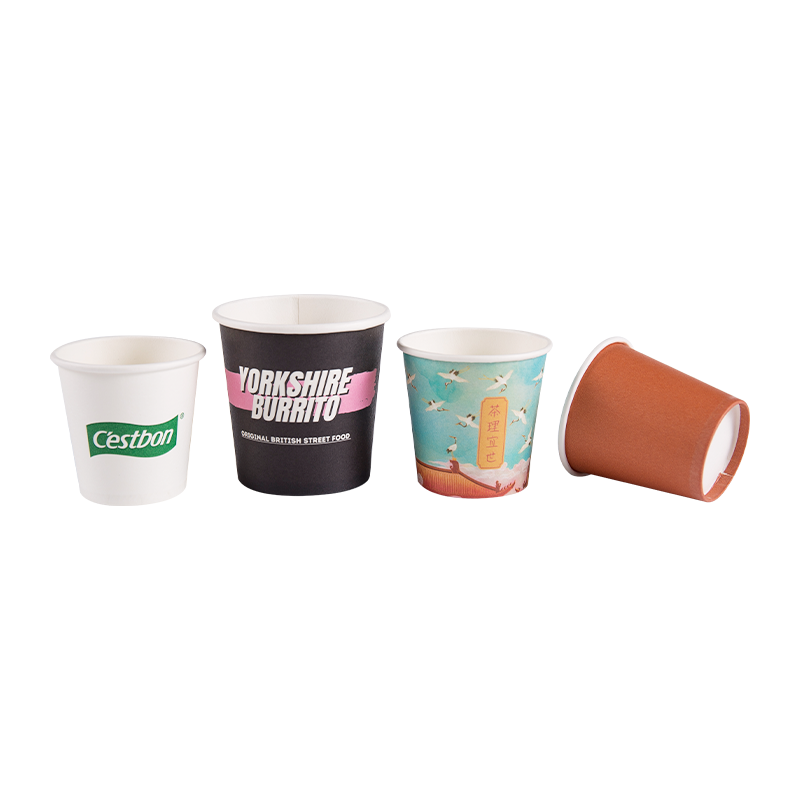
In the global shift toward sustainable packaging, paper cold drink cups have emerged as a focal point for innovation, environmental responsibility, and practical daily use. These ubiquitous items serve far more than just a functional purpose; they represent a critical intersection of material science, consumer experience, and ecological impact. From bustling coffee shops to large-scale events and airline catering, the demand for reliable, high-quality, and eco-conscious disposable drinkware is higher than ever. The journey of a simple paper cup, from responsibly sourced pulp to a sophisticated, lined container capable of holding icy beverages without failing, involves complex manufacturing processes and significant technological advancement. Companies at the forefront of this industry, such as Xuancheng Bo Site Commodity Co., Ltd., a high-tech enterprise founded in 2008 and based in Anhui Province, China, exemplify this progress. With extensive production capabilities including over 50 sets of medium and high-speed paper cup machines and a portfolio of certifications like FSC, CE, and ISO 14001, they embody the modern synthesis of scale, quality, and sustainability. This guide will explore key considerations for choosing paper cups, delve into specific niches within the market, and provide a detailed look at the sustainable options available today, all framed by the expertise of a leading manufacturer.
Key Factors in Selecting Bulk Paper Cups for Iced Coffee
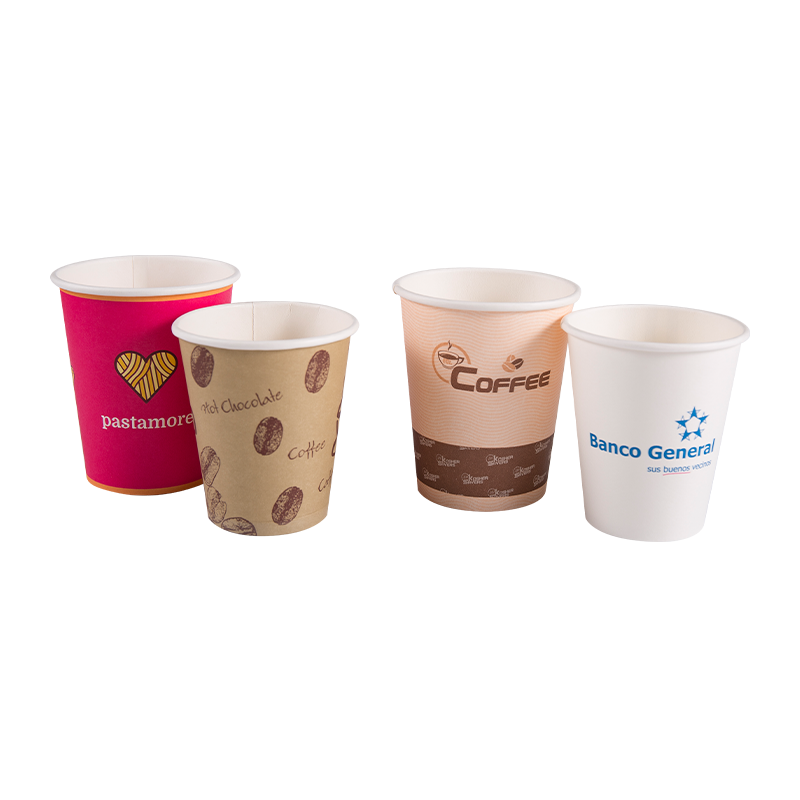
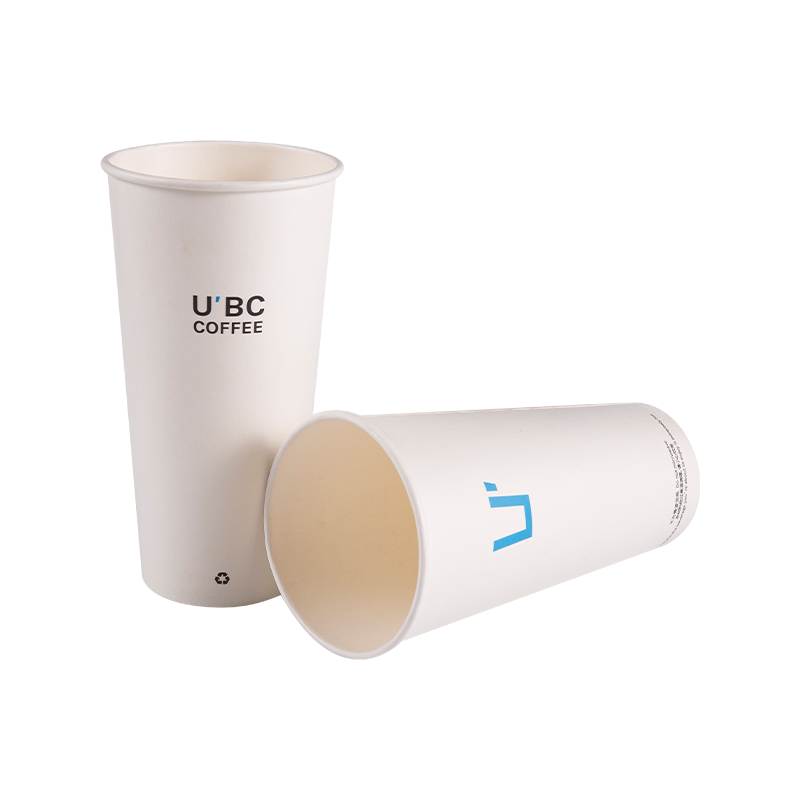
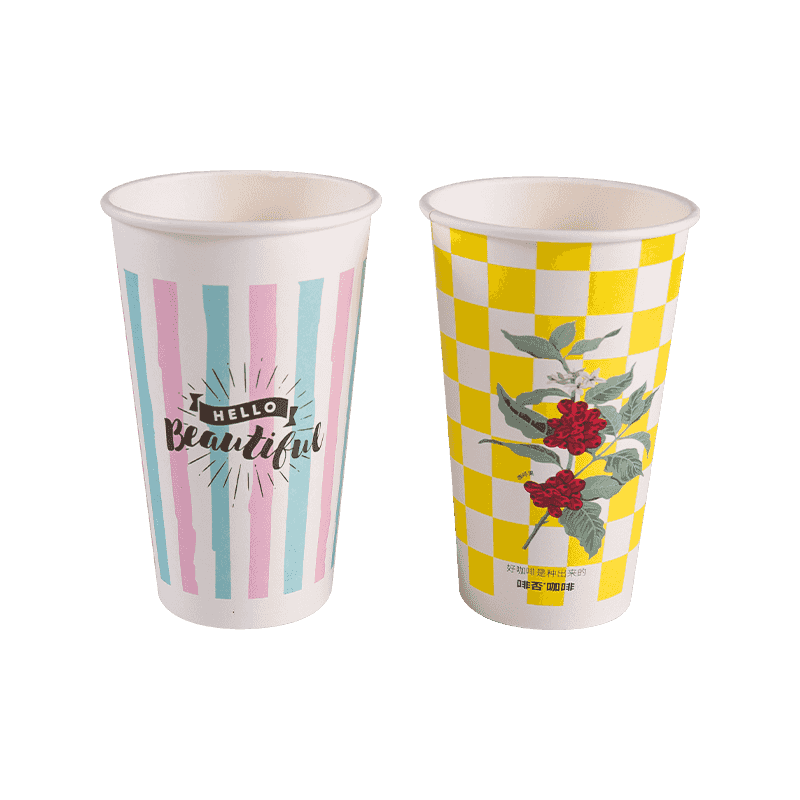
The specialty coffee and quick-service restaurant markets have created a massive demand for durable, reliable cups specifically designed for cold beverages. Choosing the right bulk paper cups for iced coffee involves more than just price per unit; it requires a deep understanding of material performance, user experience, and end-of-life disposal. For a business, this choice impacts brand perception, operational efficiency, and environmental footprint. A cup that fails—becoming soggy, leaking, or compromising the drink's temperature—can directly affect customer satisfaction. Therefore, the selection process must be meticulous, balancing practical needs with sustainability goals. Manufacturers like Xuancheng Bo Site Commodity Co., Ltd., which supplies large domestic餐饮 chains and airlines, must meet these rigorous standards consistently, leveraging their automatic flexographic and UV offset printing machines for quality branding and their diverse mold library for custom shapes and sizes.
When evaluating options, several core technical specifications come to the forefront. The base paperboard weight, typically measured in grams per square meter (gsm), determines the cup's basic rigidity and feel. For iced drinks, a common range is between 170 to 250 gsm, providing a sturdy hand-feel without excessive material use. The lining, however, is the most critical component. Its primary function is to create a hydrophobic barrier that prevents liquid from penetrating the paper wall. For decades, a thin layer of polyethylene (PE) plastic was the industry standard due to its effectiveness and low cost. However, this lining presents significant recycling challenges, as the plastic film must be separated from the paper fiber in specialized facilities—a process not widely available. In response, the industry has innovated with plant-based polylactic acid (PLA) coatings and advanced water-based barriers. PLA, derived from fermented plant starch, offers a renewable, industrially compostable alternative, though its performance in very cold, long-duration applications is an area of ongoing refinement. Water-based coatings represent a promising frontier, aiming to provide a barrier that is both effective and entirely compatible with standard paper recycling streams, or even home compostable.
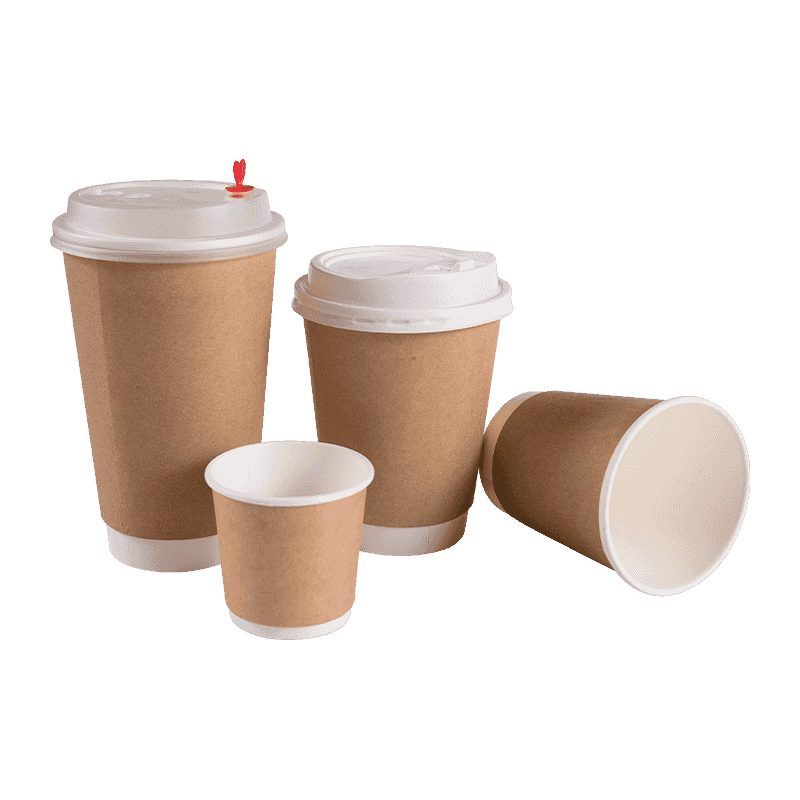
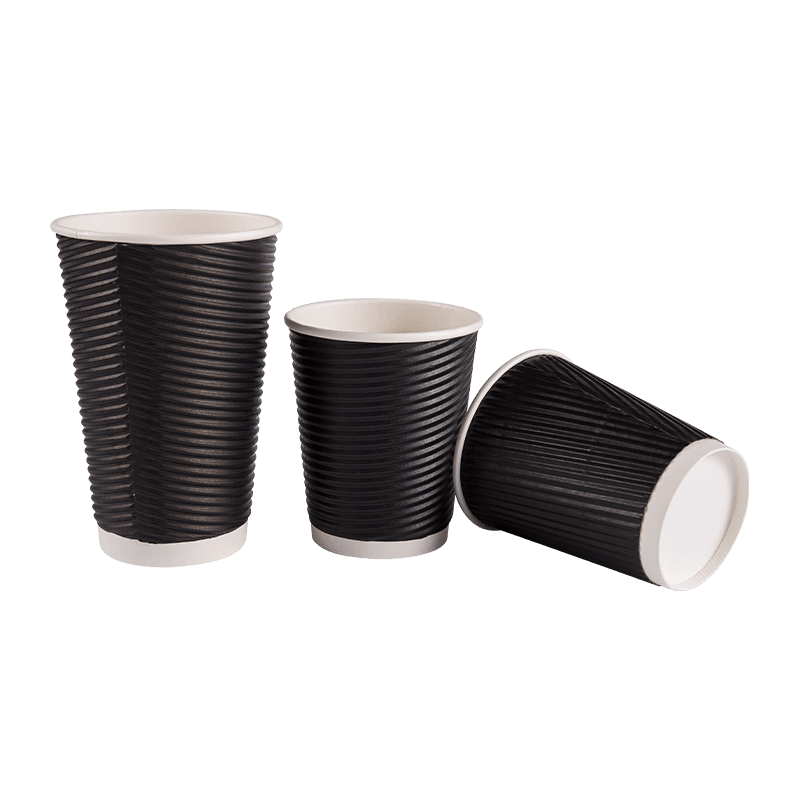
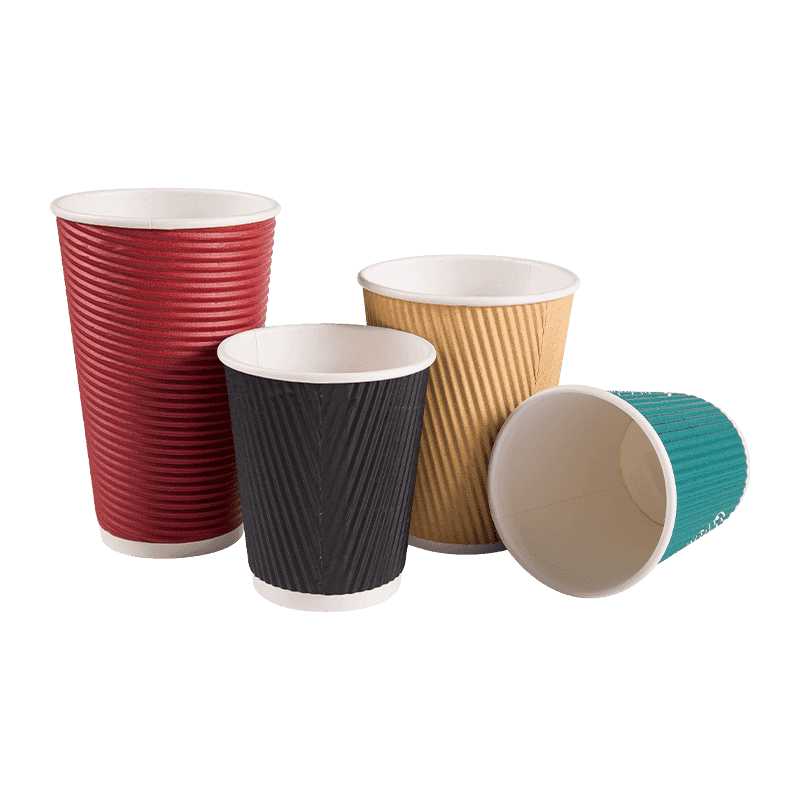
Beyond the material, design features are paramount for the iced coffee experience. Condensation, or "sweating," is a major issue with cold cups. A single-wall cup will quickly become wet on the outside, potentially leading to slips, discomfort, and degraded print quality. The solution often lies in double-walled construction. This design incorporates an air gap between two layers of paperboard, which acts as a thermal insulator, keeping the drink colder for longer while creating a dry-to-the-touch exterior. This feature significantly enhances customer comfort and perceived value. Furthermore, the lid fit is crucial. A secure, leak-resistant seal is non-negotiable for mobile consumers. This requires precision in both cup rim finishing and lid design, often involving a specially curled rim and a matching lid groove. For businesses sourcing in bulk, engaging with a manufacturer that has strong R&D capabilities, like the team at Xuancheng Bo Site Commodity Co., Ltd. which holds multiple invention patents, can ensure access to these optimized designs and reliable, large-scale production.
The Rise of Biodegradable Cold Cups with Lids in the Market
Consumer and regulatory pressure is driving an unprecedented shift toward circular economy solutions in packaging. The term "biodegradable" has become a powerful marketing and environmental claim, but it requires careful scrutiny. In the context of biodegradable cold cups with lids, true sustainability encompasses the entire system: the cup, its lid, and often the straw, all of which must be designed for a compatible end-of-life pathway. It is not enough for the paper body to be compostable if the lid is made from conventional plastic. Therefore, a system-based approach is essential. A genuinely eco-friendly cold cup solution involves a cup made from FSC-certified paperboard (ensuring responsible forestry) lined with a bio-based barrier like PLA or a water-based coating, paired with a lid made from similar compostable materials such as PLA, cellulose acetate, or other bio-polymers.
The science behind biodegradability and compostability is specific. "Biodegradable" is a broad term meaning a material can be broken down by microorganisms. "Compostable" is a stricter subset, meaning it will biodegrade within a specific timeframe (e.g., 90 days in an industrial facility) into non-toxic compost, without leaving harmful residues. For a product to be certified compostable, it must meet international standards such as ASTM D6400 or EN 13432. This certification is a key differentiator for businesses seeking legitimate green credentials. For instance, a manufacturer investing in this technology, like Xuancheng Bo Site Commodity Co., Ltd. with its range of PLA and water-based coating products, can provide clients with certified options that align with waste management goals in regions with industrial composting infrastructure. The integration of the lid into this ecosystem is critical. Lids are often injection-molded, and creating robust, functional lids from bio-polymers that can withstand the flex of being removed and replaced without cracking is a significant engineering challenge that leading suppliers are actively solving.
Adopting a fully compostable cup-and-lid system presents both opportunities and challenges for businesses. On the positive side, it strongly appeals to environmentally conscious consumers, can comply with increasingly strict local bans on single-use plastics, and diverts waste from landfill to a productive composting stream. However, the challenges are real. Compostable products often come at a higher cost due to more expensive raw materials. They also require clear consumer education—if a compostable cup is mistakenly thrown into a recycling bin, it can contaminate the paper recycling batch. Conversely, if placed in a landfill without oxygen, it may not degrade effectively. Therefore, success depends on a coordinated effort involving clear labeling, customer communication, and alignment with local waste processing capabilities. The commitment of a manufacturer to provide not just the product but also guidance on these logistical aspects is invaluable. The management philosophy of firms focused on green production, such as the stated goal of Xuancheng Bo Site Commodity Co., Ltd. to "take green production and green packaging as the leading" principle, supports this holistic partnership approach with customers.
Comparing PLA vs PE Coated Paper Cups for Cold Drinks
The choice between PLA (polylactic acid) and PE (polyethylene) coatings is one of the most fundamental decisions in selecting a paper cold drink cup. This decision directly influences the cup's performance, cost, environmental impact, and end-of-life options. A detailed, head-to-head comparison is necessary for informed procurement. PLA vs PE coated paper cups for cold drinks represent two distinct technological paths with different value propositions. PE coating, a petroleum-derived plastic, has been the industry workhorse for over half a century. Its application process is highly refined, resulting in a consistent, reliable, and inexpensive barrier that is excellent at preventing leaks and maintaining cup integrity, even over extended periods. From a pure performance and cost standpoint for cold drinks, PE is hard to beat. However, its environmental profile is its major drawback. PE-lined cups are difficult to recycle conventionally. In a typical paper recycling mill, the PE lining can clog machinery and reduce the quality of recycled pulp, leading many facilities to reject them. As a result, most PE-coated cups end up in landfills or incinerators.
PLA coating, in contrast, is derived from annually renewable resources like corn, cassava, or sugarcane. The plants absorb carbon dioxide as they grow, creating a potentially lower carbon footprint material compared to fossil-based PE. The key environmental advantage of PLA is its compostability. In a controlled industrial composting facility with specific temperature, moisture, and microbial conditions, PLA will break down into water, carbon dioxide, and organic matter, leaving no toxic residue. This allows the cup to be processed alongside food waste, creating valuable compost. However, PLA has its own set of considerations. Its barrier properties, while sufficient for many cold drink applications, can be slightly different from PE. There may be nuances in flexibility and clarity. Furthermore, and crucially, PLA requires specific conditions to compost; it will not degrade efficiently in a backyard compost pile or in a landfill. Its presence can also be problematic in plastic recycling streams, acting as a contaminant. Therefore, the success of PLA cups is intrinsically linked to the existence of industrial composting infrastructure and effective consumer sorting.
The following table provides a structured comparison of these two dominant lining technologies for cold drink applications:
| Feature | PE Coated Paper Cups | PLA Coated Paper Cups |
|---|---|---|
| Raw Material Source | Fossil fuels (petroleum/natural gas) | Renewable plant starch (e.g., corn, sugarcane) |
| Primary Environmental Claim | Not applicable; traditional solution | Industrially compostable, biobased, reduced carbon footprint |
| End-of-Life Optimal Path | Limited specialized recycling; often landfill/energy recovery | Industrial composting facility (must be available locally) |
| Performance for Cold Drinks | Excellent, proven long-term moisture barrier, high durability | Very good to excellent; may have slight variations in feel and flexibility |
| Cost Relative to Alternative | Generally lower cost, highly economical at scale | Generally higher cost due to bio-material and processing |
| Consumer Perception | Increasingly viewed as less environmentally friendly | Perceived as modern, sustainable, and eco-conscious |
| Manufacturer Example | Widely produced; a standard product for most cup makers. | Offered by advanced manufacturers like Xuancheng Bo Site Commodity Co., Ltd. as part of a green product line. |
Ultimately, the choice is strategic. Businesses prioritizing lowest cost and proven, worry-free performance for cold liquids may still lean toward PE. Those building a brand on sustainability, operating in regions with compost collection, or preparing for future regulations are increasingly adopting PLA. A forward-looking manufacturer will offer both, guiding clients based on their specific needs, market, and values.
Sourcing Custom Printed Paper Cups for Smoothies and Juices
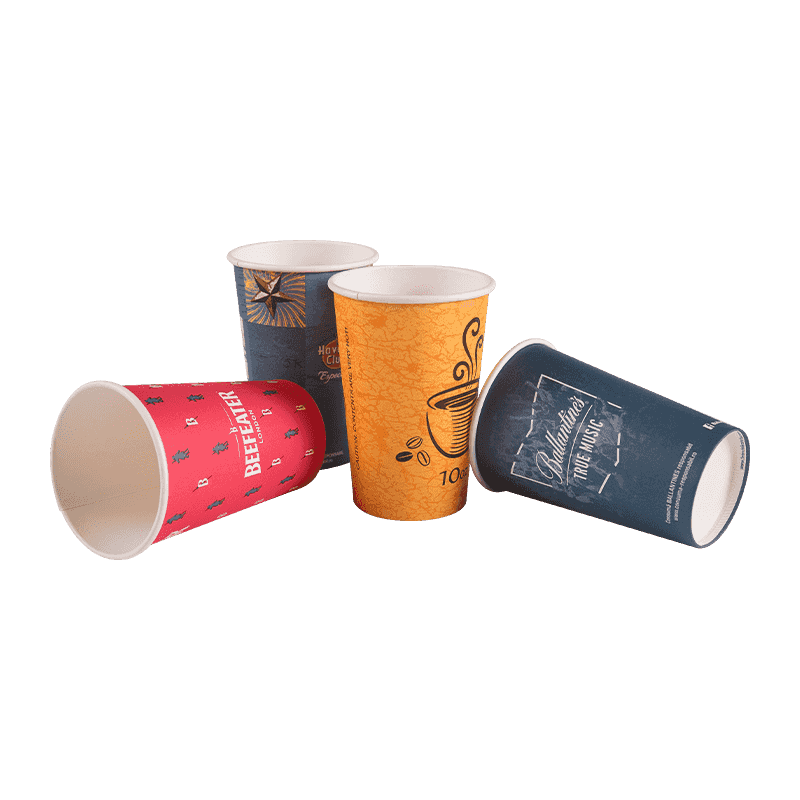
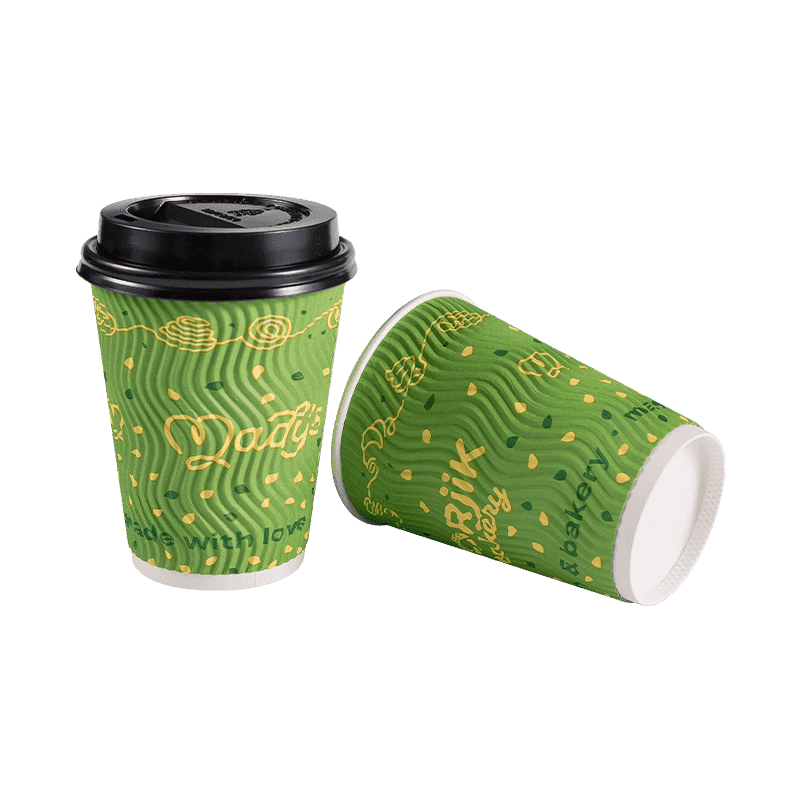
For businesses in the smoothie, juice, and health-food sector, a paper cup is a prime mobile advertisement. This makes custom printed paper cups for smoothies a critical element of brand identity and marketing strategy. Unlike a generic stock cup, a custom-printed cup transforms a disposable item into a memorable brand touchpoint. The process of sourcing these cups involves collaboration between the business's creative vision and the manufacturer's technical printing and production expertise. The first step is design. Vibrant, appetizing imagery of fruits, clean typography, and logos must be adapted to the cup's conical shape. This requires careful graphic design to avoid distortion and ensure key elements are visible. Manufacturers with in-house design support can be invaluable partners in this stage, advising on print areas, color bleeds, and the technical specifications for artwork files.
The printing technology itself is a major factor in quality and cost. Two primary methods are used in the industry: flexographic printing and offset printing. Flexographic (flexo) printing is commonly used for medium to long runs and is well-suited for bold, solid colors and simpler designs. It uses flexible photopolymer plates and is a cost-effective workhorse. Modern flexo presses, like the automatic machines utilized by Xuancheng Bo Site Commodity Co., Ltd., can achieve high-quality results with good registration. UV offset printing, on the other hand, is typically used for shorter runs or when exceptional graphic detail, photorealistic images, and precise color gradients are required. UV inks are cured instantly with ultraviolet light, allowing for sharper prints on various substrates. The choice between these methods depends on the complexity of the design, the number of colors, and the order quantity. A manufacturer with both capabilities offers greater flexibility to meet different client needs.
When sourcing custom cups for dense, cold beverages like smoothies, additional functional specifications must be addressed. Smoothies are often thicker and may contain acidic ingredients like citrus juice. The cup lining must be robust against potential micro-puncture from fruit seeds or pulp and resistant to any acidic content. A slightly higher paperboard weight (gsm) might be recommended for added rigidity when the cup is full. The cup's size and shape are also part of the custom offering. Wide-mouth designs facilitate drinking and accommodate thick straws, while a tapered shape can be ergonomic and stackable. The entire process—from design approval and plate creation to printing, die-cutting, and forming—requires a manufacturer with integrated control over production. The capability to manage over 40 kinds of paper cup and paper bowl molds, as seen at Xuancheng Bo Site Commodity Co., Ltd., indicates an ability to produce not just standard sizes but also truly custom shapes to help a brand stand out on the shelf or in a customer's hand.
Exploring Affordable Compostable Paper Cup Options for Events
Large events—from corporate conferences and music festivals to community fairs and sporting events—generate immense volumes of single-use waste. Sourcing affordable compostable paper cup options for events presents a unique set of challenges centered on scale, cost control, logistics, and waste management coordination. Event planners are increasingly tasked with reducing the environmental impact of their gatherings, and switching to compostable service ware is a visible and effective step. However, "affordable" in this context means achieving the best possible price without sacrificing the integrity of the compostable claim or the functionality needed for high-volume service. The goal is to find a cost-effective product that performs reliably under event conditions (preventing leaks and spills is paramount) and can be seamlessly integrated into a pre-arranged compost collection stream.
The path to affordability for compostable event cups lies in several factors. First is volume. Event orders are typically large, often numbering in the tens or hundreds of thousands of units. This volume allows manufacturers to optimize production runs, reducing per-unit costs. Sourcing from a manufacturer with high-capacity production lines, such as one with an annual output capacity of 1 billion pieces, means they are equipped to handle massive orders efficiently and can pass on economies of scale. Second is material selection. While PLA-lined cups are a common compostable choice, exploring water-based coating technologies can sometimes offer a competitive edge, as the coating process and raw materials may differ in cost structure. Simplicity in design also reduces cost. While custom printing is attractive, opting for a stock design, a simple one or two-color logo imprint, or even an unprinted cup can significantly lower the price. The focus for events is often on functionality and sustainable disposal rather than elaborate branding.
However, purchasing the cups is only half the solution. The "compostable" promise is only fulfilled if the cups are actually composted. Therefore, the most affordable and responsible solution involves a partnership with a waste hauler that provides compost collection services for the event venue. Planners must work backwards from the available disposal infrastructure. They need to confirm what certifications (e.g., BPI, OK Compost) the local composting facility accepts and then source cups that meet those exact standards. This prevents costly contamination of the compost stream. Clear, consistent signage at waste stations is essential to guide attendees to dispose of cups, lids, and food scraps in the correct bin. A manufacturer that understands this holistic system can be a valuable advisor. A company like Xuancheng Bo Site Commodity Co., Ltd., with its comprehensive environmental management system certification (ISO 14001) and experience navigating international standards like CE for global markets, is positioned to provide products with verifiable certifications and practical advice on implementing a successful event sustainability plan, turning a line item cost into a value-added feature for the event.

The Future of Sustainable Cold Beverage Packaging
The landscape of paper cold drink cups is dynamic, driven by technological innovation, regulatory changes, and evolving consumer values. The trends point toward a future where performance and sustainability are not trade-offs but are integrated into a single, superior product. Advancements in barrier coatings, particularly water-based and other bio-based polymer dispersions, aim to achieve full recyclability in standard paper mills while also offering compostability. Research into cup designs that use less material without sacrificing strength—through advanced structuring and folding techniques—continues to progress. Furthermore, the concept of reuse is entering the disposable space with the development of durable, returnable cup systems for festivals and campuses, though paper-based single-use will remain essential for many applications. The role of certified, responsible forestry, as underscored by FSC certification held by leading manufacturers, will remain foundational to ensuring the paper itself comes from sustainably managed sources.
For businesses and organizations, navigating this future means partnering with suppliers who are not just vendors but innovators and sustainability advocates. It requires looking beyond the unit price to consider the total value, including the supplier's environmental credentials, R&D investment, quality consistency, and ability to provide certified solutions for different end-of-life pathways. The journey of a company like Xuancheng Bo Site Commodity Co., Ltd.—from its founding in 2008 to achieving status as a high-tech and specialized SME in Anhui Province, building a vast production and export business, and amassing a portfolio of patents and international certifications—illustrates the commitment required to be a leader in this new era. Their focus on green production, core competitiveness, and creating value for society aligns perfectly with the market's direction. By making informed choices on topics like bulk paper cups for iced coffee, biodegradable cold cups with lids, the debate of PLA vs PE coated paper cups for cold drinks, the branding potential of custom printed paper cups for smoothies, and the logistical puzzle of affordable compostable paper cup options for events, businesses can effectively meet today's demands while contributing to a more sustainable, circular economy for packaging tomorrow.
 +86-0563-8029081
 +86-0563-8029081
 No. 12 Sanxi Road, Xinqiao Development Zone, Jingde Country, Xuancheng City, Anhui Province.