
 English
 Español
 عربى
عربىPour 92°C water into a 12 oz single-wall cup and the outer surface reaches roughly 66°C within two minutes. The same drink in a double wall or ripple wall cup settles near 48 to 51°C. That 15 to 18°C gap is why cafes, coffee chains, and foodservice distributors treat wall structure as a cost decision rather than a packaging detail. Choosing between single wall, double wall, and ripple wall paper cups means balancing heat insulation, unit price, and the exact way a drink will be held and served.
Most foodservice suppliers offer all three structures because a single-layer cup cannot cover every temperature, budget, and branding requirement at once. This guide compares the engineering, the measured insulation, the delivered cost, and the service scenarios that make one structure the clear winner for a given operation.
Content
Wall Construction: How Single, Double, and Ripple Walls Differ
A cup wall is a thermal barrier, and the number of air pockets between the beverage and the customer's hand controls the entire performance difference.
Single wall: one sheet, no air gap
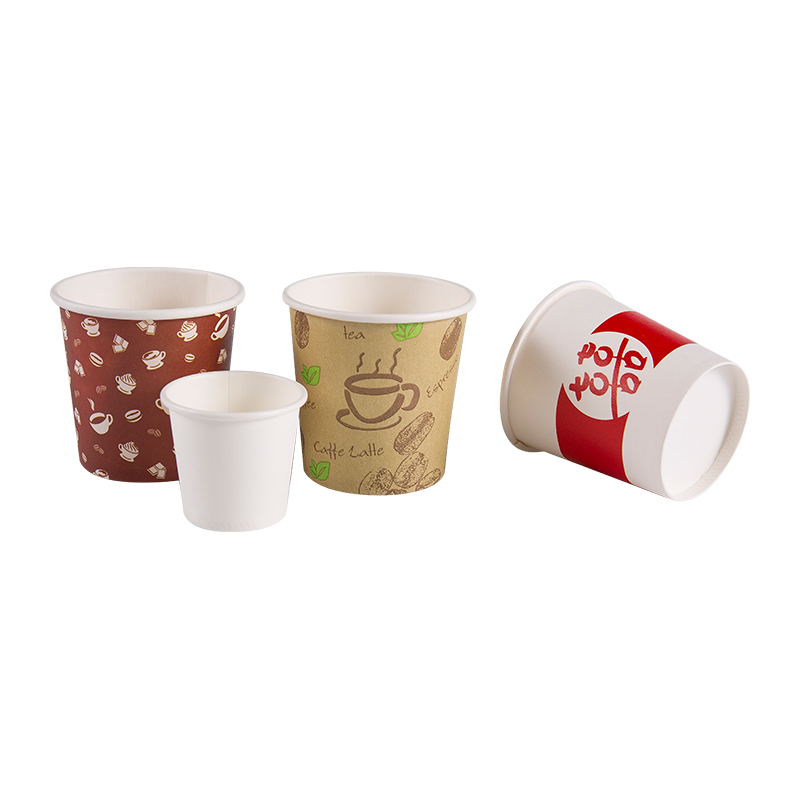
Single wall cups are formed from one sheet of food-grade paperboard, usually 190 to 300 gsm, with a PE, PLA, or water-based barrier coating on the inside. Total wall thickness lands around 0.3 to 0.5 mm. Because heat passes through the board quickly, single wall cups dominate cold service and budget hot drink programs where a sleeve is supplied at the counter. They also nest tightly, which makes them the most storage-efficient of the three structures.
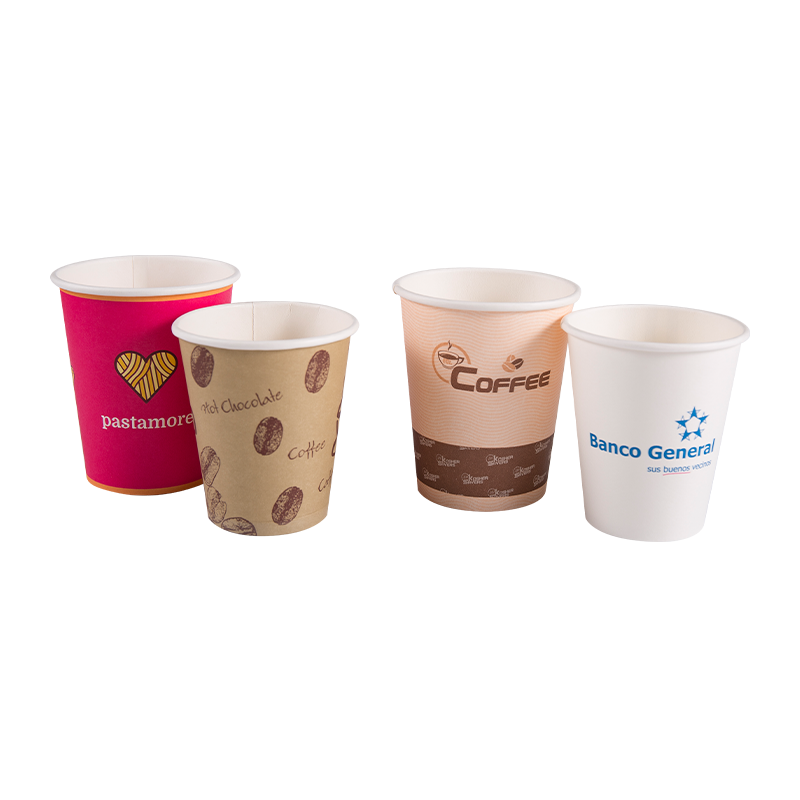
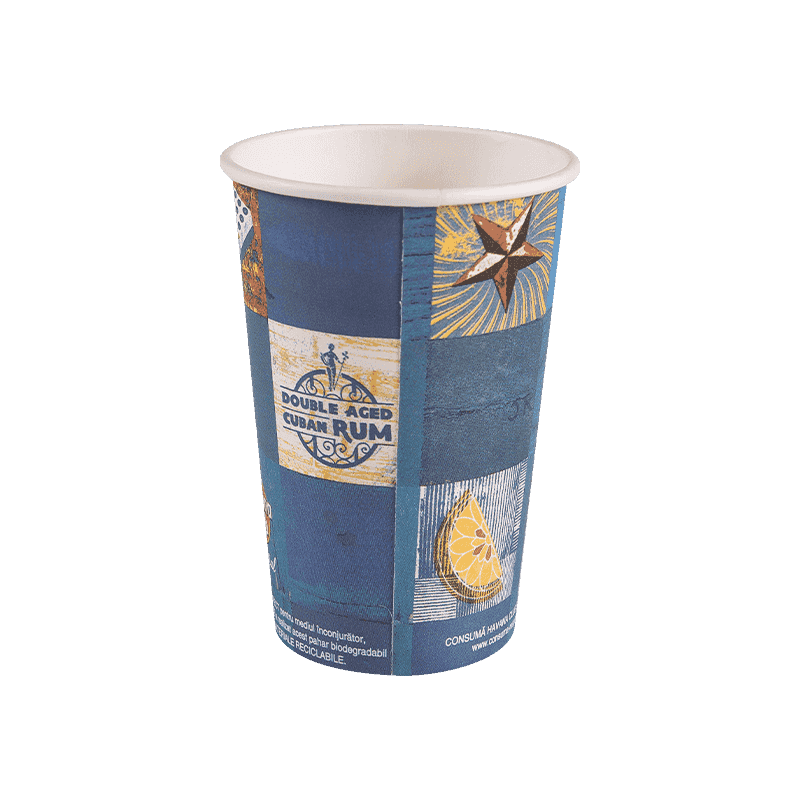 Disposable Single Wall Paper Cup for Hot and Cold BeveragesThis food-grade single wall cup suits budget hot drink programs and cold service where a sleeve is provided. Its lightweight, stackable design keeps storage efficient while the leak-proof coating protects hands from heat and moisture.View Product →
Double wall: an air pocket between two cylinders
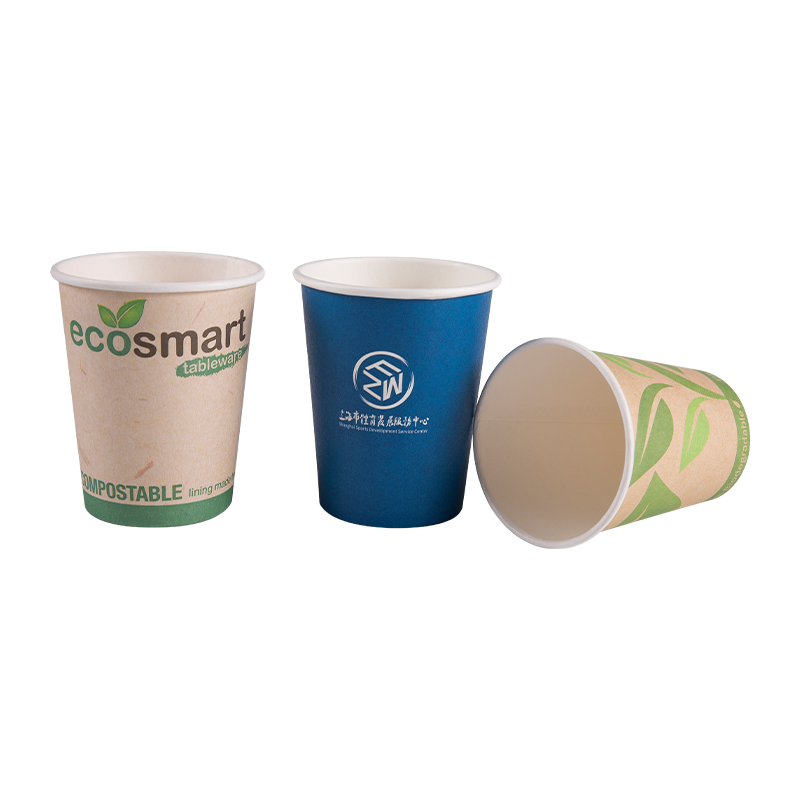
Double wall cups place a second cylindrical wall around the inner wall and bond both layers at the rolled rim. The trapped air is a poor conductor, so the outer surface stays cooler and the beverage stays hot longer. The trade-off is material: a 12 oz double wall cup consumes roughly 30 to 45% more paperboard than a single wall cup of the same capacity, raising unit price and adding stack height in storage.
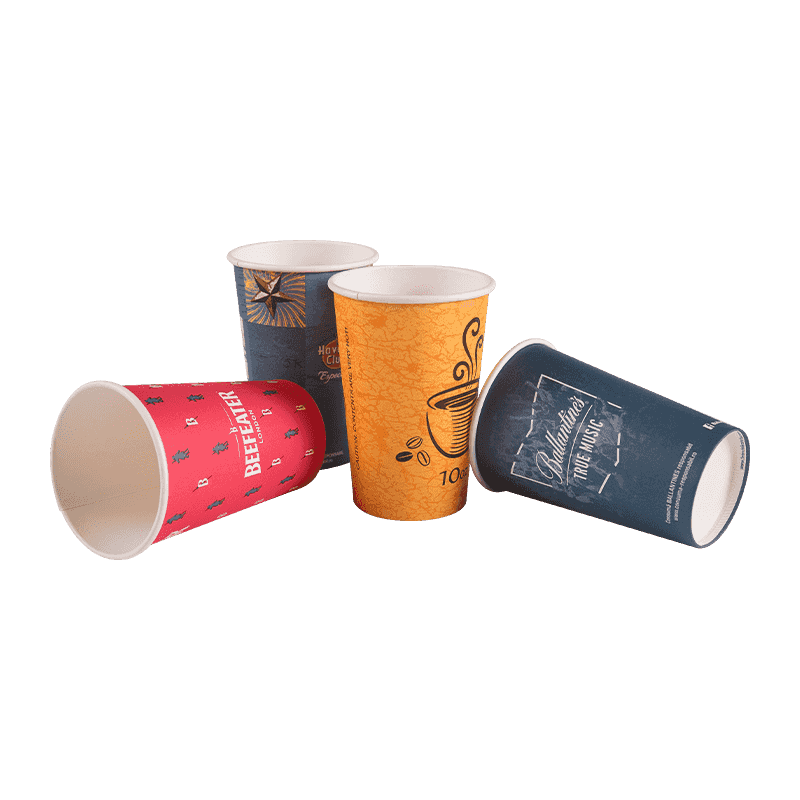
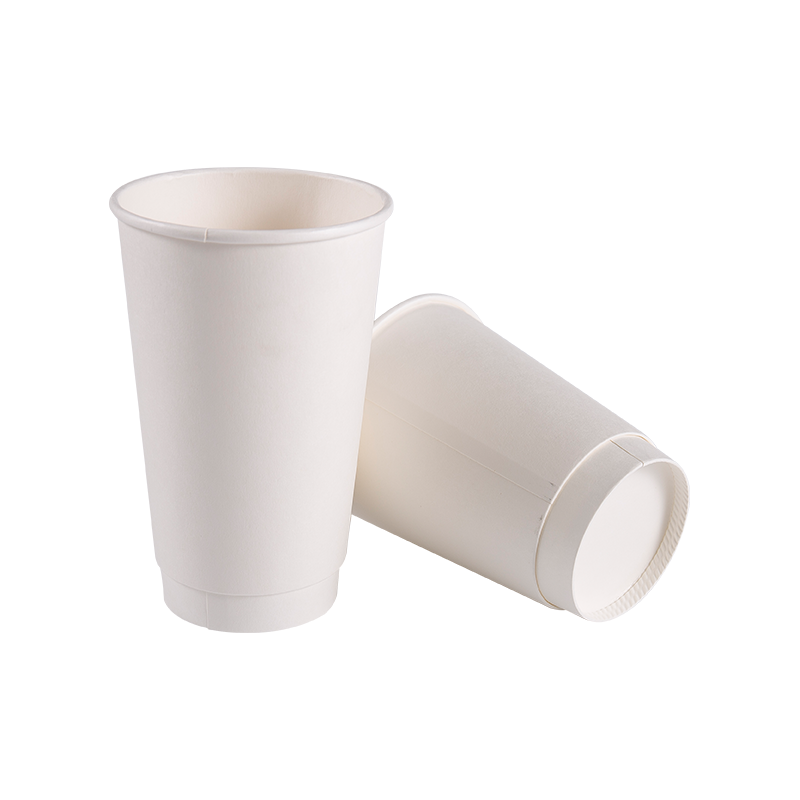 Disposable Double Wall Thickened Coffee Paper CupThe double-layer structure keeps coffee hot while the thickened outer wall prevents burns and improves grip. Reinforced bottom and rounded rim add stability and safety, making it a solid choice for takeaway coffee.View Product →
Ripple wall: corrugated insulation around a single wall
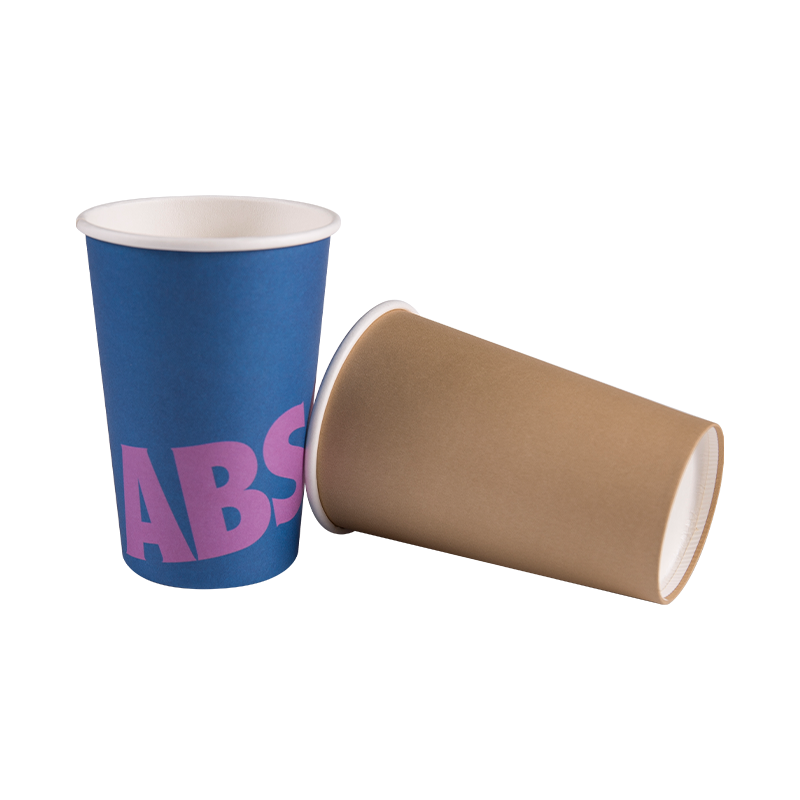
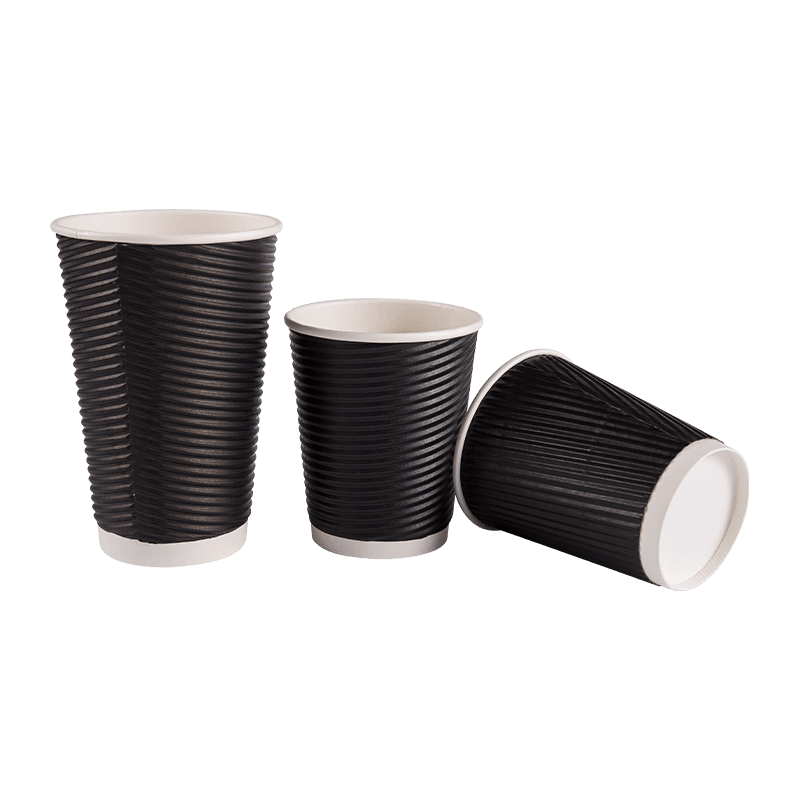
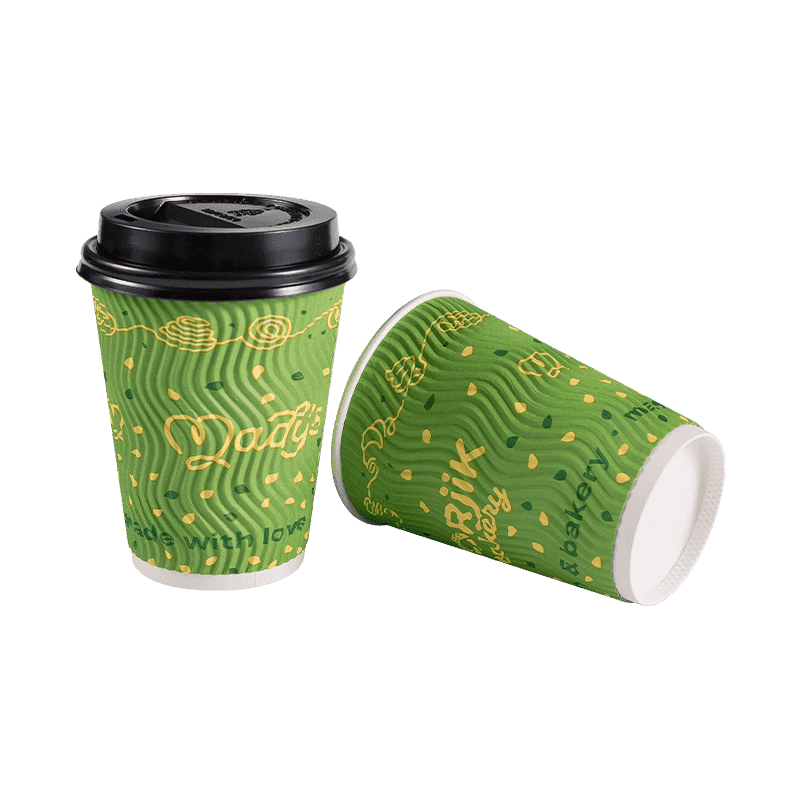
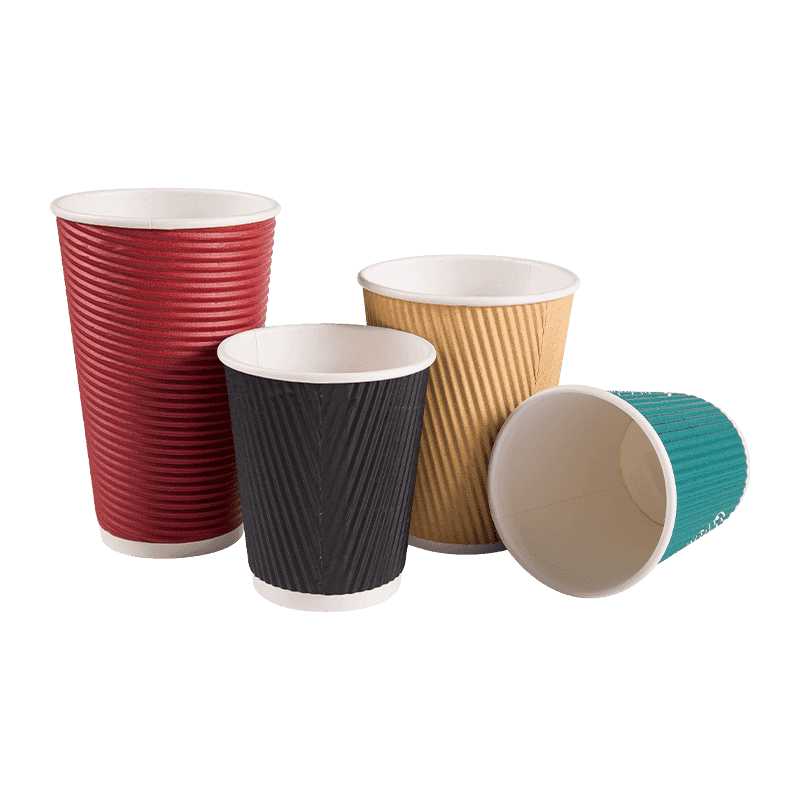
A ripple wall cup, also called a corrugated cup, wraps a fluted outer ply around a single inner wall. The vertical flutes trap air in channels, delivering insulation close to double wall while using less paper than a full second cylinder. That texture also improves grip, which explains the format's popularity in drive-thru lanes and food truck windows. The outer surface is not perfectly flat, so printing is usually limited to one or two colors or a wrap-around label instead of continuous high-resolution artwork.
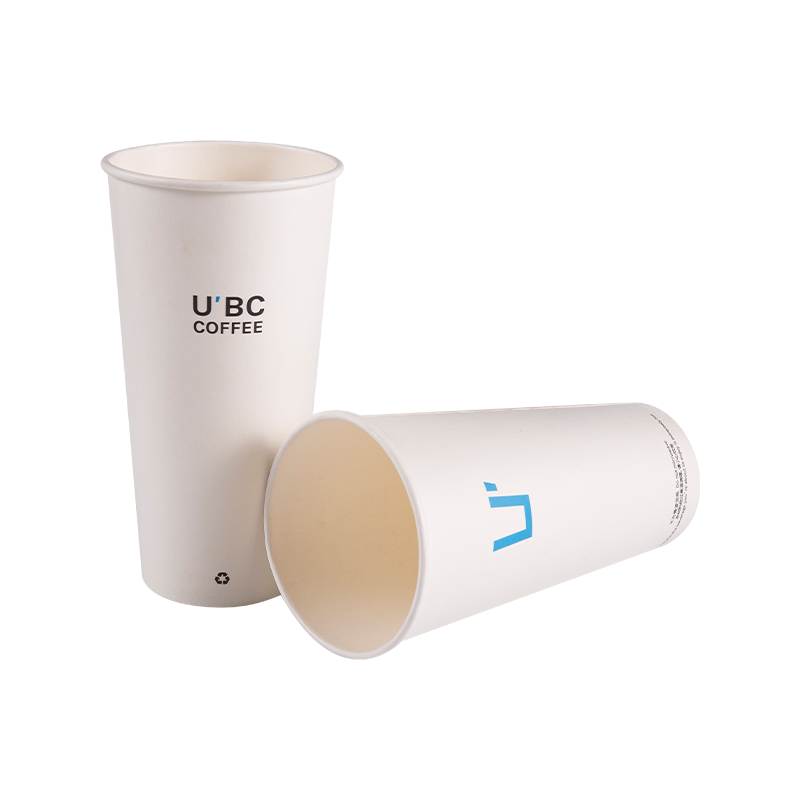
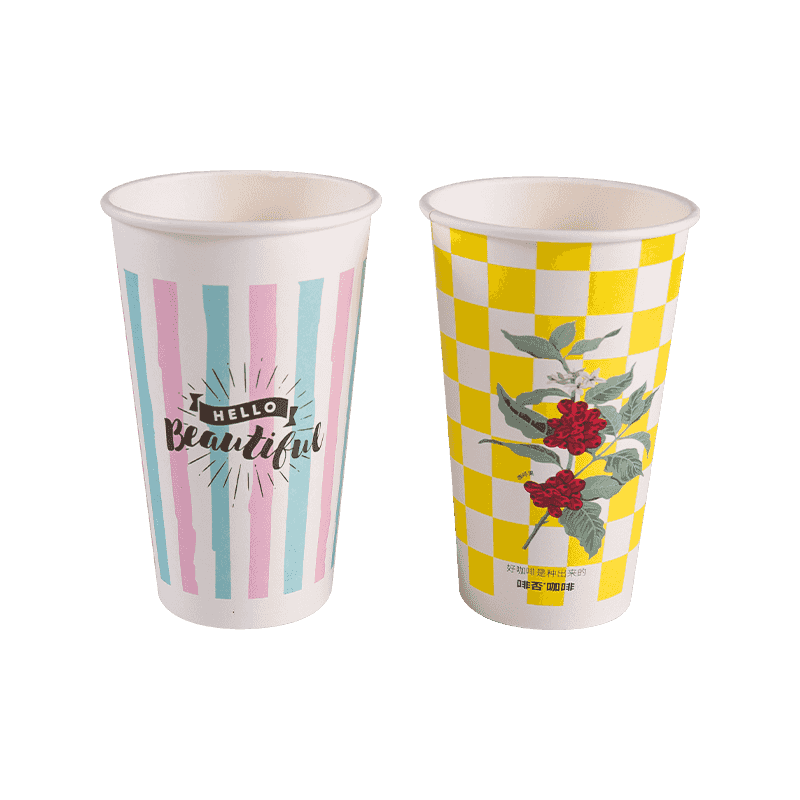
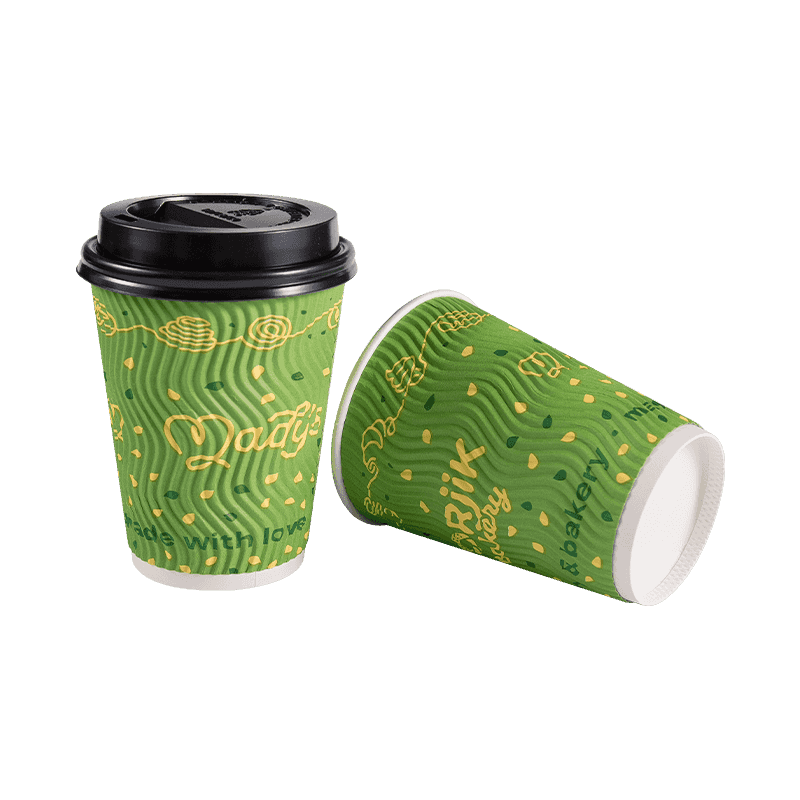 Eco-Friendly Double Layer Ripple Coffee CupThe corrugated outer layer traps air to keep hands comfortable and maintain beverage temperature. Food-grade, waterproof, and oil-resistant materials support safe use for coffee shops and daily carry.View Product →
Heat Insulation: The Measured 15 to 18°C Gap
Double wall and ripple wall cups keep the outer surface below 55°C for the first two minutes; single wall cups do not, and that single difference determines whether a sleeve is mandatory.
Using a repeatable test protocol with 92°C water filled to 5 mm below the rim, a 23°C room, and an infrared thermometer reading at mid-height on the side panel, the three structures produce the following outer surface temperatures after 120 seconds:
Bare-hand comfort sits at roughly 55°C. Above that line, people juggle the cup, set it down, or search for a sleeve. Single wall lands at 66°C, well into the uncomfortable zone. Double wall at 51°C and ripple wall at 47°C both stay below the threshold by a safe margin.
Cold drinks flip the same physics. Single wall cups sweat in humid air because the cold beverage chills the wall below the dew point. Double wall and ripple wall cups keep the outer surface closer to room temperature, cutting visible condensation by roughly 60 to 70% in the first ten minutes. For iced coffee delivery and outdoor events, that keeps cup carriers, counters, and car cup holders dry.
Cost per Cup: Cheaper Only Until You Add the Sleeve
At list price, single wall cups run 20 to 35% cheaper per piece than double or ripple wall, but the delivered cost of a hot drink program changes once sleeves and counter labor are priced in.
| Structure | Paper layers | Unit price index | Sleeve needed above 60°C | Storage efficiency | Typical MOQ |
| Single wall | One sheet, 190-300 gsm | 1.00x | Yes | High, nests tightly | 20,000 |
| Double wall | Two walls plus air gap | 1.30-1.45x | No | Medium | 20,000-30,000 |
| Ripple wall | One wall plus corrugated ply | 1.35-1.50x | No | Medium-high | 20,000-30,000 |
Double wall wins when
- A smooth outer surface is needed for full-color printed branding
- Insulation must be consistent across the entire side panel
- Nesting in standard cup dispensers must stay reliable
Ripple wall wins when
- Textured grip matters in drive-thru and mobile service
- Slightly lower material use is a procurement target
- The corrugated look is itself the brand statement
Best Use Cases: Match the Wall to the Service Model
Use single wall for short cold or fast hot transactions, double wall for seated and delivery hot drinks, and ripple wall for on-the-go and outdoor service.
- Single wall: iced coffee, soft drinks, iced tea, water stations, catering, sample tasting, and any hot drink finished within five minutes when a sleeve is applied at the counter.
- Double wall: espresso, drip coffee, tea, hot chocolate, dine-in cafes, office delivery, and branded hot drink programs where the logo needs a continuous canvas.
- Ripple wall: drive-thru lanes, food trucks, mobile coffee carts, outdoor events, bike delivery bags, and cold-brew or iced drinks in humid conditions where condensation control matters.
A Structured Selection Process for Bulk Buyers
Work backwards from the hottest beverage and the longest hold time you must support, then let the delivered cost decide the wall structure.
- Measure the real service scenario. Time how long a customer holds the cup between the counter and the first sip, and through the whole drink.
- Set the delivered cost ceiling, including sleeves, counter labor, storage space, and waste.
- Select the wall structure that meets the hold-time requirement at the lowest delivered cost.
- Verify that the coating, whether PE, PLA, or water-based, matches your hot-fat or acidic beverage profile, and check the food-contact compliance documents.
- Order pre-production samples and run a two-minute heat test with your actual drink temperature before committing to a full container.
When lead time matters, work directly with a paper cup factory such as Xuancheng Bo Site Commodity Co., Ltd. Suppliers running 50 or more high-speed cup machines usually stock plain double wall and ripple wall blanks, so pre-production samples and lid fit checks can be completed in days rather than weeks.
Frequently Asked Questions
Is a double wall cup always better than a ripple wall cup?
No. Double wall offers a smooth printing surface and slightly more consistent insulation, while ripple wall uses less material per cup and provides a better grip. Choose double wall when full-color branding is the priority; choose ripple wall when grip, material use, and a distinctive texture matter more.
Can single wall paper cups handle hot coffee safely without a sleeve?
Only for very short hold times. A single wall cup filled with 92°C coffee reaches an outer surface temperature near 66°C within two minutes, which is uncomfortable for most customers. For any hot drink program that expects more than a minute of hold time, budget for a sleeve or move to double or ripple wall.
Do double wall and ripple wall cups fit the same lids as single wall cups?
In most production lines, the rim diameter is held constant across wall structures for the same nominal size, so the same lid fits all three. Always verify the rim curl profile with the manufacturer before ordering lids, especially for custom hot drink lids with sipping holes.
What lead time should a buyer expect for printed double wall or ripple wall cups?
Standard printed double and ripple wall cups typically run two to four weeks of production plus shipping, with faster turnaround on plain stock. Custom printing adds prepress, proofing, and plate-making time, so plan the first order at least six weeks ahead of launch.

 +86-0563-8029081
 +86-0563-8029081
 No. 12 Sanxi Road, Xinqiao Development Zone, Jingde Country, Xuancheng City, Anhui Province.