
 English
 Español
 عربى
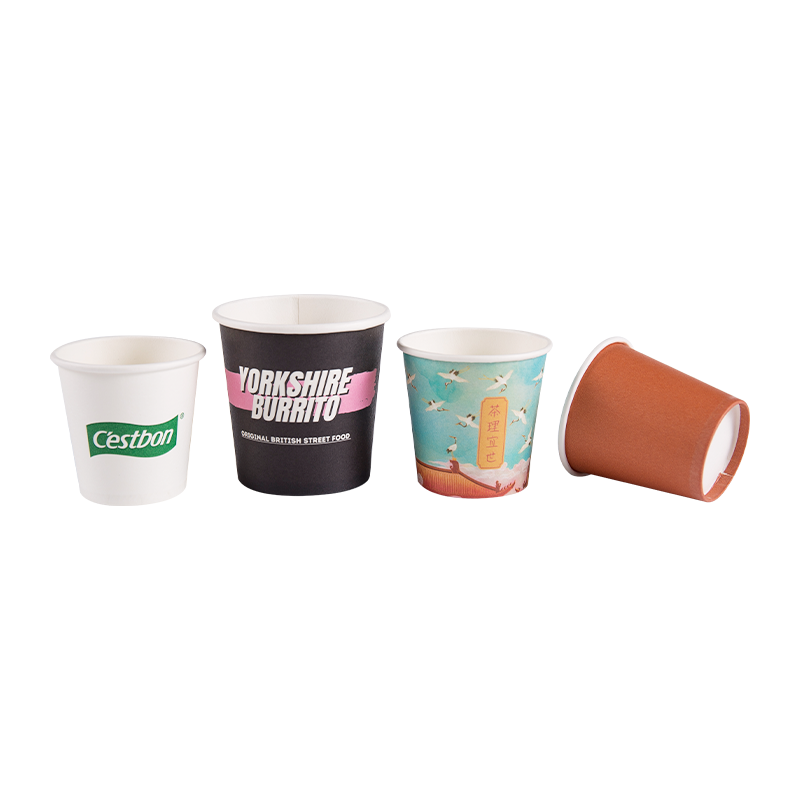
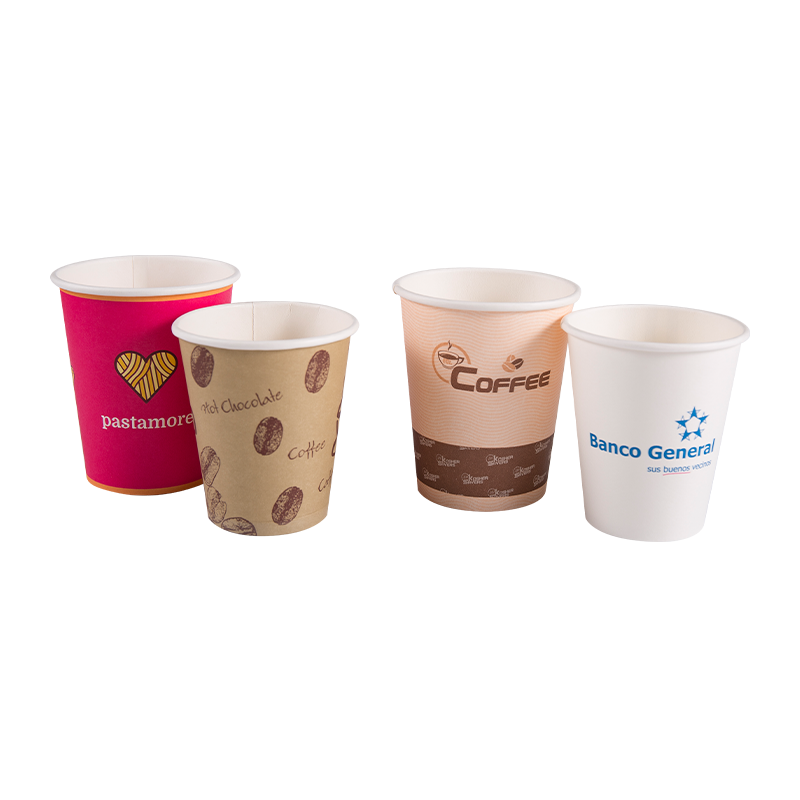
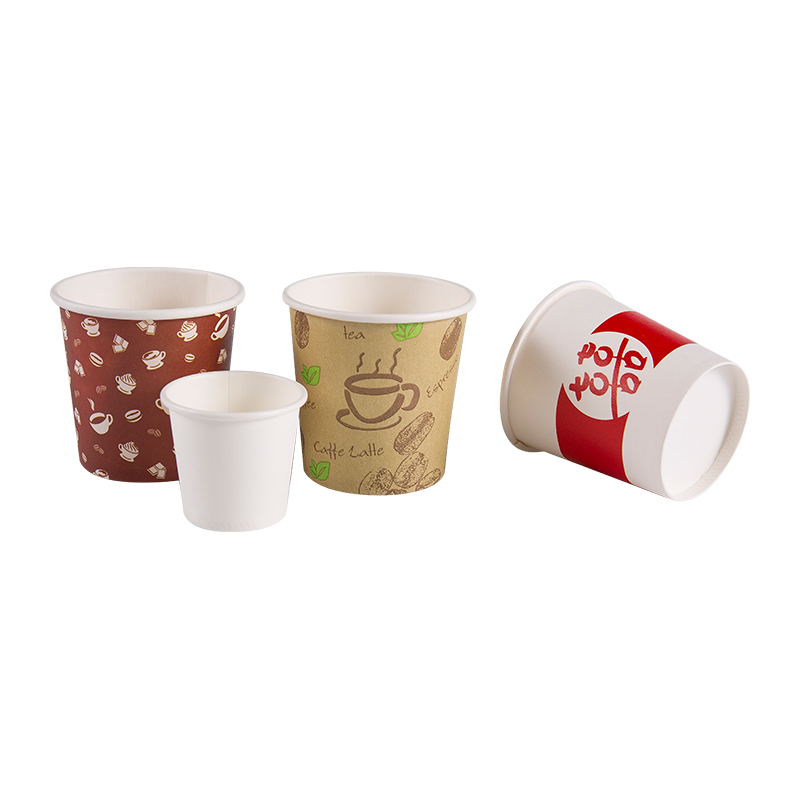
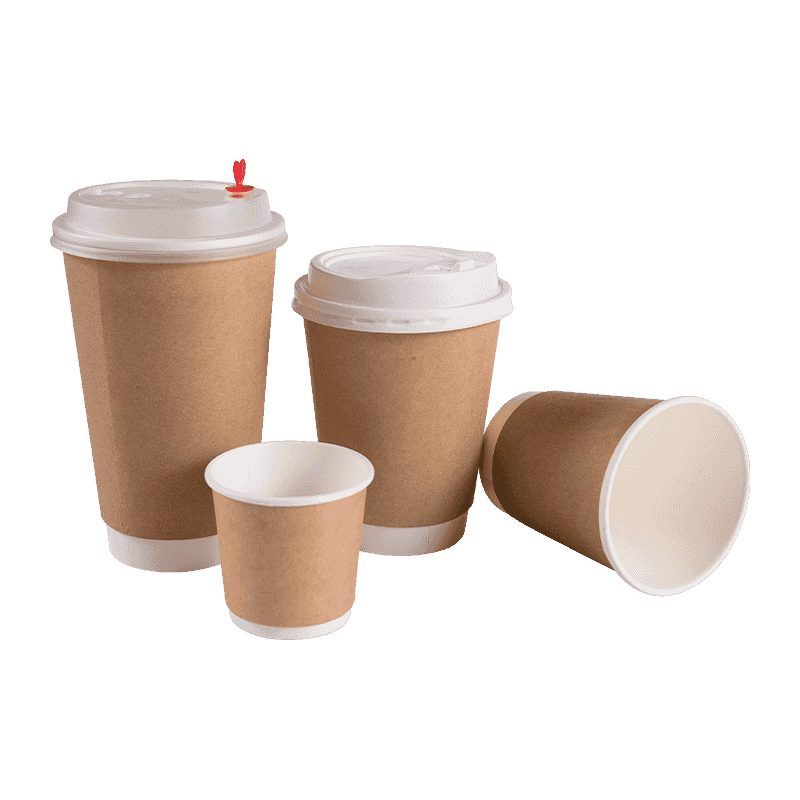
عربىA paper cup size is usually stated in fluid ounces, but the physical dimensions in centimeters determine everything from how the cup fits in a car cup holder to how many can be stacked in a dispenser. Knowing the height and rim diameter of common sizes like a 6 oz paper cup, an 8 oz paper cup, or a 16 oz paper cup helps you choose the right cup for your coffee station, vending machine, or party. The table below converts standard ounce capacities into approximate metric measurements for the most widely used single-wall paper cups.
| Size (oz) | Capacity (ml) | Height (cm) | Top Diameter (cm) | Typical Use |
|---|---|---|---|---|
| 4 oz | 118 | 5.5–6.0 | 5.5–6.0 | Espresso, tasting samples, bathroom cups |
| 6 oz | 177 | 7.0–7.5 | 6.5–7.0 | Small tea, water cooler cups |
| 8 oz | 237 | 8.5–9.0 | 7.5–8.0 | Coffee, hot chocolate, standard office cup |
| 12 oz | 355 | 10.5–11.0 | 8.0–8.5 | Medium takeaway coffee, cold drinks |
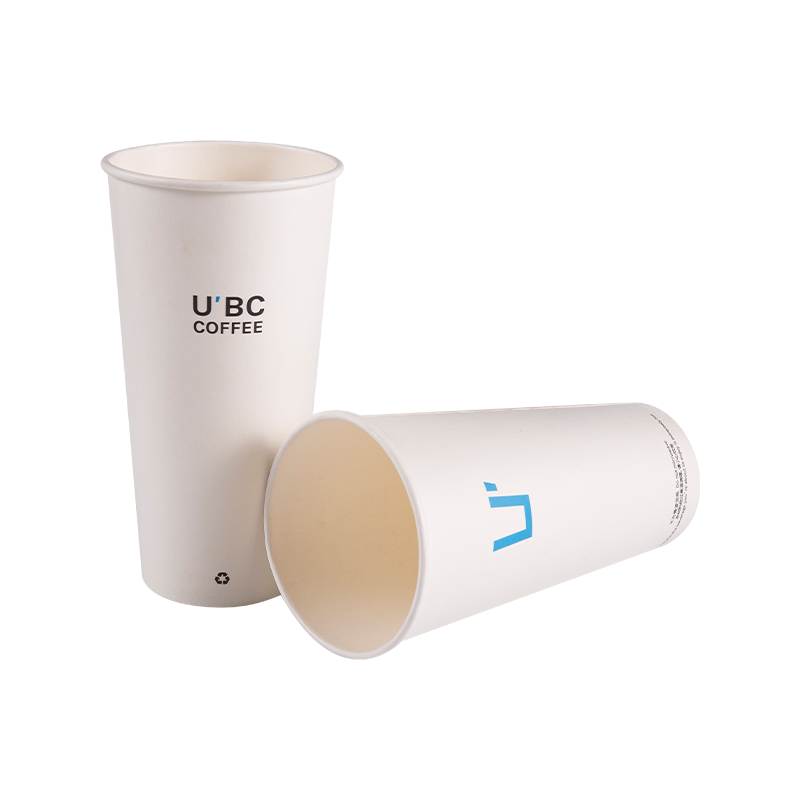
| 16 oz | 473 | 13.0–14.0 | 9.0–9.5 | Large coffee, iced drinks, smoothies |
The paper cup sizes in cm above represent a standard single-wall design. Keep in mind that actual measurements vary slightly by manufacturer. The bottom diameter is always smaller than the top to allow nesting, and the taper angle influences the stack height. When ordering a dispenser or a lid, the top diameter is the critical number — a mismatch of even 2 mm can cause lids to pop off or cups to jam.
Content
Paper Cup Design: Lining, Shape, and Structural Engineering
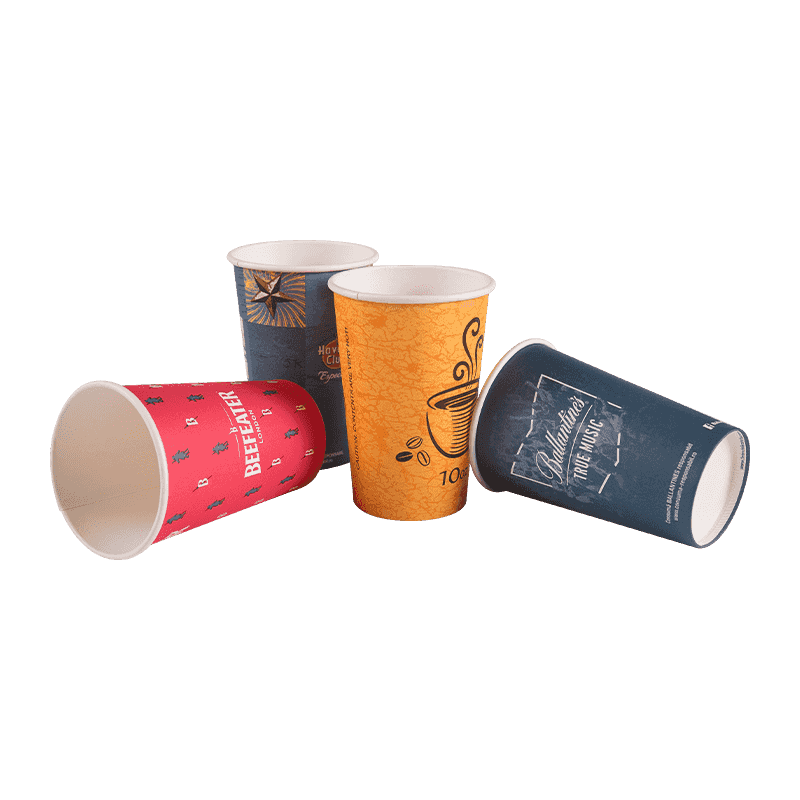
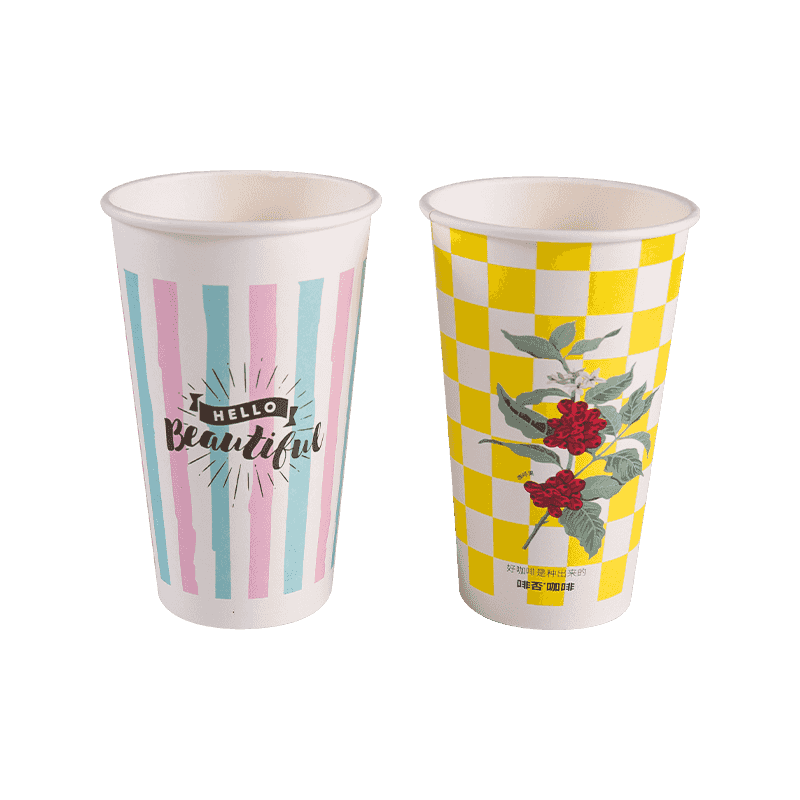
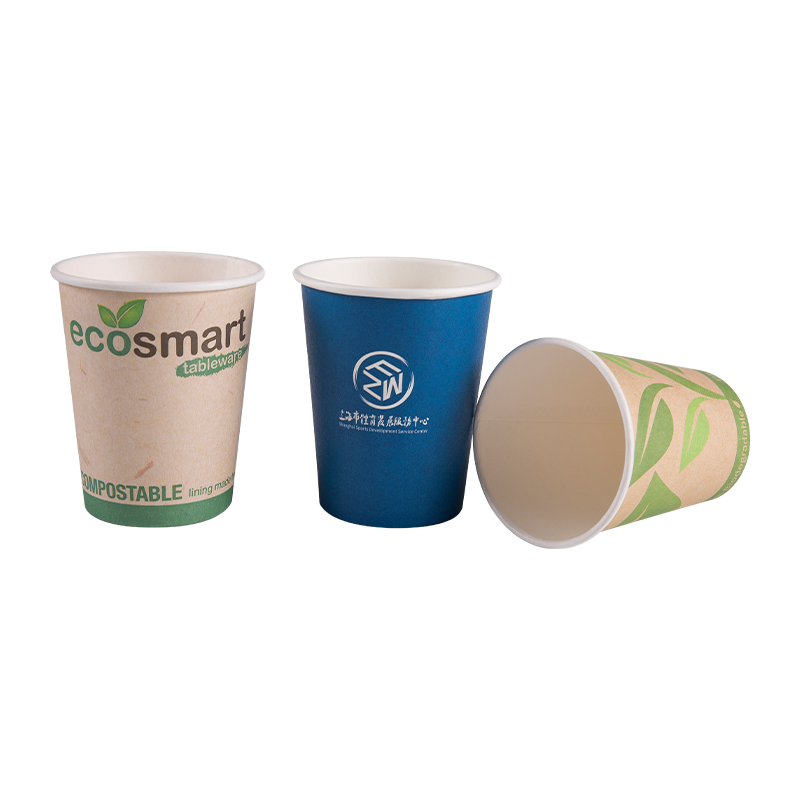
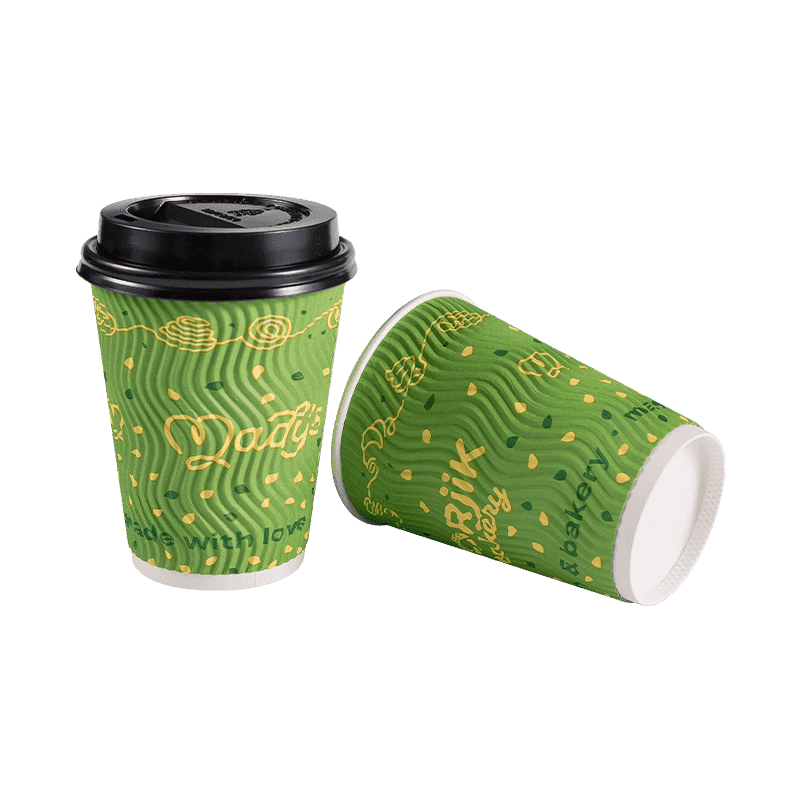
Paper cup design is a balance of material science, fluid containment, and branding. A typical hot cup is made from paperboard coated on the inside with a thin layer of polyethylene (PE). This lining keeps the paper from absorbing liquid and acts as a heat seal at the side seam. The bottom disc is crimped and heat-sealed into the curled base, a construction that has changed little in decades. What has changed is the ability to print full-color graphics that wrap the entire cup surface, turning a disposable item into a walking advertisement. Many of the most recognizable paper cups — from a classic white paper coffee cup to a vibrantly printed seasonal design — share the same underlying structure.
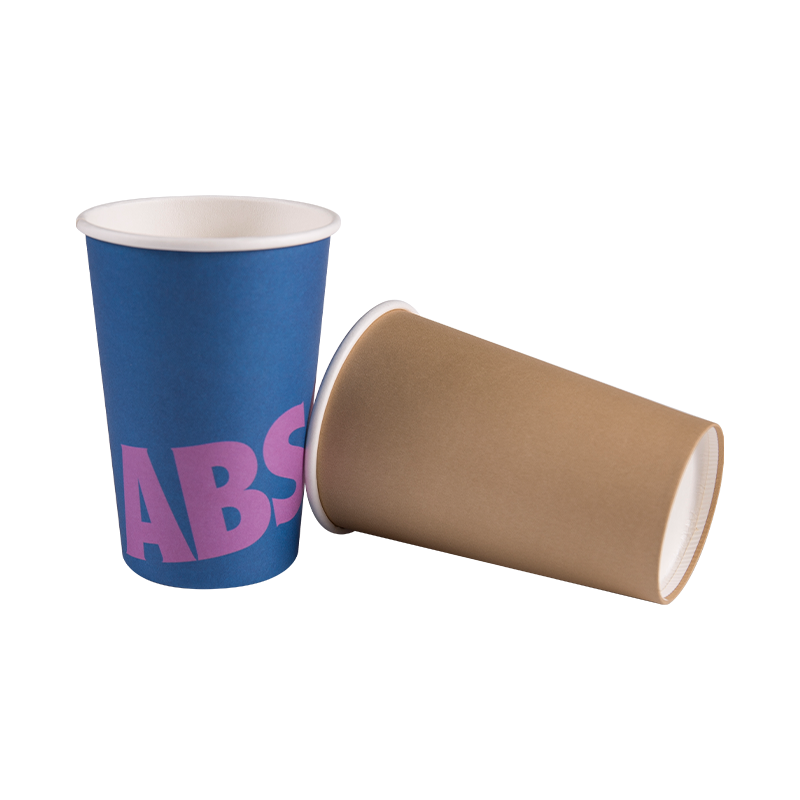
For cold drinks, paper cups for cold drinks use a different lining or a different material altogether. Cold cups often have a PE coating on both sides to prevent condensation from softening the paperboard. Some are made from a heavier board or a poly-coated kraft stock. You can identify a cold cup by its smooth, slightly glossy interior and exterior; a hot cup typically has a matte exterior and a glossy interior. Using a hot cup for an iced drink will cause the paper to buckle outward as the outer ply absorbs atmospheric moisture, while using a cold cup for a hot drink risks a burned hand and a collapsed cup.
Ripple Paper Cups and Insulated Options
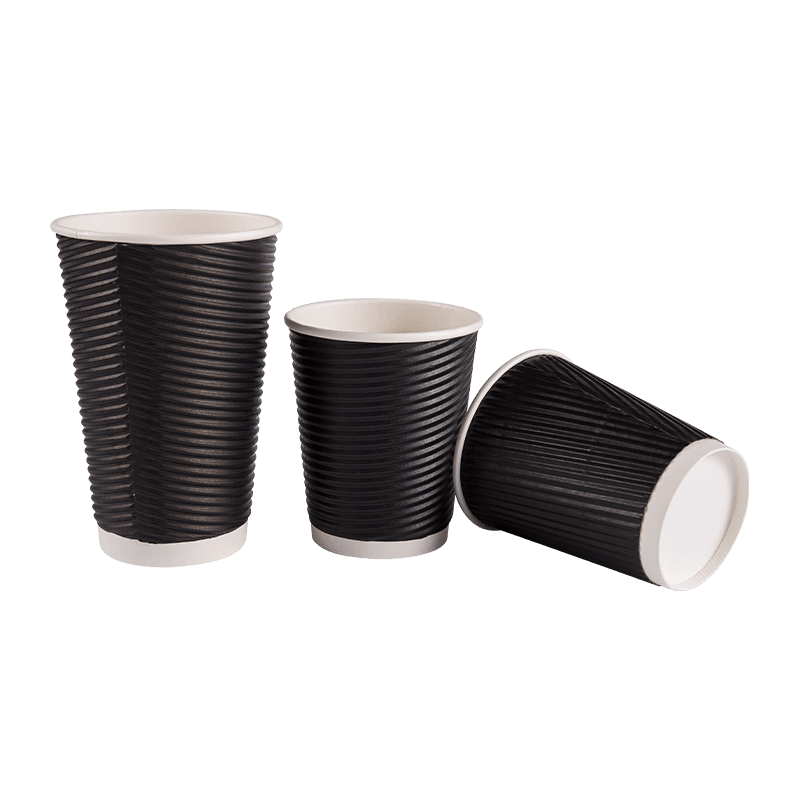
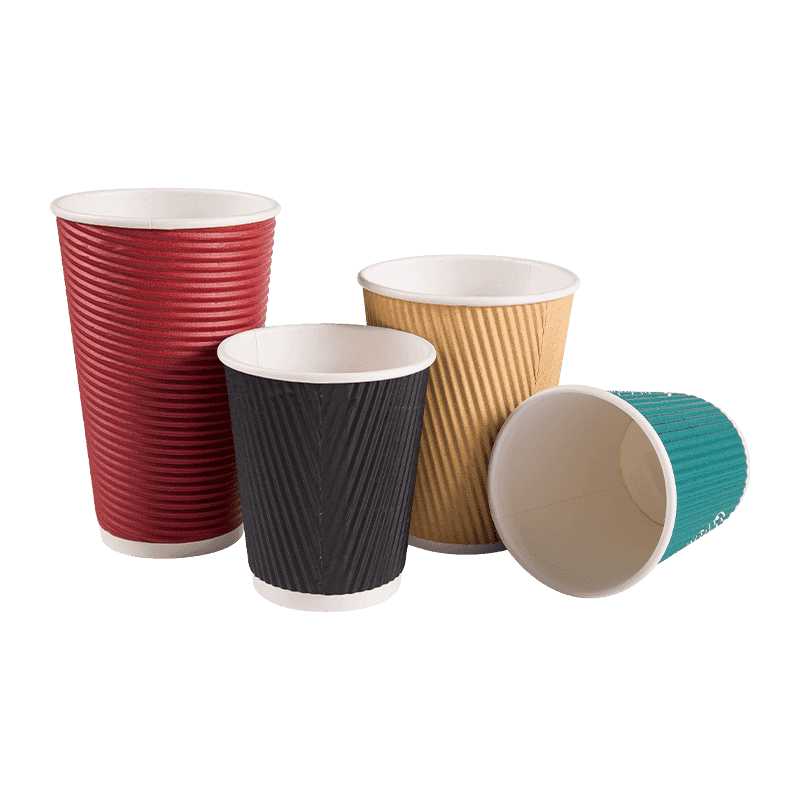
Ripple paper cups are a step up from the standard single-wall design. They have a textured outer layer — a corrugated or embossed paper wrap — that creates an insulating air gap between the inner cup wall and the fingers. This eliminates the need for a separate paper sleeve for cups in many situations. The ripple layer remains cool to the touch even when the cup holds near-boiling liquid, making it popular for specialty coffee shops and high-temperature hot chocolate. The manufacturing process laminates the ripple sheet to the base cup before the bottom is formed, so the insulation is integral rather than an add-on.
Beyond ripple cups, double-wall cups achieve similar insulation with a smooth outer shell separated from the inner shell by an air gap. Triple-wall cups exist for extremes, but ripple cups offer the best balance of cost, insulation, and printability. For businesses, the choice between a single-wall cup with a paper sleeve for cups and a ripple cup depends on volume: a sleeve can be added only when needed, reducing waste for lower-temperature drinks, but adds a step for the barista. A ripple cup is always insulated, simplifying service.
The Iconic 80's Paper Cups — A Design That Defined an Era
Few disposable items are as instantly recognizable as the 80's paper cups known as the Solo Jazz design. Introduced in 1991 but capturing the late-80s aesthetic perfectly, the design featured a sweeping teal and purple brushstroke pattern on a white background. The cup became so iconic that it has since been revived as a retro lifestyle product on everything from T-shirts to ceramic mugs. The design's appeal lies in its abstraction — it suggested motion and energy without depicting anything literal, a perfect embodiment of the era's graphic design sensibility.
The Jazz cup's parent company, Solo, remains one of the most recognizable brand of paper cups in North America. Other major manufacturers include Dixie (part of Georgia-Pacific) and Chinet, each with their own signature designs. The Solo Jazz cup is specifically a wax-coated cold cup, which is why it was often used for fountain drinks rather than coffee. Its legacy is a reminder that even a disposable paper cup can become a design object. Today, paper cup design continues to evolve, with seasonal limited editions and artist collaborations turning the humble cup into a canvas.
Paper Cups for Tea, Hot Chocolate, and Specific Uses
While coffee dominates, paper cups for tea and hot chocolate in paper cup orders present their own requirements. Tea drinkers often want a cup that retains heat longer because tea is sipped slowly. A ripple or double-wall cup is ideal here, as it insulates without a sleeve. For hot chocolate, which is often served with whipped cream and a dusting of cocoa, the cup must be wide enough at the mouth to accommodate a spoon and a mound of topping. An 8 oz or 12 oz squat profile cup with a larger top diameter works better than a tall, narrow cup. Hot chocolate is also served at a slightly lower temperature than coffee, typically around 60–70°C, which reduces the insulation demand but still requires a PE-lined cup designed for hot liquids.
For events and self-serve stations, an 8 oz paper cup is the universal middle ground: large enough for a satisfying drink, small enough to minimize waste. A 6 oz paper cup works well for tasting flights, espresso, and children's drinks. 16 oz paper cups are the go-to for iced coffee, bubble tea, and large sodas; these cups usually require a sturdier construction and a dome lid. Matching the cup to the drink is not just about size — it is about selecting the correct coating, wall thickness, and lid style to guarantee that the cup feels secure in the hand and does not leak or sweat through the sidewall.
Paper Sleeves and Accessories That Complete the Cup
A paper sleeve for cups — often called a coffee sleeve, a zarf, or a cup jacket — is a corrugated strip that slides over the outside of a single-wall cup to provide insulation. The sleeve is a cost-effective solution for coffee shops that want to stock only one cup type and add insulation as needed. Sleeves can be printed with branding or safety messages, turning a functional item into additional marketing space. From a thermal standpoint, a well-fitted corrugated sleeve reduces the outside surface temperature of a cup filled with 90°C liquid from roughly 75°C to 45°C, well within the safe handling range.
Beyond sleeves, accessories like sip-through lids, plug caps, and cup carriers all integrate with the cup's top diameter and rim design. A classic white paper coffee cup with a rolled rim accepts a standard press-fit lid; the same lid does not fit a flat-rim cold cup. When sourcing cups and accessories, it is essential to verify compatibility with a few test fits. The cup, lid, and sleeve work as a system, and a failure at any point results in spills, burns, and unhappy customers.

 +86-0563-8029081
 +86-0563-8029081
 No. 12 Sanxi Road, Xinqiao Development Zone, Jingde Country, Xuancheng City, Anhui Province.