
 English
 Español
 عربى
عربىContent
The Sustainability Showdown: A Deeper Look
The modern conversation around single-use products is dominated by the urgent need for environmental responsibility. As consumers and businesses alike seek to reduce their ecological footprint, the choice between disposable paper tableware and its plastic counterparts has become a focal point. This comparison is not merely about convenience; it encompasses a complex web of factors including raw material sourcing, production energy, product functionality, and end-of-life scenarios. While plastic has long been the default for its durability and low cost, paper alternatives are surging in popularity, propelled by a perception of being "natural" and "biodegradable." However, the true environmental and practical picture is nuanced, requiring a move beyond simplistic labels. This analysis delves into the core aspects of this comparison, evaluating performance, environmental claims, and specific use cases to provide a comprehensive guide for making an informed decision.
Environmental Impact: From Cradle to Grave
Assessing the environmental footprint of any product requires a life-cycle perspective. This means examining the impact from resource extraction and manufacturing to transportation, use, and final disposal. For both paper and plastic tableware, each stage presents different challenges and advantages.
Resource Extraction and Manufacturing
Disposable paper tableware is primarily made from wood pulp, a renewable resource. However, its production is resource-intensive. It requires significant amounts of water and energy for pulping, bleaching, and forming. Furthermore, if the paper is not sourced from sustainably managed forests, it can contribute to deforestation and habitat loss. The production of plastic tableware, typically from petroleum-based polymers like polypropylene or polystyrene, relies on non-renewable fossil fuels. The extraction and refining of these fuels are associated with greenhouse gas emissions and pollution. While the manufacturing of plastic can be highly energy-efficient, it is fundamentally tied to the petrochemical industry. A critical consideration for paper is the compostable paper plates for backyard composting. Not all paper plates are created equal; many are coated with a thin layer of polyethylene plastic to prevent leakage, which renders them non-compostable in home systems. Truly compostable versions use plant-based coatings like PLA (polylactic acid), but these often require industrial composting facilities to break down effectively.
End-of-Life Scenarios
This is perhaps the most critical phase of comparison. The fate of a product after use determines its long-term environmental legacy.
- Landfill: In anaerobic landfill conditions, paper decomposes slowly, releasing methane, a potent greenhouse gas. Plastic persists for centuries, breaking down into microplastics but not truly decomposing.
- Recycling: Paper tableware, especially if soiled with food and grease, is rarely recyclable. Clean paper products have a better recycling rate than plastics, but contamination is a major issue. Plastic tableware faces severe recycling challenges due to low economic value, food contamination, and the complexity of sorting different polymer types. Recycling rates for such plastics are notoriously low globally.
- Litter and Marine Pollution: Plastic is a notorious source of persistent pollution in oceans and waterways, harming wildlife. Paper litter, while unsightly, will eventually break down but can still cause harm during its degradation period.
- Composting: Uncoated or properly coated compostable paper plates for backyard composting offer a beneficial end-of-life path, turning into nutrient-rich soil. Plastic, with rare exceptions for certain compostable polymers, has no place in composting.
Performance and Practicality in Real-World Use
Beyond environmental claims, tableware must perform its primary function effectively. Users need products that hold food securely, maintain integrity, and provide a satisfactory experience.
Durability and Functional Limits
The performance gap between paper and plastic is most evident under specific conditions. A common point of failure for paper products is their resistance to moisture and grease. This is where the inquiry into waterproof disposable paper bowls for soups becomes highly relevant. Standard paper bowls will quickly become soggy and fail when holding hot, liquid-based foods. To counter this, manufacturers apply coatings. Plastic-coated paper bowls offer excellent waterproofing but sacrifice compostability. PLA-coated bowls are better for composting but may have lower heat tolerance. Pure plastic bowls excel in this domain, offering unwavering structural integrity with hot soups and stews. Similarly, the demand for heavy-duty paper plates for barbecues highlights the need for load-bearing capacity. A flimsy plate buckling under a burger, baked beans, and salad is a common frustration. Heavy-duty paper plates are often constructed with multiple plies or reinforced rims to prevent bending and soak-through from greasy foods. While they have improved significantly, the very heaviest, messiest barbecue loads might still be better served by a sturdy plastic plate, which offers superior rigidity and leak resistance without any risk of saturation.
Heat Tolerance and User Safety
Heat tolerance is a major safety and practicality concern. The search for microwave safe disposable paper plates is frequent among consumers looking for quick cleanup. Many paper plates are not microwave safe, as the extreme heat can cause them to dry out, scorch, or even ignite. Those that are safe will typically be labeled as such and are often made with specific, untreated paper or safe coatings. Plastic plates present a more complex picture. While some plastics like polypropylene are microwave safe, others like polystyrene can warp or melt, and potentially leach chemicals into food when heated. A clear understanding of the material is essential. For hot foods served directly, the thermal insulation properties also differ; paper plates can feel hot to the touch, whereas plastic may transfer heat less, but some thin plastics can warp from the food's temperature alone.
The table below summarizes key performance comparisons:
| Feature | Disposable Paper Tableware | Disposable Plastic Tableware |
|---|---|---|
| Leak/Grease Resistance (Uncoated) | Poor. Absorbs liquids and fats quickly. | Excellent. Impervious to moisture and grease. |
| Structural Integrity with Heavy/Wet Foods | Variable; good for heavy-duty paper plates for barbecues, poor for thin plates. | Consistently high. Does not sag or become soggy. |
| Heat Tolerance (Microwave) | Select models only; requires microwave safe disposable paper plates labeling. | Varies by plastic type; some are safe, many are not. |
| Heat Insulation (Touch) | Low; plate can feel hot. | Higher; less heat felt on the outside. |
Cost Analysis and Economic Viability
The initial purchase price is a primary driver for bulk buyers in catering, food service, and for household events. Historically, plastic has held a significant advantage, being extremely cheap to manufacture at scale. However, the cost landscape is shifting. As demand for paper alternatives grows and production scales up, prices are becoming more competitive. Furthermore, rising costs for fossil fuels and potential taxes or fees on single-use plastics are narrowing the gap. When considering cost, it's crucial to adopt a total-cost perspective. For instance, investing in slightly more expensive compostable paper plates for backyard composting can eliminate waste disposal costs if you compost at home, turning waste into a resource. For businesses, consumer preference is increasingly a economic factor; patrons may view the use of paper-based or compostable products favorably, which can enhance brand image and customer loyalty, indirectly affecting the bottom line.
Specialized Applications and Niche Solutions
The market has evolved to offer solutions for very specific needs, moving beyond generic plates and cups.
Catering and Aesthetic Considerations
For events where presentation is key, the generic look of white plastic plates is often undesirable. This is where the search for disposable paper dessert plates with lace edges originates. The paper medium offers far greater versatility for aesthetic customization. It can be easily printed with patterns, embossed with textures, and cut into elegant shapes like lace edges, scallops, or floral motifs. These decorative options are largely unavailable for plastic due to manufacturing constraints. Paper provides a more "premium" and festive feel, suitable for weddings, parties, and catered events where the visual experience is part of the service. The ability to coordinate plate design with a theme is a significant advantage for paper in this niche.
On-the-Go and Child-Friendly Solutions
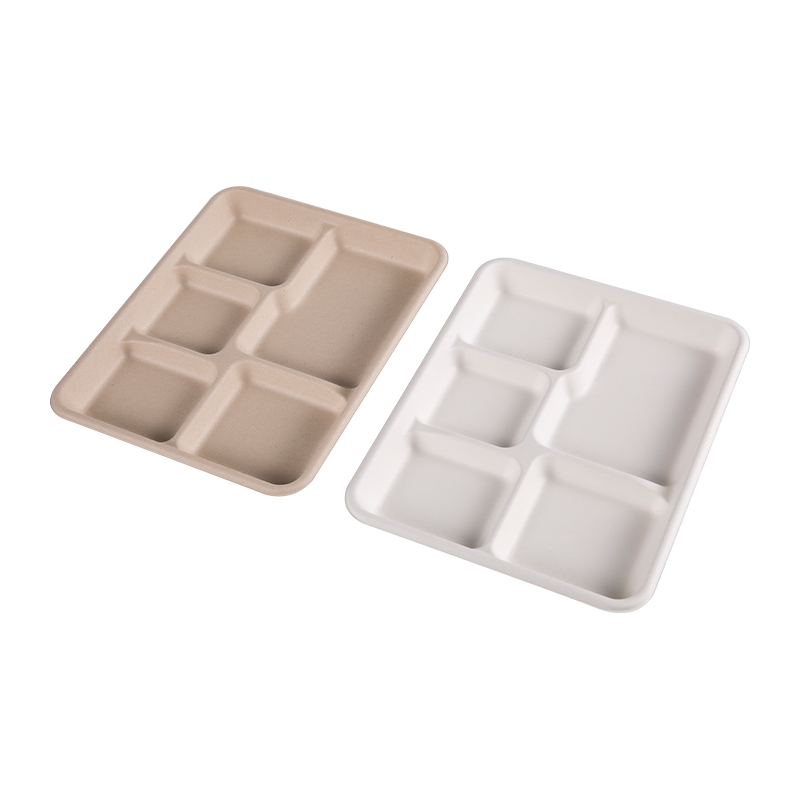
Convenience for mobile consumption is another specialized area. The classic problem of a plate that is not conducive to holding while walking or standing is addressed by designs like disposable paper trays with compartments for kids. These trays, often made from sturdy, coated paperboard, feature divided sections to keep different foods separate—a key feature appreciated by both children and parents. They are lightweight, easy to hold, and eliminate the need for multiple plates. While compartmentalized plastic trays exist, the paper versions often have a better aesthetic for children's parties and are easier to customize with cartoons or colors. Their relative rigidity, when well-designed, is sufficient for typical children's meals, making them a practical and popular choice for birthday parties, school events, and picnics.
Making an Informed Choice: A Balanced Perspective
There is no universal "winner" in the paper versus plastic tableware debate. The optimal choice is highly context-dependent, determined by the specific priorities of the user, the nature of the event, and the available waste management infrastructure.
If the primary goal is to hold hot, liquid-heavy meals like soups or stews with maximum reliability, traditional plastic or specifically designed waterproof disposable paper bowls for soups with functional coatings may be necessary. For a large outdoor barbecue where sturdiness is paramount, investing in true heavy-duty paper plates for barbecues or accepting the use of plastic might be the most practical route to avoid spills and accidents. For everyday home use where convenience includes reheating leftovers, seeking out verified microwave safe disposable paper plates is a sensible compromise.
From an environmental standpoint, if a well-managed industrial composting facility is accessible, choosing certified compostable paper products represents a clear step towards a circular economy. For the home composter, verifying that products are suitable for compostable paper plates for backyard composting is essential to avoid contamination. When aesthetics and theme are central to an event, the vast design potential of paper, exemplified by items like disposable paper dessert plates with lace edges, makes it the superior choice. For practical child-friendly meals on the go, the functionality of disposable paper trays with compartments for kids is hard to beat.
Ultimately, the most sustainable option is to reduce single-use consumption altogether, opting for reusable tableware whenever feasible. When disposables are unavoidable, a mindful selection—prioritizing products that match the functional need, are sourced responsibly, and align with the local waste processing capabilities—can significantly mitigate environmental impact. By moving beyond the paper-versus-plastic soundbite and understanding the nuances of performance, cost, and end-of-life, consumers and businesses can make decisions that are both practical and responsible.

 +86-0563-8029081
 +86-0563-8029081
 No. 12 Sanxi Road, Xinqiao Development Zone, Jingde Country, Xuancheng City, Anhui Province.